Review · MATERUNI & KILIMANJARO WATERFALL TOURS
Marangu waterfall & Coffee making Cultural Tour | BURIGI CHATO SAFARIS CO LTD
Marangu’s appeal is that it gives you more than a waterfall. In one long day, you get coffee, Chagga culture, underground caves, local food, and Kilimanjaro views. The coffee stop is hands-on, and you may roast, grind, and prepare your own cup rather than simply watch a demonstration.
I like the chance to cool off in the waterfall pool, and I like the way the tour connects everyday village life with the Chagga people’s past. The main drawback is the long day from Arusha, plus the fact that a group size of up to 200 people could make the outing feel less personal.
Key points to know before you book
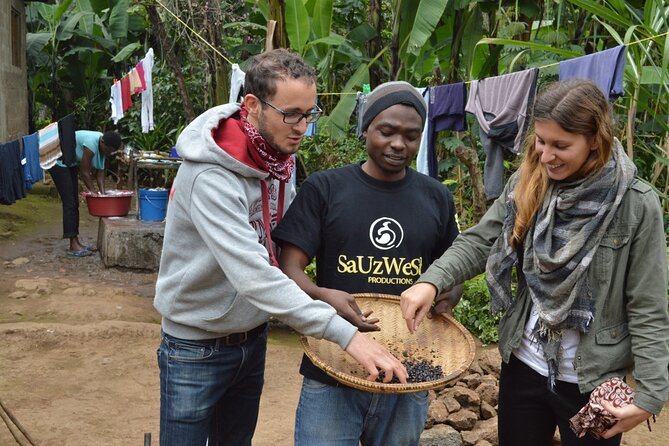
- The coffee visit is practical: You can help process, roast, and prepare the coffee.
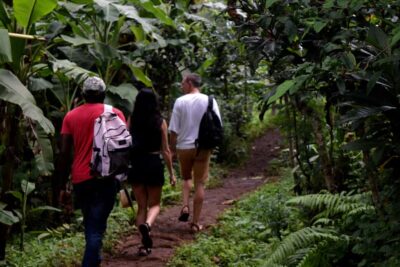
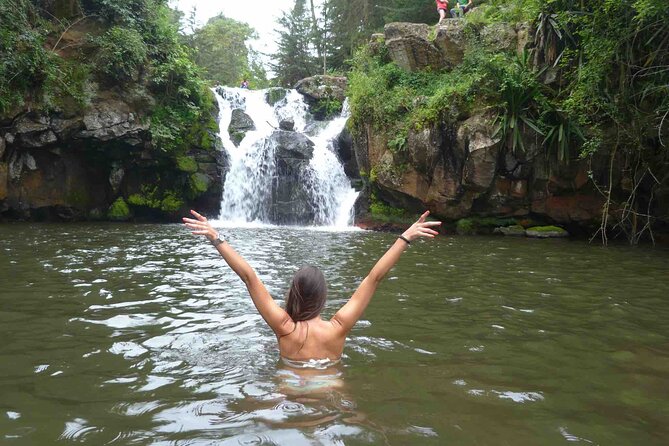
- The waterfall includes a hike: Expect a walk through green, hilly surroundings, with swimming possible in the pool.
- The Chagga caves add historical weight: The underground passages were built as protection during conflict.
- Lunch is part of the price: A traditional hot meal is included, along with local drinks such as banana beer.
- Marangu Gate sits at 1,900 meters: You may get views toward Kilimanjaro, although mountain weather can affect visibility.
- The day costs $150 per person: That is fair if you value a guide, transport arrangements, lunch, entry fees, and several different activities in one outing.
Why Marangu makes a strong cultural day trip
Marangu sits on the lower slopes of Mount Kilimanjaro and is closely associated with the Chagga people. Many visitors come here for the mountain or as a starting point for the Marangu Route, but a day trip lets you look beyond the famous summit.
You will see coffee growing, hear about local traditions, walk through the countryside, visit a waterfall, and enter the Chagga Underground Caves. That mix matters. It gives you a better sense of how people live around Kilimanjaro rather than reducing the area to a backdrop for a mountain photograph.
The tour begins at 8:00 a.m. and lasts about eight hours. It starts and ends in Arusha, with hotel pickup available on request. Because the day includes several stops, you should expect a full schedule rather than a slow village stroll.
The advertised waterfall stop is called Marangu Falls in one part of the program and Ndoro Waterfalls in another. Treat this as a Marangu waterfall excursion, and confirm the exact waterfall and meeting arrangements with the operator before setting out.
More Waterfall and Coffee Plantation Tours in Tanzania
- Materuni Waterfalls, coffee tour & Kikuletwa Hot Springs
★ 5.0 · 643 reviews - Materuni waterfalls coffee tour & Chemka hot springs Day trip
★ 5.0 · 131 reviews - Maasai village visit, Materuni waterfalls & coffee experience
★ 4.5 · 95 reviews
Starting at Marangu Gate at 1,900 meters
The first part of the day takes you to Marangu Gate, the starting point for climbs on Kilimanjaro’s Marangu Route. At about 1,900 meters, it also gives you a change of setting from Arusha and a sense of the mountain’s lower slopes.
This is a useful stop even if you have no plan to climb Kilimanjaro. You can take photographs and get your bearings in the same area used by trekkers beginning their ascent. On clear days, you may see Kilimanjaro, though no mountain view is guaranteed.
The altitude here is not extreme, but you are still moving into hilly country. If you are sensitive to changes in elevation, take the morning at a comfortable pace and carry water. The tour is open to most people, but the waterfall walk and cave visit mean you should be comfortable walking on uneven ground.
Learning coffee from plant to cup
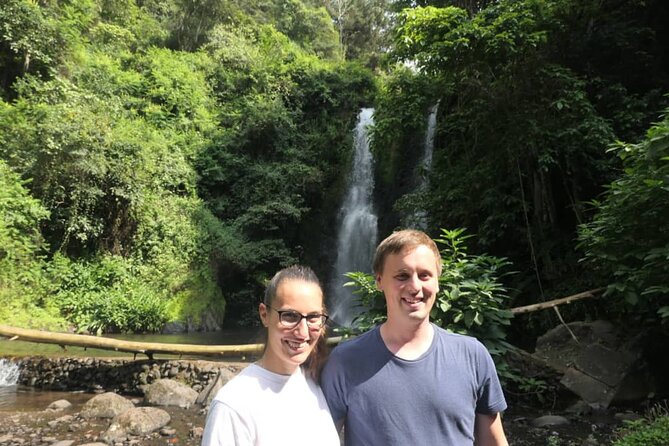
The coffee farm is one of the best parts of the day because it is not just a quick tasting. You learn how coffee is grown, harvested, and processed locally. Then you get to take part in the work.
The exact tasks may vary, but the program includes processing, roasting, and preparing a fresh cup. This makes the stop useful for coffee drinkers who want to understand what happens before beans reach a café. It also gives you a direct connection to one of the crops grown around Kilimanjaro.
I especially like this part for visitors who have already seen several standard farm tours. You are not simply walking past plants while someone gives a short talk. You have the chance to handle the process yourself, then drink the result.
Allow time for a relaxed coffee break, but do not expect a polished coffee-school class. This is a local farm visit within a broader cultural day, so the experience is likely to feel practical and informal. If coffee is your main interest, you may want a dedicated coffee tour. If you want coffee as part of a wider day, this stop gives you good value.
Hiking to the waterfall and deciding about the swim
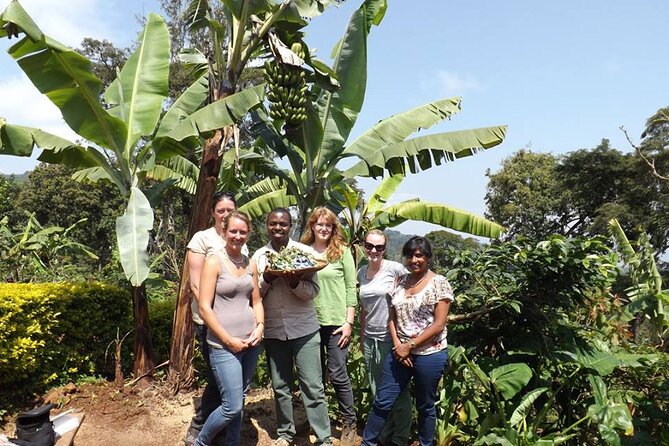
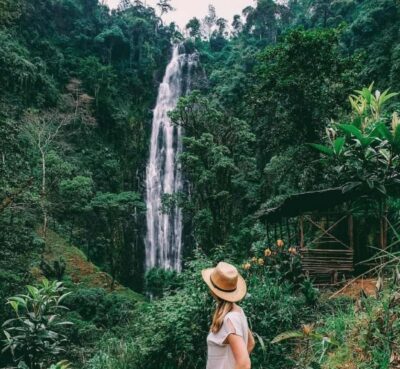
After the coffee stop, the day continues toward the waterfall. The walk takes you through lush greenery and hilly surroundings. The setting is part of the attraction: you are moving through the foothills rather than driving straight to a viewpoint.
The route is described as a hike, and the walk to the falls has been praised for its views over the village and toward Moshi. You may also see Kilimanjaro from the area if the weather is clear. The height and position of the waterfall are described favorably, but the material does not give a precise waterfall height or trail length, so do not plan around a specific distance.
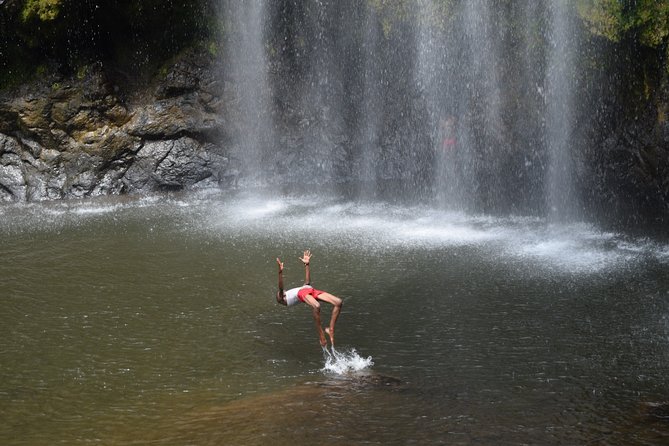
The pool is available for swimming. The water can be very cold, and you may decide that a quick paddle is enough. Bring swimwear if you want the option, along with a towel and a dry change of clothes. Those items are not listed as included.
Use care near the edge and at the top of the falls. Water and rock can make footing slippery, and the drop is not a place for casual climbing or photographs. Follow the guide’s instructions rather than seeking a better camera angle.
The waterfall is a strong part of the day, but it is not a private wilderness outing. The maximum group size is listed as 200 people, which is unusually large for a walking and cultural tour. Your actual group may be smaller, but it is worth asking before booking if you want quiet trails or more direct time with the guide.
More Materuni and Kilimanjaro Waterfall Tours in Arusha:
- Materuni Waterfalls & Chemka Hotsprings Day Trip
★ 5.0 · 214 reviews - Materuni Waterfalls & Coffee Tour from Moshi
★ 5.0 · 92 reviews - Arusha: Materuni Waterfalls, Coffee, and Hotsprings Tour
★ 4.8 · 78 reviews - Materuni Waterfalls, Visiting Chagga Village, CoffeeTour Kikuletwa Hotsprings
★ 5.0 · 63 reviews
Entering the Chagga Underground Caves
The cave visit gives the tour its most serious historical subject. The Chagga built underground caves as places of refuge during conflict. The program explains that Maasai groups moved up the lower slopes during drought and that violence, enslavement, and attacks shaped the need for defenses.
This history should be treated with care. The caves are not simply a curious tunnel system or a fun photo stop. They show how local communities adapted to danger, food shortages, and competition over land and water.
Your guide explains the story while you move through the caves. That live explanation is important because the passages alone cannot tell you why they were built or how they were used. The quality of this stop will depend heavily on the guide’s storytelling and your ability to ask questions.
Wear shoes with a firm sole. The tour information does not describe the cave surface, lighting, or exact length, so practical footwear is the safe choice. If enclosed spaces make you uncomfortable, ask about the visit before entering.
Seeing daily life at the Chagga Live Museum
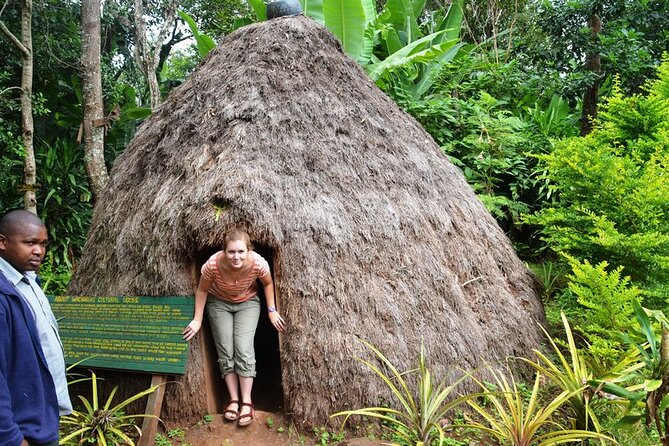
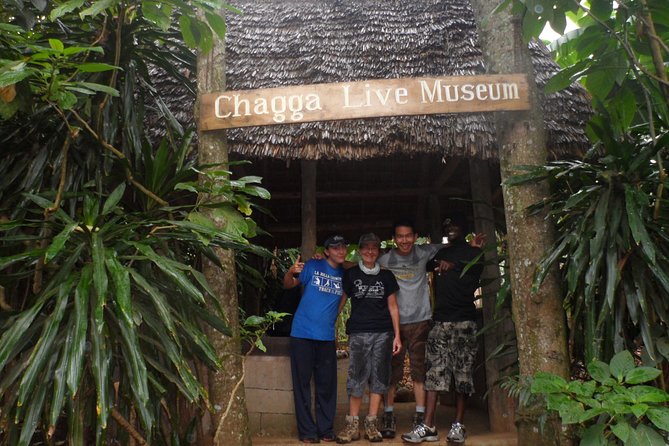
The Chagga Live Museum is a small outdoor museum focused on traditional Chagga life. It follows the cave visit well, shifting the focus from defense and conflict to homes, food, customs, and ordinary routines.
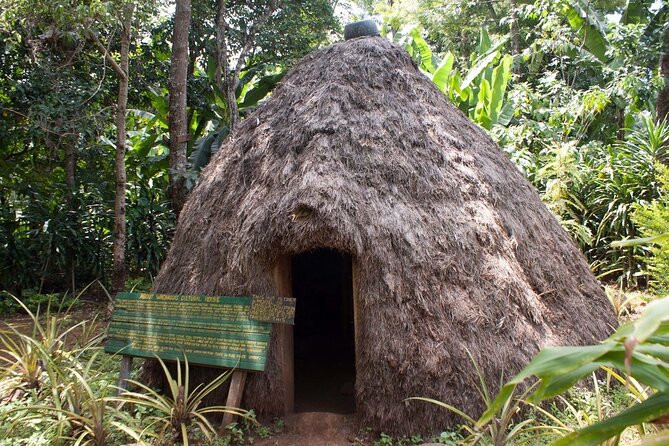
You may see traditional houses with straw roofing and learn about the plants used around village plots. One particularly interesting detail from the experience is the use of certain plants to mark boundaries between pieces of land. That small point says a lot about how local knowledge is tied to farming and property.
The museum is not a large institution with a long gallery of displays. Its value comes from the guide and the people who explain how objects and buildings were used. Go with questions. Ask about homes, farming, coffee, food, and the role of banana beer in local life.
The word traditional can sometimes make a visit sound frozen in time. Chagga communities are not a museum exhibit, and this stop is best approached as an introduction to older practices and cultural ideas, not as a complete picture of modern life.
Eating a Chagga meal and trying banana beer
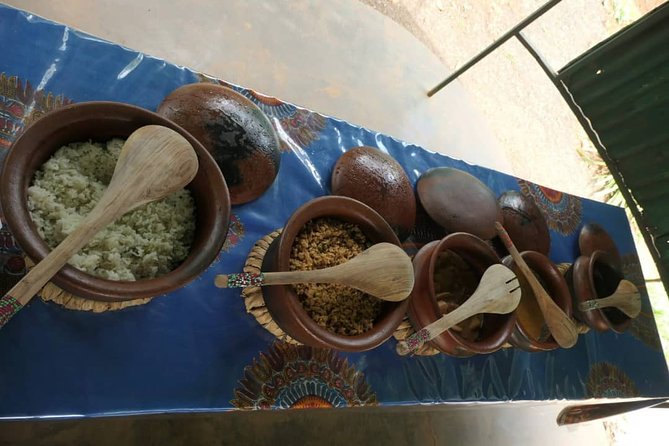
Lunch is included, and the tour describes it as a traditional hot meal at a small restaurant or with a local family. The setting may vary, so do not assume that every booking includes the exact same dining arrangement.
The food is part of the cultural value here. You are not only stopping for fuel between activities. You have a chance to taste local cooking and, in some arrangements, share a meal in a family home. The food has been described as generous and delicious, but tastes and menus can change from day to day.
Banana beer may also be offered, along with other local spirits. This is a chance to try a drink connected with the area, but you never need to drink alcohol to take part in the meal. If you do sample it, go slowly. The tour includes a lot of walking and a drive back to Arusha.
The lunch is one reason the $150 price can make sense. You are paying for a full day with several cultural stops, not only access to a waterfall. Still, keep your expectations practical. This is local dining, not a restaurant tasting menu.
What the $150 price really covers
At $150 per person, the tour sits in the midrange for a full-day excursion from Arusha. The value depends on how much of the included package you would otherwise need to arrange separately.
The price includes lunch, all listed fees and taxes, crew wages, and a first aid kit. Hotel pickup is available on request, which may add useful convenience depending on where you are staying. The price does not include flights, visas, tips, additional park fees, or hotel costs.
You are getting several distinct experiences in one day:
- A visit connected with the Marangu Route
- A coffee farm activity
- A waterfall hike
- Possible swimming
- Chagga caves
- A cultural museum
- A local meal
- A chance to try banana beer
That is a good bundle for someone with limited time in northern Tanzania. The weak point is group size. If the outing runs close to its stated maximum of 200 people, the price may feel less attractive because personal guiding time and quiet at the cultural sites could be limited.
Ask before booking how transport is organized, how many people are in your departure group, and which fees are included for your exact date. The provider information names Burigi Chato Safaris in the tour title and Tanzania Serengeti Safaris in the experience details, so confirm the operating company and pickup contact as well.
Who will enjoy this day most
I would recommend this tour to you if you want a broad introduction to the Kilimanjaro foothills but do not have time for a multi-day climb. It suits people who enjoy mixing nature, food, history, and light adventure.
It is also a good fit for coffee drinkers, families with older children, and anyone interested in Chagga culture. Most people can participate, but the hike and cave visit may be harder for anyone with limited mobility. The information does not provide a detailed accessibility assessment, so ask about trail surfaces and cave access if those details matter to you.
You may want another option if your priority is a small private group, a serious coffee education, or a long waterfall hike with plenty of time for swimming. This day tries to cover many subjects, and that means no single stop receives the full attention of a specialist tour.
The 8:00 a.m. start is sensible. An early departure gives you time for the drive, several stops, lunch, and the return to Arusha. Keep the rest of your evening light because the day is scheduled for about eight hours.
Practical details that can improve the day
Wear shoes suitable for a hike, not city sandals. Bring water, sun protection, swimwear if you want to enter the pool, and a dry change of clothes.
Carry a small amount of cash for personal purchases or tips. Tips are not included, and any extra drinks or costs outside the listed program are your responsibility.
Ask your guide to slow down at the caves and museum if the history interests you. The cave story is one of the most distinctive parts of the tour, while the coffee activity gives you the most hands-on participation.
Mountain weather can change the views. Do not judge the day solely by whether Kilimanjaro appears. The waterfall, farm, caves, meal, and Chagga cultural stops remain worthwhile even when clouds cover the mountain.
Free cancellation is available if you cancel at least 24 hours before the start time. Cancellations or changes made inside that window are not refunded or accepted.
Should you book the Marangu waterfall and coffee tour?
Book it if you want one full day that combines a waterfall, a working coffee farm, Chagga history, local food, and a possible Kilimanjaro view. The hands-on coffee stop and the caves give it more substance than a simple sightseeing drive.
Think twice if you dislike long days, large groups, cold swimming water, or uneven walking. I would also confirm the exact waterfall, group size, pickup plan, and operating company before paying.
For a first look at Marangu, this is a useful and varied choice. It gives you a taste of the region’s nature and culture without asking you to commit to a Kilimanjaro trek.
FAQ
Where does the Marangu waterfall and coffee tour begin?
The tour begins in Arusha, Tanzania, at 8:00 a.m. It ends back at the meeting point in Arusha.
Is hotel pickup available?
Yes. Hotel pickup is available on request. Confirm the pickup details with the operator when booking.
How long does the tour last?
The tour lasts approximately eight hours.
Is lunch included?
Yes. A traditional hot meal is included in the tour price.
Can I swim at the waterfall?
Yes. Swimming in the waterfall pool is listed as an activity. The water can be very cold, so bring swimwear and a towel if you want to try it.
What does the coffee farm visit include?
You learn how coffee is grown, harvested, and processed. You also have the chance to help process and roast the coffee and prepare a fresh cup.
What is the cancellation policy?
You can receive a full refund if you cancel at least 24 hours before the experience start time. Cancellations or changes made less than 24 hours before the start time are not refunded or accepted.
More Waterfall and Coffee Plantation Tours in Arusha
- Materuni waterfalls,coffee tour & Kikuletwa(Chemka)Hot Springs
★ 5.0 · 49 reviews - From Arusha: Coffee Farm and Mangalia Waterfalls Tour
★ 4.9 · 48 reviews - 6 Days Serengeti Safari(hiking waterfalls &coffee tour)
★ 5.0 · 48 reviews - Hidden Arusha Waterfall, Coffee & Village Tour (All-Inclusive)
★ 5.0 · 42 reviews
Newest waterfall trips we have reviewed in Arusha
- Napuru Waterfalls★ 4.5 · 6 reviews
- Materuni Waterfalls and Coffee Tour★ 5.0 · 9 reviews
- Waterfall & Coffee Walking Tour★ 5.0 · 6 reviews
- Materuni Waterfalls & Coffee Tour from Moshi★ 5.0 · 92 reviews
- Materuni Waterfall Coffee Tour and Chemka Hot Springs Experience★ 5.0 · 15 reviews
- Private Tour to Marangu Waterfalls, Chagga Caves, Coffee tour & Hot Springs★ 5.0 · 7 reviews
- Private Full-Day Materuni Waterfalls and Kikuletwa Hotspring★ 5.0 · 10 reviews
- Materuni Waterfalls & Coffee making Cultural Tour | BURIGI CHATO SAFARIS LTD★ 5.0 · 15 reviews
Materuni & Kilimanjaro Waterfall Tours, compared.
Materuni Waterfalls, coffee tour & Kikuletwa Hot Springs
Read our review →
Materuni Waterfalls & Chemka Hotsprings Day Trip
Read our review →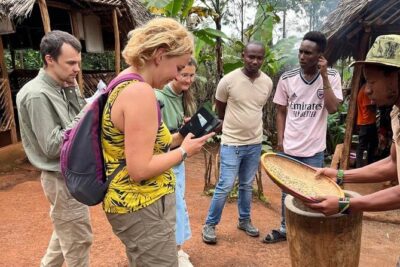
Materuni waterfalls coffee tour & Chemka hot springs Day trip
Read our review →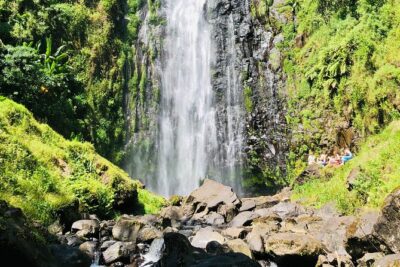
Materuni Waterfall, Coffee Tour and Picnic Hot Lunch
Read our review →
Maasai village visit, Materuni waterfalls & coffee experience
Read our review →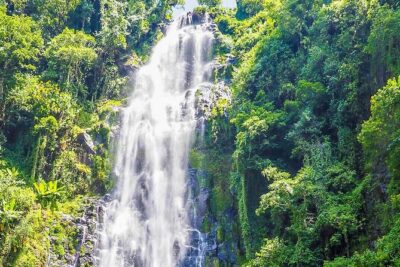
Materuni Waterfalls, Coffee, and Hotsprings Tour
Read our review →