
Review · ARUSHA WATERFALL TOURS
6 Days Serengeti Safari(hiking waterfalls &coffee tour)
The biggest appeal here is the range. You get two days in the Serengeti, a crater game drive at Ngorongoro, elephant country in Tarangire, and a final day of village walking at Materuni Waterfalls. Guides such as David, Godfrey, Calvin, Lewis, and Malisa have been singled out for sharp animal spotting, calm driving, and a good sense of timing.
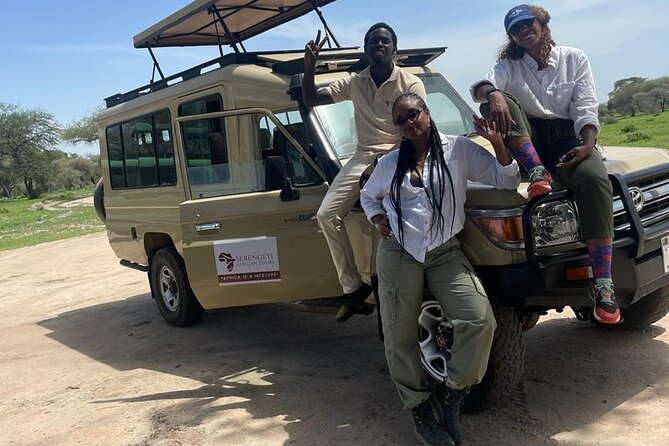
I like the small-group format, with a custom jeep, pop-up roof, driver-guide, and cook. I also like the value: $1,250 covers park fees, camping gear, meals, and transport across several major parks. The tradeoff is a lot of road time, basic camping, and some itinerary wording that is not perfectly clear about whether the group maximum is six or seven.
Key points to know before booking
- Two Serengeti days: More useful than a quick one-day visit, especially if you hope to see predators or the migration.
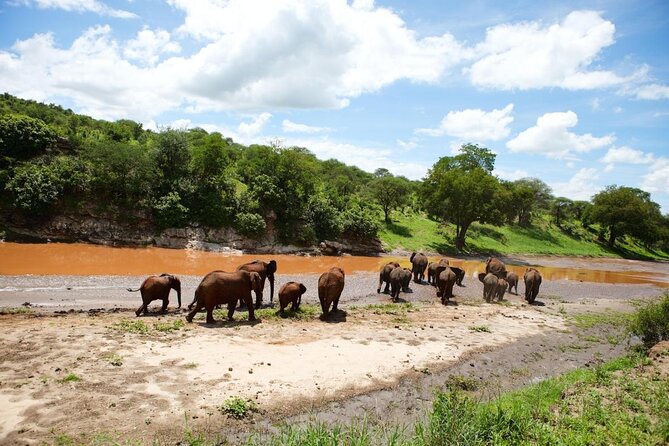
- Tarangire for elephants: Herds can reach about 300 animals, with baobabs, giraffes, buffaloes, and hundreds of bird species.
- Ngorongoro at dawn: The 6:15 a.m. crater descent gives you the best part of the day on the crater floor.
- A genuine change of pace: Materuni adds a 40-minute village walk, an 80-meter waterfall, Chagga culture, and coffee.
- Camping with a cook: Sleeping bags, mattresses, tents, and four dinners are included, but this is not a lodge-based safari.
- Good value, with long drives: Park access and meals are covered, but several days involve roughly six hours of driving.
A north Tanzania safari with a worthwhile final twist
Many safari itineraries finish when the jeep returns to Arusha. This one keeps going. After five days of wildlife watching, you spend a sixth day walking through Materuni village, visiting a waterfall, and learning about coffee grown by the Chagga people.
That change matters. Safari days can become a rhythm of jolting roads, packed lunches, and long periods of watching from the vehicle. Materuni lets you use your legs, meet village life at a slower pace, and see a side of Tanzania that a park-only itinerary misses.
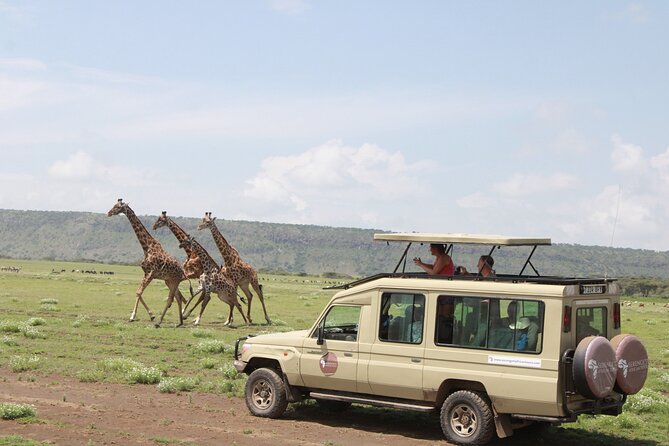
The wildlife route is the main event, though. Tarangire, Serengeti, Ngorongoro, and Lake Manyara give you a strong sample of northern Tanzania. You may see elephants, lions, buffaloes, giraffes, wildebeest, zebras, hippos, monkeys, birds, and, with luck, cheetahs or black rhinos. The Big Five are possible, but no responsible safari can promise every sighting.
More Waterfall and Coffee Plantation Tours in Tanzania
- Materuni Waterfalls, coffee tour & Kikuletwa Hot Springs
★ 5.0 · 643 reviews - Materuni waterfalls coffee tour & Chemka hot springs Day trip
★ 5.0 · 131 reviews - Materuni Waterfall, Coffee Tour and Picnic Hot Lunch
★ 5.0 · 128 reviews
What $1,250 buys you
At $1,250 per person, this is priced as a camping safari rather than a luxury lodge trip. The package includes the safari jeep, park fees, meals during the safari, a sleeping bag, mattress, and tent. Breakfast is included on five mornings, lunch on six days, and dinner on four nights.
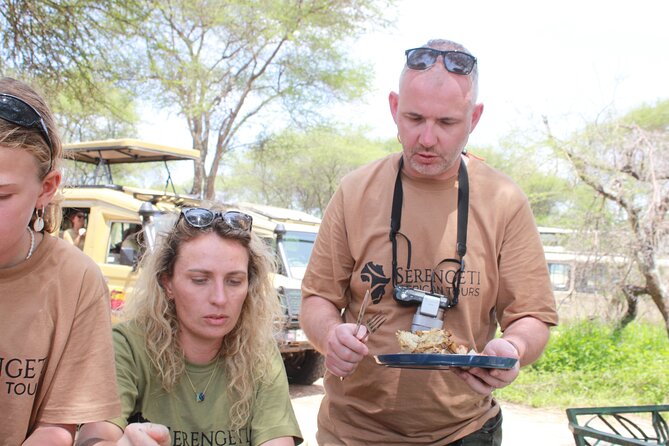
That list gives you a useful clue about the rhythm. You are not paying extra each evening for restaurant meals or park entry. A cook travels with the group, and food is prepared along the route. Several people have specifically praised the cooking, with Matthew mentioned for good meals throughout the trip. Others found the food simply good rather than outstanding, so set your expectations at solid safari cooking, not fine dining.
The price is strongest if you want the major northern parks without arranging transport, permits, camping equipment, and meals yourself. It is less attractive if you want private rooms, air conditioning, or a slow schedule. Camping also means you should be comfortable with early starts and basic facilities.
The group size needs a quick clarification. The tour is described as having a maximum of six clients in the jeep, while the additional information gives a maximum of seven total participants. Ask for the exact vehicle capacity before paying, especially if you are booking as a couple and care about window or roof space.
Day 1: Tarangire’s elephants and baobabs
Your safari begins with a morning drive to Tarangire National Park. The park covers about 2,600 square kilometers, roughly the size of Luxembourg, and its mix of open grassland, seasonal swamps, and giant baobabs gives it a different feel from the Serengeti.
The main prize is elephants. Tarangire is known for large herds, sometimes numbering around 300 animals. A pop-up roof gives you a high, open view for photographs and animal watching, while your driver-guide handles the rough tracks and looks for movement in the brush.
You might also see Masai giraffes, buffaloes, hartebeest, eland, fringe-eared oryx, gerenuk, and a long list of birds. The gerenuk is especially unusual, with a long neck and the habit of standing upright to reach leaves. Bird lovers should pay attention here, since more than 550 species are recorded in the park.
After the game drive, you sleep at a Tarangire campsite. The first day is listed at about six hours, but the total can feel longer once pickup, park entry, stops, and the game drive are included. I would treat this as an active opening day, not a gentle introduction.
Day 2: Crossing toward the Serengeti
After breakfast, you drive from Mto wa Mbu toward the Serengeti, with about six hours on the road including stops. The route passes through the Ngorongoro area, and there is a short stop at the gate and viewpoint for a look across the crater.
This is a transit day, so you should not expect hours of game driving. The crater viewpoint is a valuable pause because it gives you a sense of the huge volcanic bowl before you later descend into it. Bring water, a camera, and patience. Long drives are part of the cost of reaching the Serengeti by road.
A Maasai village visit may be offered along the way, usually lasting 20 to 45 minutes. It is optional and not included in the price. If you choose it, you can learn about Maasai culture and village life. If you skip it, you get more rest during an already long transfer.
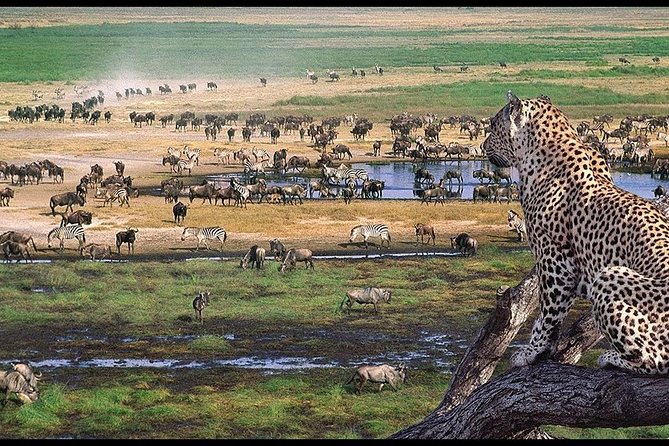
You then continue into the Serengeti. The park is famous for the annual movement of more than a million wildebeest alongside roughly 250,000 zebras, but the animals are not guaranteed to be in one place when you arrive. The timing and location of the migration change, so think of it as a possibility, not a promised show.
More Waterfall Hikes in Tanzania
- Arusha: Napuru Waterfalls Guided Hike
★ 4.8 · 39 reviews - Day trip Hiking to Uluguru Mountains-Choma Waterfalls
★ 5.0 · 19 reviews - Materuni Waterfall Hike + Coffee tour and chemka Hot Spring
★ 5.0 · 14 reviews
Day 3: A full morning in the Serengeti
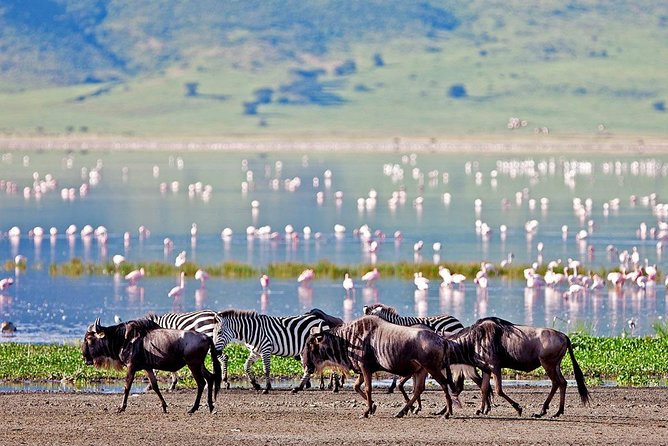
Day three is one of the strongest parts of the plan. After an early breakfast, you take an early game drive around Seronera. Morning is a sensible time to be out because the air is cooler and many animals are active before the heat builds.
You return to camp around midday for lunch and packing, then continue with a game drive as you leave the Serengeti. The route toward Simba Campsite near the Ngorongoro rim takes about two hours, and animals can sometimes be seen near the campsite as well.
Two Serengeti days are far better than rushing through in one. You have more time to search different areas and more chances to find animals that are not sitting beside the road. Several guides, including David, Godfrey, Simon, and Hachiem, have been praised for reading the parks well and adjusting the search when conditions change.
The practical catch is that your second Serengeti day is also an exit day. You will spend part of it packing and driving away from the park, so the itinerary does not provide two complete, uninterrupted days inside the Serengeti.
Day 4: Ngorongoro Crater at 6:15 a.m.
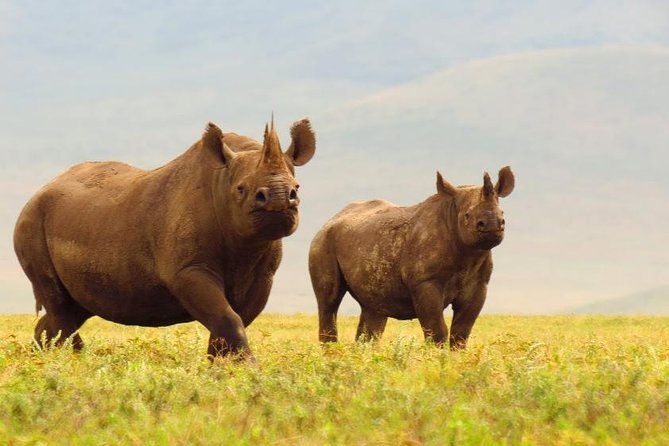
You descend into Ngorongoro Crater at about 6:15 a.m. This early start is worth protecting. The crater floor is compact enough that animal watching can feel more concentrated than in the wide-open Serengeti, and many species are easier to spot in the enclosed setting.
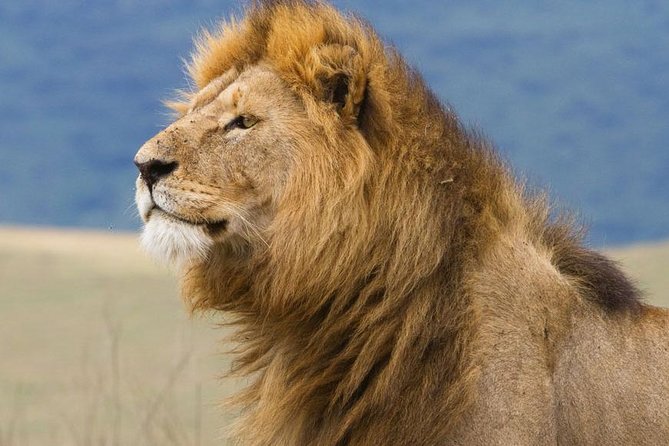
The main target is the black rhino, one of the hardest animals to find. You may also see buffaloes, wildebeest, lions, zebras, and other wildlife, but the crater is not a zoo. Your guide still needs luck, patience, and good eyes.
After lunch and more game driving, you climb out of the crater and head toward Fig Lodge and Campsite near Lake Manyara. This is another day listed at roughly six hours, with an early start and a later transfer. The contrast is striking: a dawn crater drive followed by packing and more road travel.
Ngorongoro is likely to be the visual highlight for many people. The steep crater walls, open floor, and high viewpoint create a dramatic setting. The downside is that the crater can feel busy, and the schedule leaves limited time to linger at viewpoints or rest at camp.
Day 5: Lake Manyara’s birds, hippos, and possible tree-climbing lions
After breakfast, you enter Lake Manyara National Park. The park is known for its birdlife, flamingoes on the lake, and tree-climbing lions. The lions are famous but rarely seen, so do not judge the day by that one sighting.
The game drive also includes a visit to the hippo pool, where you can look closely at hippos, and a stop at a hot spring. Buffaloes, wildebeest, warthogs, vultures, eagles, and monkeys are among the animals you might see.
Lake Manyara is a good final wildlife day because it adds water, forest, birds, and primates to the open grassland and crater scenery you have already seen. You get lunch, but dinner is not listed for this day, so confirm where the evening ends and what is arranged after the park visit.
The park can feel like a lighter finish than the Serengeti or Ngorongoro. That is not a fault. It gives you a different habitat and a useful chance to focus on smaller creatures and birds after several days of searching for large mammals.
Day 6: Materuni Waterfalls and Chagga coffee
The final day begins with a pickup and drive to Materuni village. The village is home to the Chagga people and lies about 15 kilometers from Moshi, near the route toward Kilimanjaro National Park.
The walk to the waterfall takes about 40 minutes. Your guide explains Chagga culture, village life, plants, and animals along the way. The waterfall is more than 80 meters high, and you can enjoy a refreshing dip if conditions and your comfort allow.
On a clear day, you might see the summit of Kilimanjaro. The view is not guaranteed, but the walk still gives you a welcome break from the jeep. The day is listed at about four hours, so it is much shorter and less tiring than the safari days.
The coffee part is particularly useful for anyone who wants local contact rather than only scenery. You can see how coffee fits into Chagga life and production. Exact coffee activities are not spelled out in the information provided, so ask what the visit includes when you book.
Guides, cooks, and the feel of the vehicle
The driver-guide will shape your trip more than any brochure description. David has been praised for animal spotting and a warm spirit, while Godfrey, Calvin, Lewis, Malisa, Simon, Hachiem, and others have been described as capable, reassuring, and attentive.
That does not mean you can request a particular guide unless the operator confirms it. It does tell you what to value: a guide who explains animal behavior, listens to what you want to see, and manages the long drives without rushing.
The cook is just as important on a camping trip. Matthew, also called Matthieu in one account, has been praised for preparing enjoyable meals. Bottled water has also been provided on the safari in at least one account, but confirm the current arrangement rather than assuming it is included.
The custom jeep has a pop-up roof, which is the right setup for photography and standing animal viewing. Still, six or seven people, bags, food, and camping equipment can make the vehicle feel full. If you are sensitive to space, ask how luggage is stored and how many people share the jeep.
Who should book this safari?
I would choose this trip if you want the major northern parks at a controlled price and you are happy to trade lodge comfort for time in the parks. It suits first-time safari visitors, couples, solo participants willing to join a group, and active people who like adding a waterfall walk after several days in a vehicle.
It is less suitable if you need private accommodation, dislike rough roads, or want every day to be leisurely. The six-hour drives are real, and the early crater start can be demanding.
The tour has a 4.9 rating from 48 reviews and a 100 percent recommendation figure, with repeated praise for guides, cooking, organization, animal sightings, and value. One person did report vehicle trouble that was resolved, and another raised concerns about a booking described as private not always feeling fully private. Those points are worth discussing before you commit.
Free cancellation is available up to 24 hours before the start time for a full refund. Visas, tips, and flights are not included. Pickup is offered, and group discounts may be available.
Should you book the six-day plan?
Book it if your priority is variety: elephants in Tarangire, two Serengeti days, a crater descent, Lake Manyara, and a Chagga waterfall and coffee day. At $1,250, the included park fees, meals, camping kit, jeep, and staff make the price sensible for a six-day package.
Before booking, confirm three things in writing: the exact group size, the camping arrangements, and how the final Materuni coffee visit is structured. If you want a real safari rather than a polished resort holiday, and you can handle long drives and simple camps, this is a strong all-round route.
FAQ
How long is the experience?
The experience is marketed as six days. The first five days cover the safari circuit, and day six covers Materuni Waterfalls and the coffee visit.
Where does the tour take place?
The tour is based around Arusha and visits Tarangire National Park, Serengeti National Park, the Ngorongoro Conservation Area, Lake Manyara National Park, and Materuni village.
How many people can join the tour?
The tour description says a maximum of six clients in the safari jeep. The additional information says a maximum of seven travelers, so you should confirm the exact group size before booking.
Is pickup available?
Yes, pickup is offered. The listed start time is 12:00 a.m., so confirm the exact pickup time and location with the operator.
What accommodation is included?
Camping equipment is included, including a sleeping bag, mattress, and tent. Overnight stays include campsites at Tarangire, near the Ngorongoro Crater, and near Lake Manyara.
Are meals included?
Yes. The package includes meals during the safari, with five breakfasts, six lunches, and four dinners listed as included.
Is the Maasai village visit included?
No. The Maasai village visit is optional and is not included in the tour price. It is described as lasting about 20 to 45 minutes.
What is not included in the price?
Visas, tips, and flights are not included. Free cancellation is available until 24 hours before the experience start time.
Newest waterfall trips we have reviewed in Tanzania
- Arusha: Materuni Waterfalls, Coffee, and Hotsprings Tour★ 4.8 · 78 reviews
- Arusha: Materuni Waterfalls, Hot Springs and/or Coffee Tour★ 4.7 · 21 reviews
- Day trip Hiking to Uluguru Mountains-Choma Waterfalls★ 5.0 · 19 reviews
- Materuni Waterfall Hike + Coffee tour and chemka Hot Spring★ 5.0 · 14 reviews
- Arusha: Napuru Waterfalls Guided Hike★ 4.8 · 39 reviews
- Private Tour to Materuni waterfalls, coffee tour & Kikuletwa hot- springs★ 5.0 · 14 reviews
- Half-Day Private Tour to Materuni Waterfalls and Coffee excursion★ 5.0 · 13 reviews
- Private Full-Day Trip to Materuni Waterfalls★ 5.0 · 22 reviews
Waterfall & Coffee Plantation Tours, compared.
Big Island Highlights: Coffee, Volcano, Black Sands & Waterfall
Read our review →
Materuni Waterfalls, coffee tour & Kikuletwa Hot Springs
Read our review →
Materuni waterfalls coffee tour & Chemka hot springs Day trip
Read our review →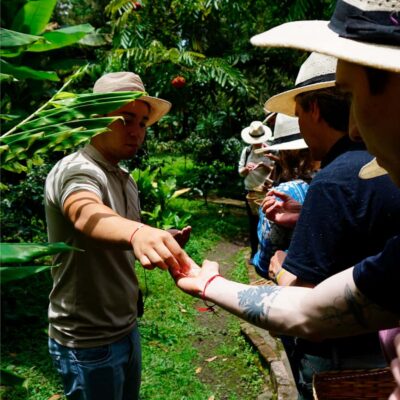
From Bogotá: Coffee Farm and Tequendama Falls Tour
Read our review →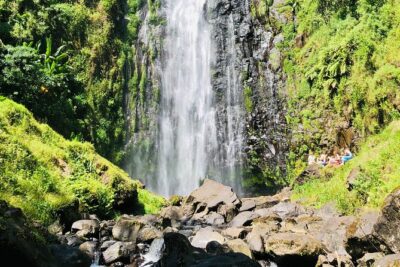
Materuni Waterfall, Coffee Tour and Picnic Hot Lunch
Read our review →
Poas Volcano waterfalls and coffee tour from from San Jose
Read our review →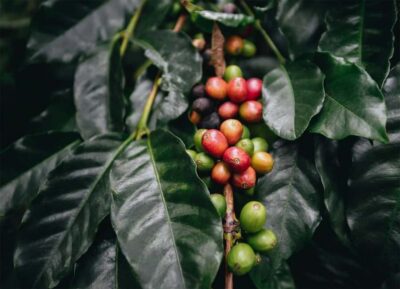
Santa Marta: Minca Coffee, Cocoa, & Waterfall Full-Day Trip
Read our review →Browse the lists this tour appears in