
Review · SAPA WATERFALL TOURS
Sapa3D2N TrekkingAdventures,Valleys,Bambooforest,Waterfall
Sapa is at its best on foot, and this three-day route quickly leaves town behind. You climb to Dragon Mountain at about 1,900 meters, look toward Fansipan, then follow trails through rice terraces, bamboo forest, waterfalls, and villages where daily work still happens in the fields. The nights are spent with Dinh’s family, not in a standard hotel.
I like two things especially: the personal connection with a Hmong family and the variety of the walks. You get broad views from the Muong Hoa Valley, quieter village paths, a hanging bridge, animal sightings, and time with Hmong, Tày, and Red Dao communities. Dinh is also known for keeping the homestay lively with food, music, dancing, and a little happy water.
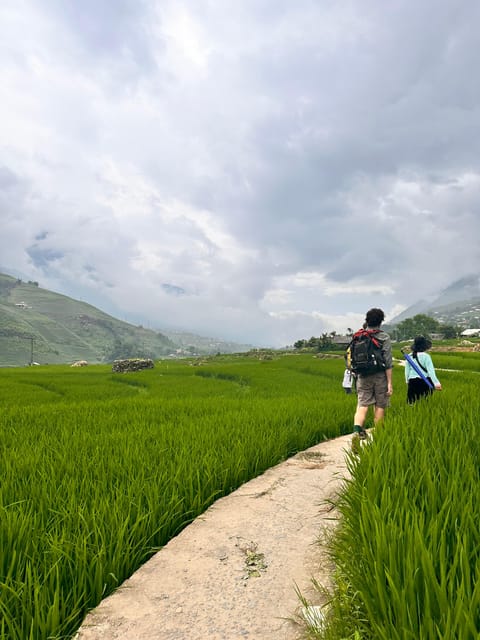
The main consideration is the walking. You cover roughly 9 to 15 kilometers each day, often for five to six hours, with uphill and downhill sections on small trails. Paths can be tiring, and this is not a sightseeing tour with frequent vehicle stops. Bring proper shoes and be ready for simple homestay conditions.
Key points at a glance
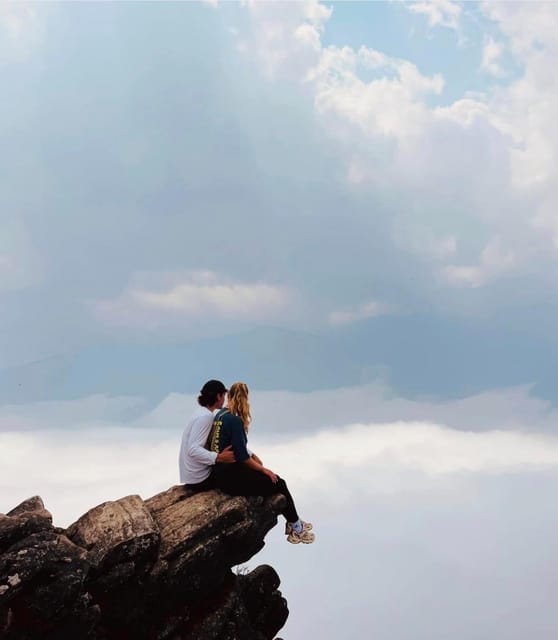
- Dragon Mountain views: Begin with a climb to around 1,900 meters for views toward Fansipan, Sapa town, and the Muong Hoa rice terraces.
- Three village walks: Visit Black Hmong communities in Hang Da, Hau Thao, Lao Chai, and Y Linh Ho, plus Red Dao and Tày cultural areas.
- Two nights with a local family: Stay at Dinh’s family homestay, where meals and time with local people are part of the experience.
- Waterfall and bamboo forest scenery: The second day reaches Giang Ta Chai Waterfall and includes a bamboo forest, alternative paths, and a second hanging bridge.
- Small-group feel: Dinh or her sister meets you in Sapa, and a member of the family may guide the walking days.
- Good value at $80: The price includes three lunches, two dinners, two breakfasts, village fees, water each day, lodging, guiding, and transport back to Sapa.
Starting above Sapa on Dragon Mountain
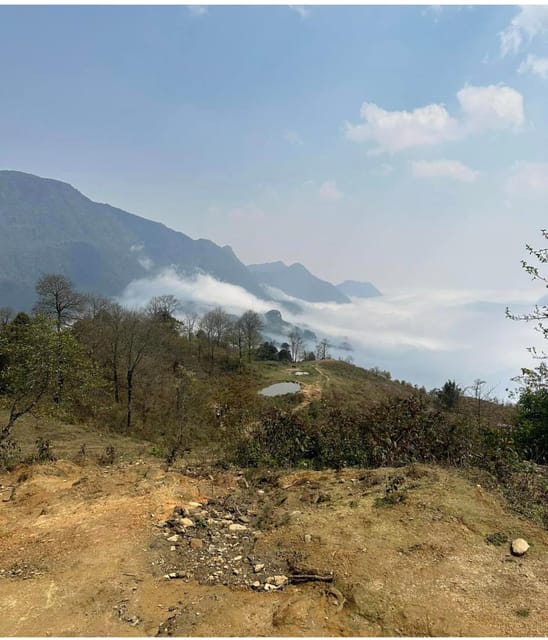
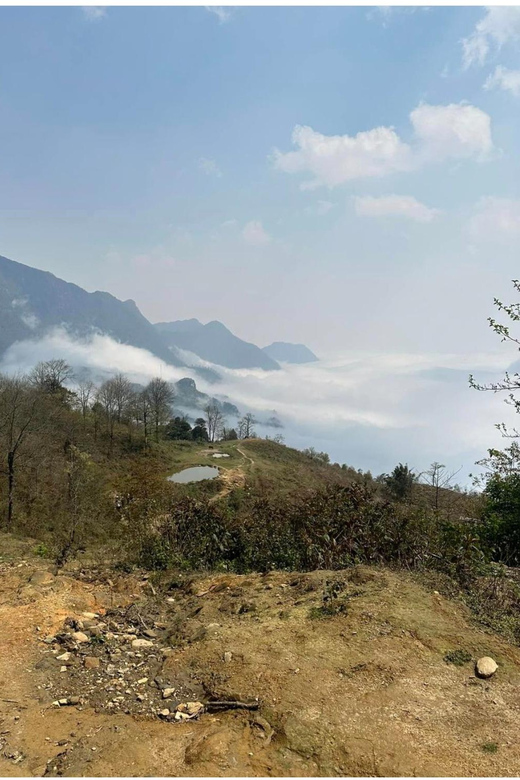
Your first morning begins at 9 a.m., when Dinh or one of her sisters meets you at your hotel in Sapa or outside the town’s main church. After a short introduction, the route climbs about one kilometer on a narrow trail toward Dragon Mountain.
This first climb gives you an immediate sense of the trip. From around 1,900 meters, you can see Sapa, the high peaks of the Hoang Lien Son range, and Fansipan, at 3,143 meters the highest mountain in Indochina. On a clear day, the view reaches across the Muong Hoa Valley and its famous rice terraces.
The early viewpoint is more than a photo stop. It helps you understand the geography of Sapa. The town sits high in the mountains, while villages and cultivated slopes spread through the valleys below. After this opening climb, the route changes character and heads along the mountainside toward Hang Da.
Expect a real mountain path rather than a paved promenade. The distance for the day is listed at about 10 to 15 kilometers, with around six hours of walking. The exact effort will depend on the route, weather, and your pace, so leave enough energy for the afternoon.
More Waterfall Tours in Vietnam:
- Da Lat Countryside Minivan Shared Tour (Three Waterfalls)
★ 5.0 · 1,894 reviews - Da Lat: 3 Waterfalls Tour (Datanla – Elephant – Pongour)
★ 5.0 · 1,840 reviews - Dalat: Three Waterfalls Small Group Tour – Alpine Coaster
★ 4.9 · 1,256 reviews
Hang Da and Hau Thao: village life beyond the viewpoints
Hang Da is a Black Hmong village, and the trail gives you a chance to see ordinary rural activity rather than only scenic viewpoints. You might see buffalo, cows, pigs, and people working around their homes or fields. These details make the route feel grounded. You are not simply looking at the valley from above, you are moving through places where people live and work.
Lunch is served at a small restaurant run by a local family. That arrangement fits the character of the tour. Meals are part of the route, not an interruption at a large roadside venue. The included lunch also means you do not need to carry a full day’s food, though you should bring extra water or purchase drinks if needed.
After lunch, you continue down a small road toward Hau Thao, another Black Hmong village. If the timing is right, you may see people planting or harvesting rice. Farming work changes with the season, so the exact sight will vary, but the route gives you a better chance to see local routines than a short town excursion.
You then arrive at the family homestay. The plan is to stay two nights with Dinh’s family, giving the trip a settled rhythm. Rest, take a hot shower, and have dinner with the family. The homestay is a major part of the experience, so book this trip because you want personal contact and a simple local setting, not because you expect a private resort.
A family homestay with food, music, and shared evenings
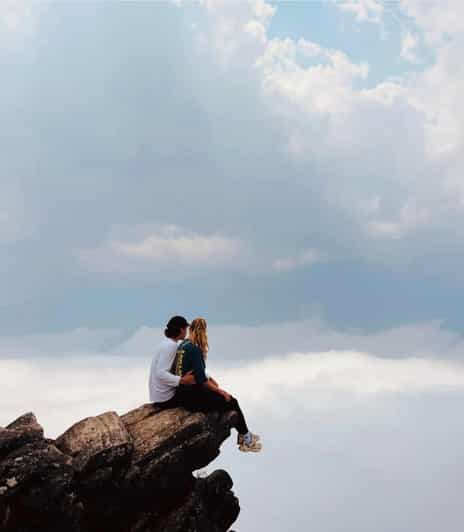
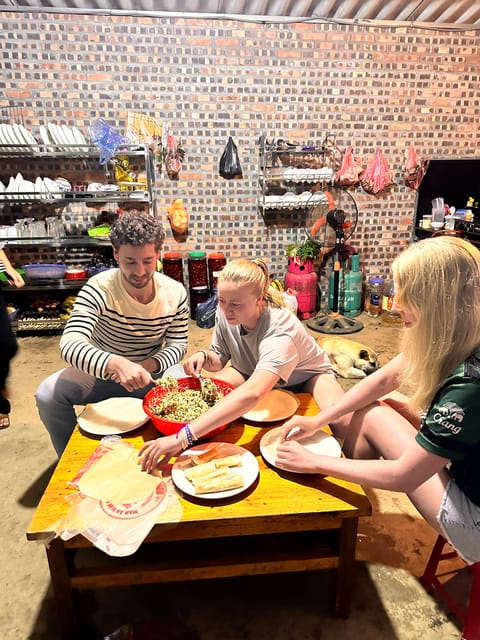
Dinh presents the homestay as a family place, and the atmosphere appears to be an important part of the stay. The supplied details describe traditional meals, time with local children, and the chance to meet other people staying at the house. Dinh also shares her own story and explains how the homestay began.
One especially personal detail is that Dinh’s younger students live in another house nearby. That can give the evening a more social feel, though the exact program will depend on who is present during your visit. Past experiences also included singing, dancing, and happy water, a local rice spirit often shared at meals.
You should enjoy the warmth without expecting a polished hotel routine. Homestays are valuable because they bring you closer to family life, but they can also mean shared facilities, basic rooms, and less control over the evening schedule. The information confirms a hot shower, but it does not specify room arrangements, bedding, or bathroom privacy, so ask Dinh if those details matter to you.
Meals are included as follows: two breakfasts, two dinners, and three lunches. The food is described as typical Vietnamese cooking served at the homestay and local family restaurants. Extra drinks, including bottled water and beer, cost more. One bottle of water per person per day is included, which is not enough for a long mountain walk if you drink heavily, so bring a reusable bottle or budget for additional water.
Day two: Su Pan, Red Dao culture, and Giang Ta Chai Waterfall
After breakfast, the second walk covers about 9 to 11 kilometers and lasts roughly five and a half hours. The route begins from the homestay area, heading through Hau Thao toward Su Pan.
Su Pan is a small Black Hmong village close to the mountains. The route here offers open views across rice fields and traditional houses. The appeal is quiet scale. You are walking through a working village, not checking off a single monument.
From Su Pan, the trail climbs toward Giang Ta Chai Waterfall. This is one of the day’s key changes in scenery. Rice fields give way to wooded slopes, bamboo forest, and water. You should expect uneven ground and an uphill section before reaching the waterfall, so shoes with a firm sole will help.
The route then reaches a Red Dao area. With a local guide, you can learn about Red Dao culture and daily life, including a short visit to a Red Dao family. This contact is one of the strongest reasons to choose a local guide. Dinh and her family can explain community customs in a way a quick photo stop cannot.
After the family visit, you return toward the waterfall on an alternative trail and cross a second hanging bridge. Bridges and narrow paths can feel exciting, but they may not suit anyone uneasy with heights. The information does not give detailed safety conditions, so tell your guide if you need a slower crossing or extra support.
Lunch takes place at a small restaurant in Giang Ta Chai run by a Hmong family. After the meal and a break, you return to Ta Van village and spend another night with Dinh’s family. The second night means you do not need to repack and move to a new accommodation after every walk, which makes the three-day route easier on your body.
Same region, a different set of falls:
- Dalat: 3 Waterfalls Day Tour — Datanla, Pongour & Elephant
★ 4.9 · 931 reviews - Ban Gioc Waterfall 2 Days 1 Night From Hanoi
★ 5.0 · 575 reviews - Da Lat’s Countryside & Waterfalls Day Tour by Motorbike
★ 5.0 · 462 reviews - Dalat Top Tourists Sights – Waterfall & Go kart-Mario Kart
★ 5.0 · 380 reviews
Day three: Lao Chai, Y Linh Ho, and the Muong Hoa River
The final walking day covers around 9 to 13 kilometers and takes about five and a half hours. After breakfast, you head toward Lao Chai and Y Linh Ho.
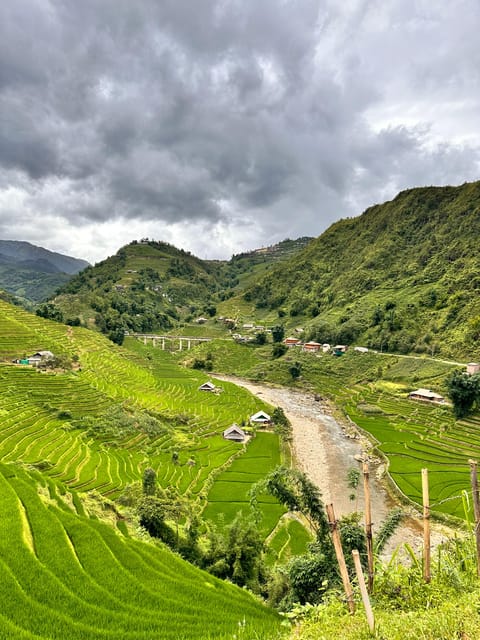
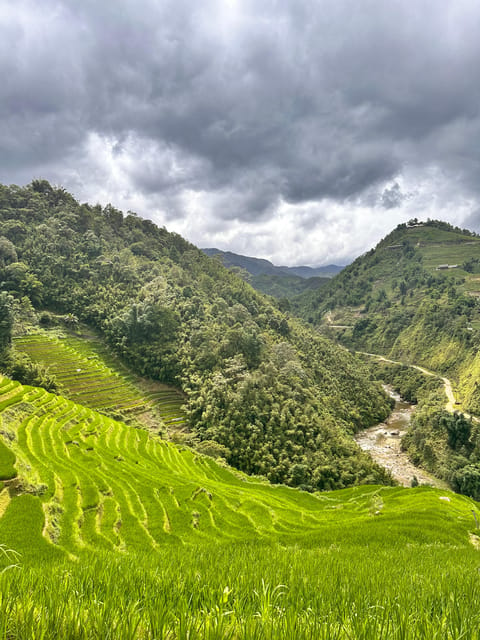
The route reaches the hanging bridge over the Muong Hoa River, then climbs again into the mountains. From higher ground, you can see some of the largest rice terraces in the area and look toward the Hoang Lien Son mountains. This final day brings back the wide views from the first morning, but from a different direction and after two days of village walking.
Lao Chai and Y Linh Ho are Black Hmong communities, and the route gives you another look at homes, fields, and local movement around the valley. The walking is not simply a scenic loop. It links several communities, so the terrain and views change as you go.
The tour finishes by returning to Sapa. Large bags are transported to Dinh’s house, where you stay, so you only need to carry what you need for the walks. This is useful because a daypack is much more comfortable on narrow mountain paths than a full suitcase or large backpack.
What the $80 price really covers
At $80 per person, the trip offers good value if you plan to use the included services. You receive three days of English-language guiding, entry fees for eight villages, two homestay nights, five included meals, daily water, and transport back to Sapa at the end.
The village fees matter because they cover access across several communities rather than just one short walk. Lodging and meals also make up a large part of the cost. You are paying for a local family experience and a guide for three days, not only for transport between viewpoints.
The price does not include travel insurance or extra drinks. It also does not list transportation from Hanoi, luggage transfer beyond the stated arrangement, snacks, or personal purchases. The information confirms that large bags can be taken to the homestay, but you should clarify the exact handoff if you have valuables or several bags.
The flexible booking terms are useful for a mountain trip. You can reserve and pay later, and cancellation is free up to 24 hours before the start time. The activity is offered in English and Vietnamese.
Who will enjoy this Sapa trek
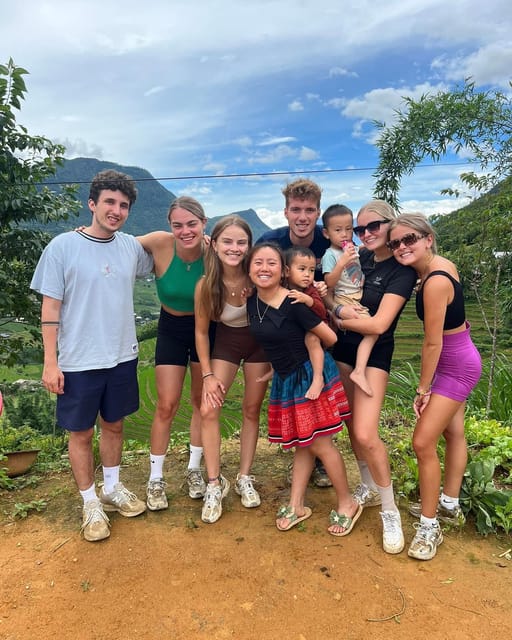
I would choose this trip if you want three proper walking days, close contact with a Hmong family, and a route that includes more than one famous viewpoint. It suits people who are comfortable with five to six hours of walking and who see a basic homestay as part of the point.
It is also a good fit if food and conversation matter as much as scenery. Dinh’s role is not limited to leading you between villages. She shares her home, family story, meals, and local connections. The supplied information also names Dinh’s cousin as a guide on one three-day experience, so the person leading your walks may be a family member rather than Dinh herself. Confirm this when booking if you have a guide preference.
You should think twice if you want easy paths, hotel comfort, or a tightly controlled schedule. The route includes climbs, descents, hanging bridges, and uneven trails. The activity is not suitable for people over 95 according to the stated conditions, and anyone with limited walking ability should ask about the current trail before paying.
Pack sunglasses, a sun hat, sunscreen, comfortable clothes, a change of clothes, and swimwear. Swimwear is listed among the suggested items, though the itinerary does not promise a swimming stop. A light daypack and extra drinking water are sensible additions.
Should you book Dinh’s Sapa adventure?
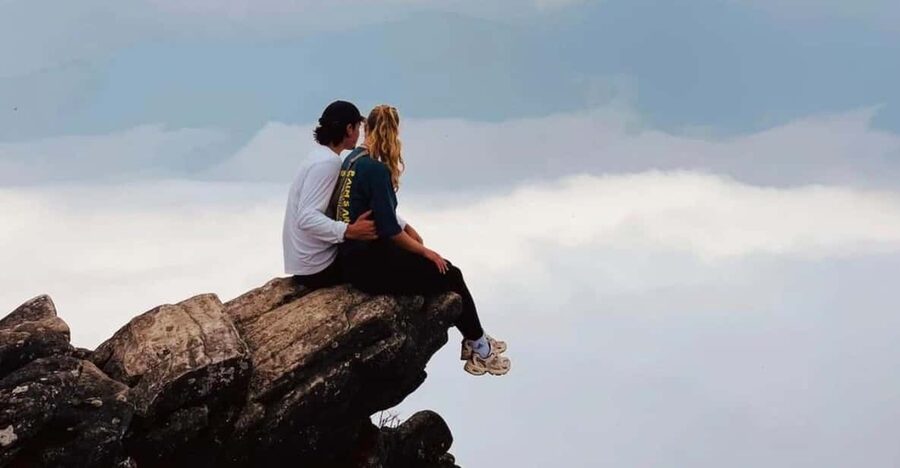
Book it if you want Sapa through its villages, fields, family homes, and mountain paths rather than from a bus window. The best parts are the Dragon Mountain viewpoint, the waterfall and bamboo forest route, the range of ethnic communities, and the chance to spend two nights with Dinh’s family.
The tradeoff is comfort. You will walk a lot, share a simple homestay setting, and pay extra for drinks. If that sounds like a fair exchange for local contact and strong mountain scenery, $80 is a sound price. If you prefer a shorter outing or private hotel rooms, choose a day trek instead.
FAQ
Where does the Sapa trek begin?
Dinh or one of her sisters meets you at your hotel in Sapa or in front of Sapa’s main church at 9 a.m. on the first day.
How long do you walk each day?
Day one covers about 10 to 15 kilometers in around six hours. Day two covers about 9 to 11 kilometers in roughly five and a half hours. Day three covers about 9 to 13 kilometers in about five and a half hours.
Where do you sleep?
You spend two nights at Dinh’s family homestay in the village area. The information confirms that a hot shower is available, but it does not specify room or bathroom arrangements.
What meals are included?
The price includes three lunches, two dinners, and two breakfasts. Extra drinks, such as bottled water or beer, are not included.
Is a guide included?
Yes. A local English-speaking guide is included for all three days. The activity is also offered in Vietnamese, and Dinh or one of her sisters meets you at the start.
What happens to large bags?
Large bags can be transported to the homestay where you stay. You should carry a smaller daypack during the walks and confirm the exact luggage arrangement before departure.
Newest waterfall trips we have reviewed in Vietnam
- Da Lat Full-day Tour with Langbiang Mountain, Datanla Waterfall, Crazy House★ 3.5 · 11 reviews
- VIP Dalat 3 waterfalls – Datanla, Elephant Pongour & Coffee Tour★ 5.0 · 8 reviews
- Dalat Waterfall Tour★ 5.0 · 9 reviews
- Vietnamese Culture: Phin-Making Tour Beyond Elephant Falls, Dalat★ 5.0 · 19 reviews
- Da Lat: Half-Day Morning – Clay Tunnel, Crazy House, Datanla Fall★ 5.0 · 43 reviews
- Da Lat Countryside & Pongour Waterfall Tours ( small group)★ 5.0 · 256 reviews
- Da Lat Easy Rider Group Waterfall Motorcycle Adventure★ 5.0 · 38 reviews
- Dalat Countryside with Pongour & Elephant waterfalls tour – 1Day★ 5.0 · 5 reviews
Sapa Waterfall Tours, compared.
Sapa Motorbike Tour With Local Guide 1 Day – Waterfalls, Villages
Read our review →
Motorbike Tour 1 Day Visit Waterfalls & Local Villages
Read our review →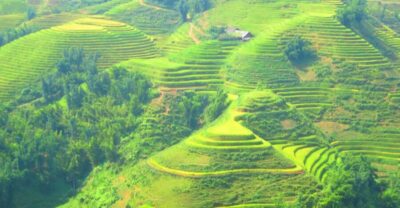
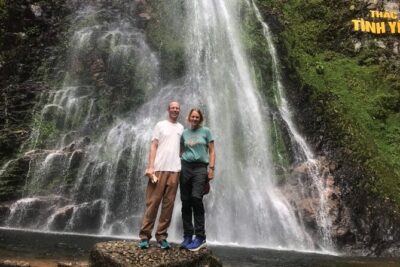
Sapa Love Silver Waterfall, Lonely Tree in Heaven Gate,San Sa Ho
Read our review →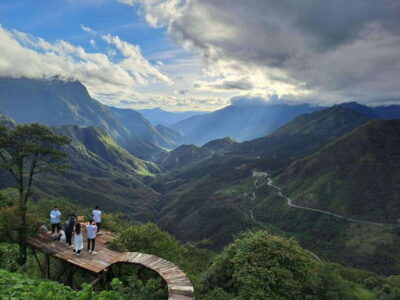
Love Silver Waterfall, LonelyTree in Heaven-Rice Field
Read our review →
Sapa Silver Waterfall And O Quy Ho Pass Tour By Motorbike
Read our review →
2-Day Villages,Rice Fields, Love Waterfall Hiking Tour
Read our review →Browse the lists this tour appears in