
Review · OURIKA VALLEY & ATLAS WATERFALL TOURS
Marrakech: Ourika Valley,Waterfalls, Atlas Luxury Day trip
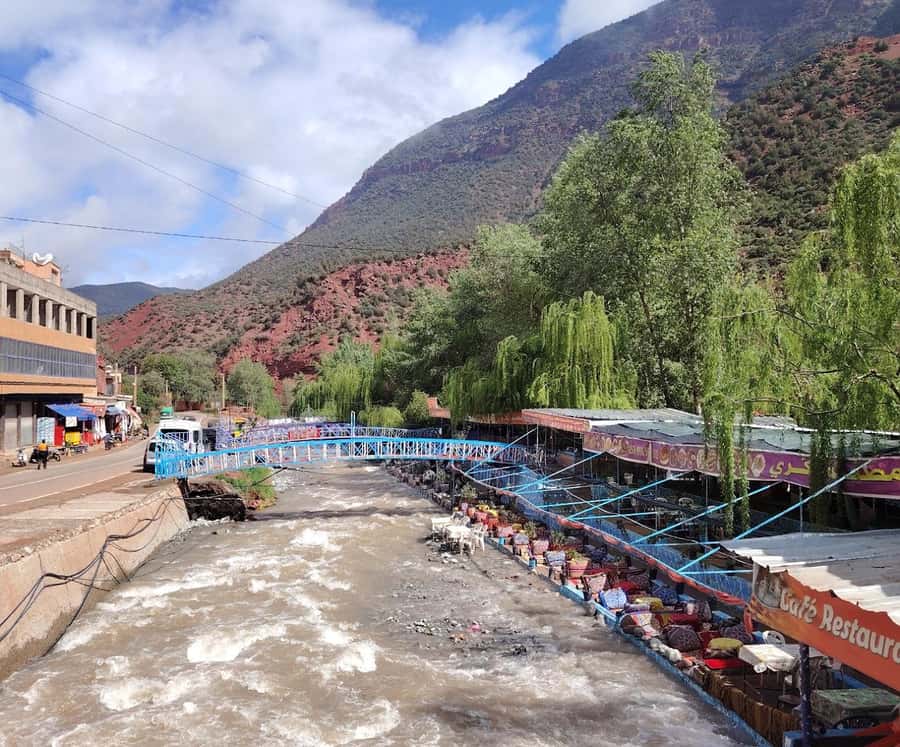
The best part of this day trip is the quick change from Marrakech traffic to red-clay Berber villages and green mountain valleys. By the time you reach Setti Fatma, the city feels far away, and the Atlas peaks give you a very different view of Morocco.
I like the mix of scenery and local life, especially the stops at an argan oil cooperative and a traditional family home. I also like the choice built into the day: you can take the waterfall walk, or stay by the river with mint tea if the trail is too demanding. The main drawback is that the walk is rough in places, and the waterfalls themselves are modest rather than grand.
Key points at a glance
- Riverside lunch is optional: The $35 price does not include lunch. Add the meal for about 12 euros per person.
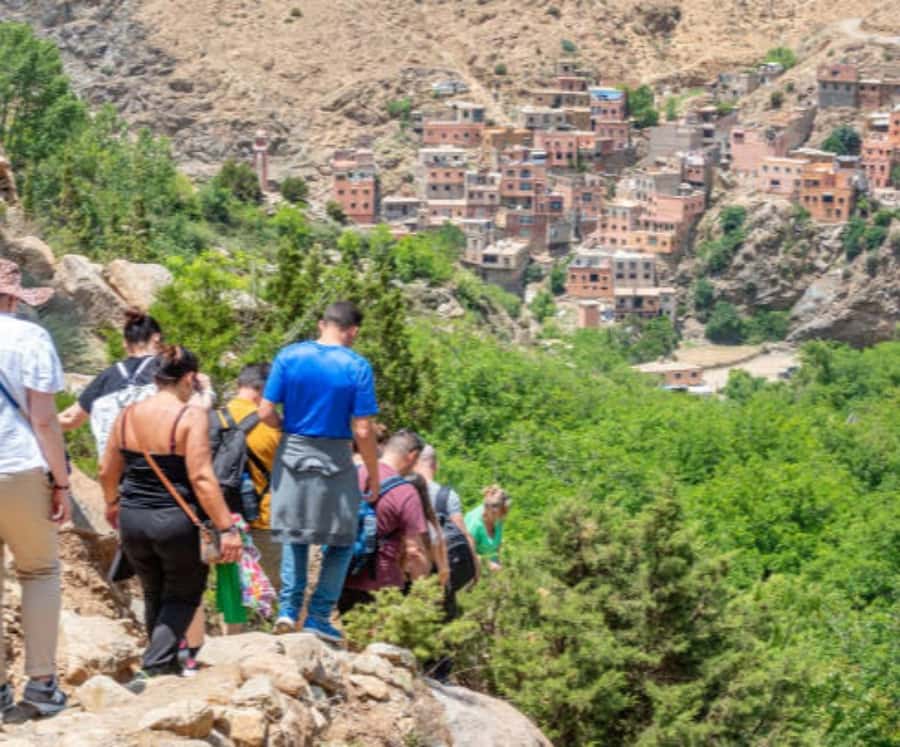
- Setti Fatma is the active part: The walk to the seven waterfalls takes about an hour and includes uneven village paths and mountain trails.
- The drive is part of the experience: Look for clay houses, orchards, vegetable plots, and snow-capped Atlas peaks along the road.
- Guiding makes a difference: Drivers such as Ismail, Yassine, Abderrahman, and Azzedine are praised for safe driving and friendly explanations, while local guides including Ahmed, Said, and Khalid lead the mountain walk.
- This is not a mobility-friendly outing: It is not suitable for wheelchair users, children under six, people with low fitness, or anyone over 70.
- Bring proper shoes: Trainers or closed-toe hiking shoes matter more than stylish holiday footwear.
From Marrakech to the first Atlas foothills
Pickup is around 9 am from your Marrakech hotel or riad. If your accommodation is outside the city pickup area, the meeting point is near Koutoubia Mosque, beside the main square and Club Med.
Transport is by modern, air-conditioned vehicle with tourist insurance. The drive is not just dead time between attractions. It is your first chance to watch Marrakech thin out into farms, villages, and rising hills. Drivers such as Ismail and Yassine have been especially well regarded for answering questions, choosing photo stops, and keeping the ride relaxed.
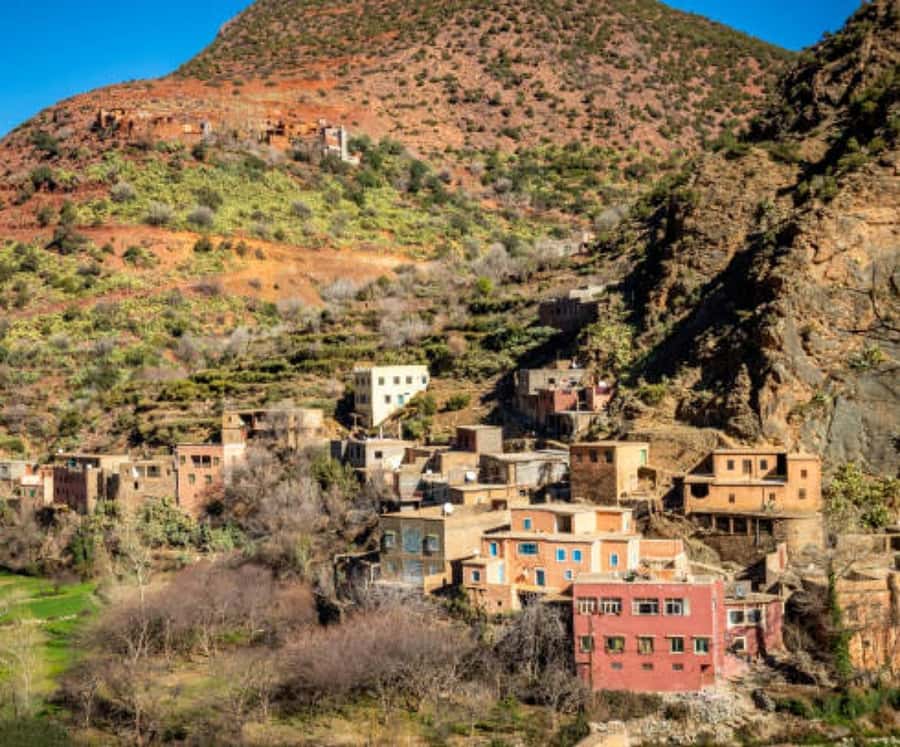
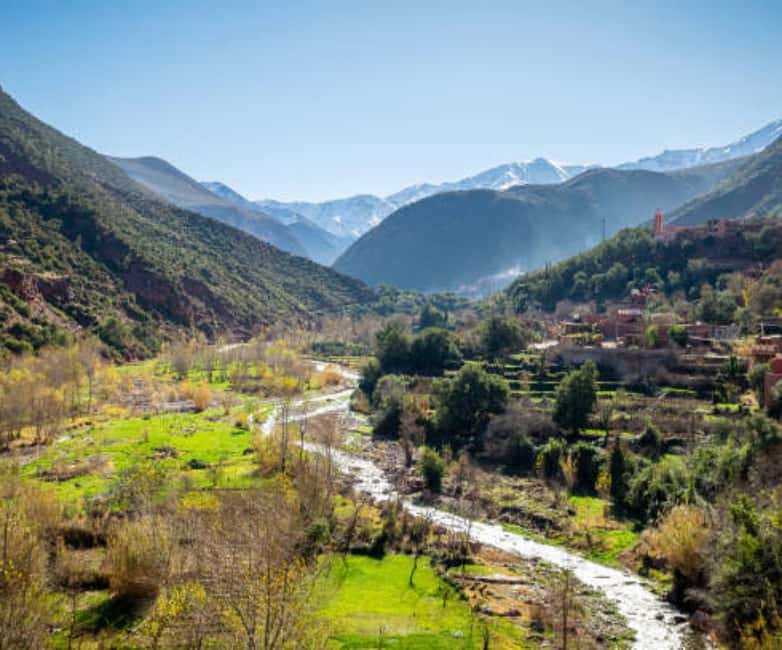
The first stretch takes about 35 minutes to Tnin Ourika. The road begins smoothly, with the first signs of the High Atlas appearing ahead. Clay-colored houses climb the slopes, and green strips of farmland follow the Ourika River. The contrast is sharp: Marrakech is dry, busy, and enclosed by walls, while the valley opens into fields and mountain air.
If your trip falls on a Monday, Tnin Ourika has a farmer market. The exact market experience depends on timing, but the village gives you a useful glimpse of ordinary local life before the more visitor-focused stops begin.
More Ourika Valley and Atlas Waterfall Tours in Marrakesh:
- Marrakech: Atlas Mountains, Ourika Valley, Waterfall & Lunch
★ 4.8 · 15,834 reviews - Marrakech: Ourika Valley Trip with Waterfall Hike
★ 4.6 · 6,792 reviews - Marrakech: ourika valley lunch & guided hike to waterfalls
★ 4.9 · 3,737 reviews
Argan oil, village homes, and useful context
A visit to an argan oil cooperative is included. Here you learn how argan nuts are processed into the oil used in Moroccan cooking and cosmetics. It is a worthwhile stop because the product is tied to local work and household income, not just a shelf of souvenirs.
You may also have the chance to visit a local family home or a traditional Berber house. This is one of the more personal parts of the day. Instead of seeing only mountain scenery from a vehicle, you get some context for how people live in the villages.
The tone of this stop can vary, so keep your expectations sensible. It is a short cultural visit, not a museum tour or a long home-stay. Some groups also stop at a pottery house or another local craft site. These visits can add color to the day, but they are also the places most likely to feel arranged for tourism.
A good guide helps here. Abdo, Ismail, Hicham, Walid, and Yassine are among the drivers and guides praised for explaining the stops in clear English or French. The tour also offers Arabic and Spanish guiding. If you are in a mixed-language group, the driver may repeat key information in more than one language, which can make the day feel slower but fairer for everyone.
Ourika Valley views are the real payoff
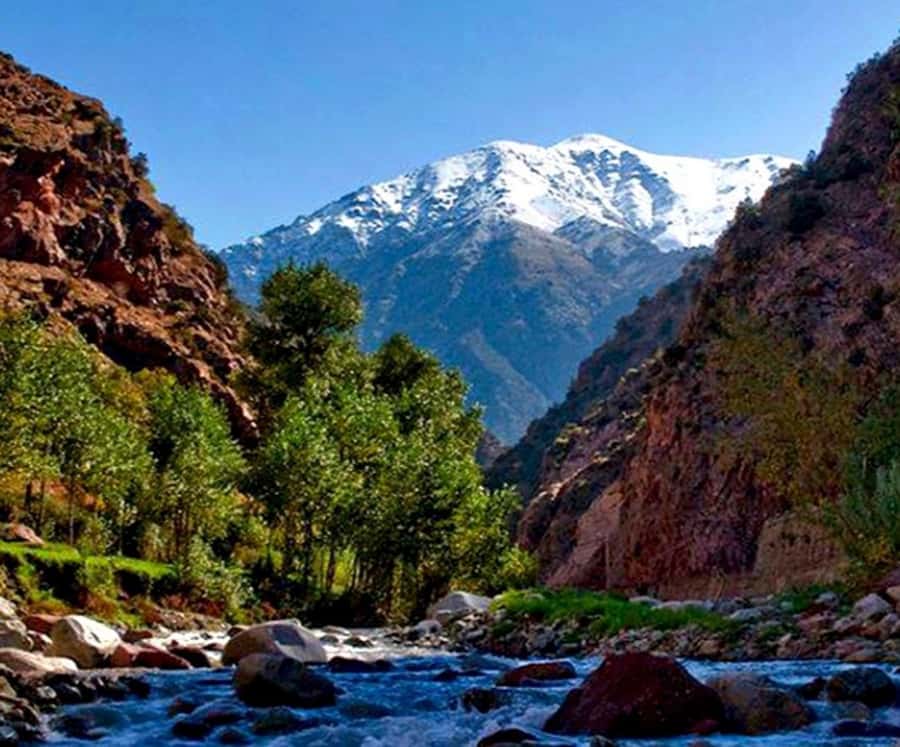
The road continues through the Ourika Valley, where vegetable plots, fruit orchards, and small settlements sit in the folds of the hills. Red soil and pale clay buildings dominate the view. In the distance, the Atlas peaks may be snow-capped, especially in the cooler months.
This is the part where I would keep your camera ready, but do not spend the entire drive looking through it. The valley is interesting because it shows how farming fits into a dry, steep region. Small cultivated areas appear wherever water and soil allow, while homes sit higher on the slopes.
There are several photo stops, and drivers are often willing to pause when conditions allow. A private group gives you more control over the pace. A shared group may mean waiting for others, especially when some people want a longer stop or decide not to continue up the trail.
The drive includes roughly 30 minutes between some stops, followed by about 30 minutes at the Ourika Valley area before you reach Setti Fatma. The published schedule is a useful guide, but mountain roads, group decisions, and lunch timing can affect the exact pace.
Setti Fatma and the walk to seven waterfalls
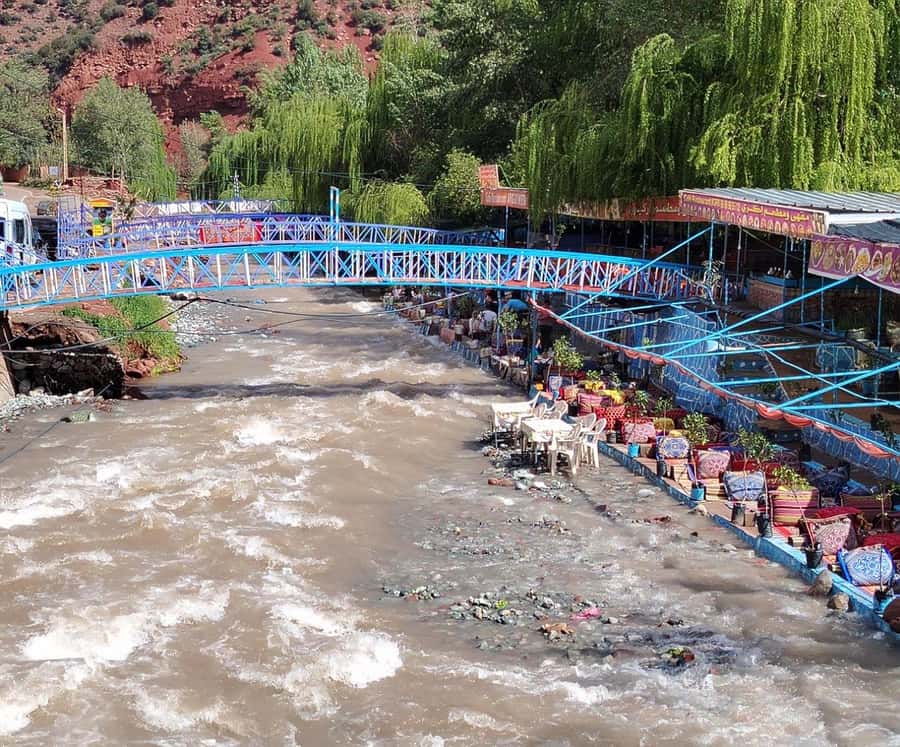
Setti Fatma sits at about 1,500 meters, at the base of the Atlas Mountains. This is the main outdoor section of the day, and you are introduced to a local mountain guide who leads the walk.
The route follows lanes and pathways through the village before joining a rougher trail. The walking time to the waterfalls is about one hour, though the full stop at Ourika Valley lasts around three hours and includes the walk, sightseeing, tea, lunch, and free time. You should expect uneven ground, steps, narrow paths, and sections that require care.
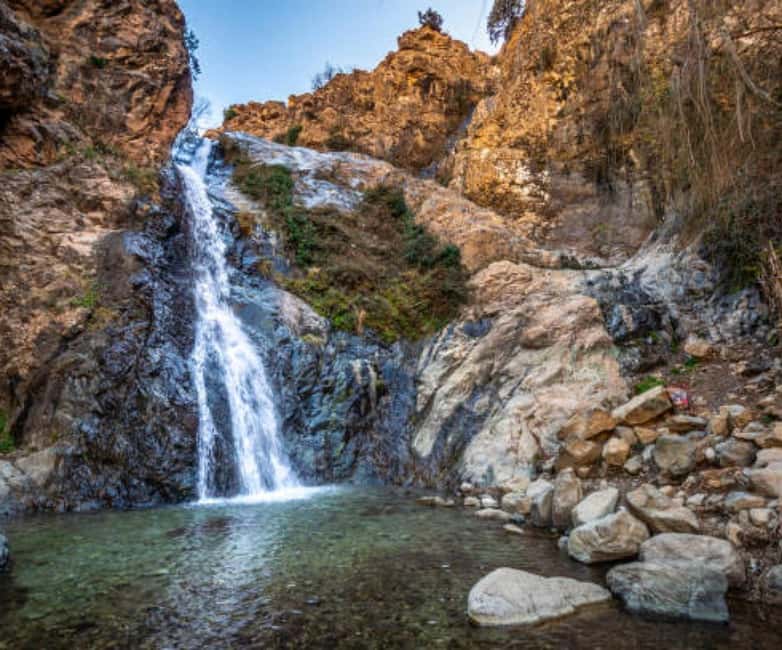
The seven waterfalls are medium-sized cascades rather than huge plunges. That is worth knowing before you book. Their appeal comes from the setting, the cool mountain water, and the chance to walk through a village and up into the hills. You can stop near the water, take photographs, and appreciate the change from hot Marrakech.
Guides such as Ahmed, Said, Khalid, Mustafa, Abdu, and Soufyaan have been praised for helping people over difficult parts of the route. That does not make the walk easy, but a good local guide can show you where to place your feet and keep the group together.
You do not have to complete the hike. If you have health concerns or low fitness, you can stay at a café or restaurant in Setti Fatma with mint tea and mountain views while the rest of the group walks. Tell the guide early if you need a shorter route. One practical option is to stop at a smaller waterfall and return rather than push on to the highest point.
The operator does not recommend the hike for people with limited mobility, people over 70, children under six, or anyone with a low level of fitness. People with altitude sickness should also avoid this outing. The stated limit of 209 pounds, or 95 kilograms, is another restriction to note.
More Day Trips in Marrakesh:
- Marrakech: Ouzoud Waterfalls Guided Day Trip with Boat Ride
★ 4.4 · 4,995 reviews - From Marrakech:Ouzoud Waterfalls Day Trip with Boat Tour
★ 4.8 · 3,966 reviews - Atlas Mountain & Three Valleys Waterfalls & Desert Day Trip
★ 4.8 · 8 reviews - Day Trip Atlas Mountains and Berber Villages with Waterfalls
★ 4.4 · 7 reviews
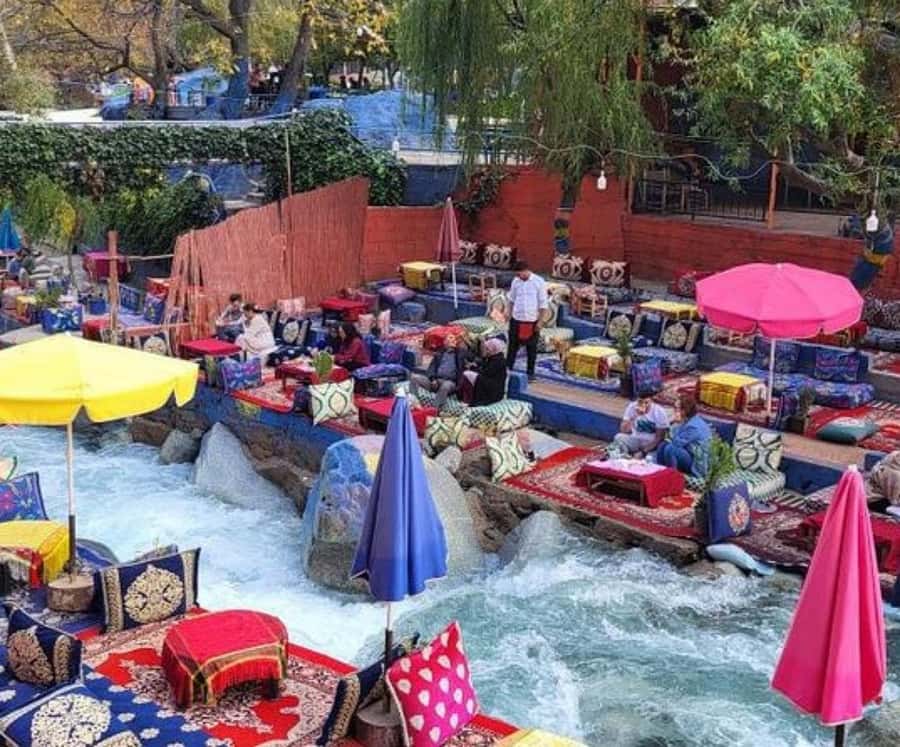
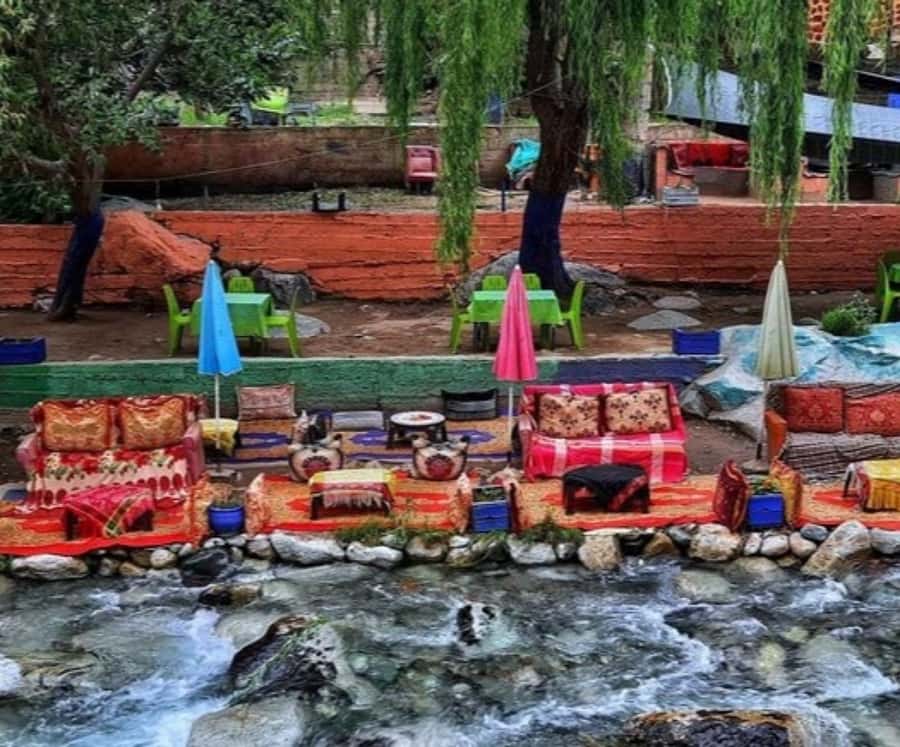
Lunch beside the Ourika River
Lunch is not included in the $35 base price. You need to select the lunch option, which costs about 12 euros per person. This is an important detail when comparing the price with other Atlas excursions.
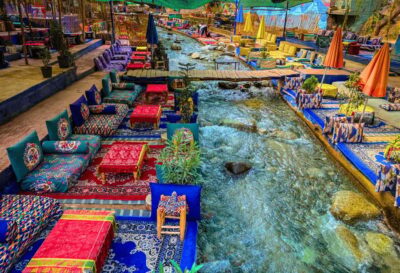
The meal is served at a restaurant beside the river, with a table near the water and a view of the valley. After the uphill walk, the setting is as valuable as the food. The meal includes Moroccan dishes, with a starter, main course, and dessert. The exact menu and presentation can vary, so do not expect the same polished setting shown in every promotional photograph.
This is a traditional Moroccan meal rather than a quick roadside snack. It gives you time to sit, cool down, and talk with the guide before the return drive. If you skip lunch, you should still bring cash for drinks or food along the way.
The riverside meal is one of the strongest reasons to choose this particular day trip over a basic transport-only outing. It turns the end of the hike into a proper pause instead of sending you straight back into a van.
The return to Marrakech
After lunch, the drive back takes about one hour and 15 minutes, with the final drop-off around 5 pm. The full experience is advertised as seven hours, so this is a compact day rather than a long expedition.
The return ride can feel long after the walk, especially in summer. This is another reason the air-conditioning and comfortable vehicle matter. Several drivers, including Abderrahman, Abdel, Azzedine, and Oualid, have been praised for careful driving, punctual pickup, clean vehicles, and a friendly manner.
Some drivers also play local music and keep the conversation going. You can ask questions about the villages, farming, Amazigh culture, or the places you passed. The best guides do not simply point out a view. They help connect the scenery with daily life.
The experience uses the term Berber in its description, but Amazigh is the preferred name for the people and culture. If you are interested in Moroccan identity, ask your guide about the language and traditions of the valley. The strongest cultural moments tend to come through conversation rather than through a formal presentation.
Is $35 good value?
At $35 per person, the tour offers good value if you want transport, a driver, several valley stops, a local waterfall guide, hotel pickup and drop-off, fuel, insurance, a bottle of water, and the argan cooperative visit. It is an efficient way to see the Ourika Valley without arranging separate transport and guides.
The price is less simple than it first appears. Lunch costs extra, and you should budget for drinks, small purchases, and tips for the local guides. You may also pay for items at the argan cooperative or craft stops, but buying is optional.
A shared vehicle may give you less control over the schedule, while a private group should allow more flexibility with photo stops and walking pace. The experience is particularly good value for couples, families with older children, and small groups who want a full day outside Marrakech without committing to a multi-day mountain trip.
The strongest value comes from the combination of scenery and human contact. You are not only driven to a viewpoint, given a quick photograph, and taken home. You see farms, homes, village lanes, local products, and a mountain trail. Still, this is a popular excursion route, so the cultural stops are not completely spontaneous or untouched.
What to wear and carry
Wear trainers or closed-toe hiking shoes with a firm sole. The path to the waterfalls is not suitable for sandals, smooth fashion shoes, or high heels. The information specifically recommends comfortable shoes and hiking shoes, while also stating that boots are not allowed, so practical low hiking shoes are the safest choice.
Bring a light jacket, even in warm weather. The valley sits higher than Marrakech, and the temperature can feel different near the mountain water. Outdoor clothing, a camera, cash, and a bottle of water are useful.
Food is not allowed in the vehicle, and alcoholic drinks are prohibited. Bikes and baby carriages are also not allowed. These rules matter most if you are planning a family outing or carrying a large amount of equipment.
I would also bring patience. The day includes several stops, a local guide change, a mountain walk, and a restaurant meal. It is not designed for a rushed schedule.
Who should book this day trip?
Book it if you want a clear change of scene from Marrakech and like a day that combines driving, culture, photographs, and moderate walking. It suits people who want to see Amazigh villages and Atlas scenery without taking on a serious mountain trek.
It is also a good choice if you value a friendly driver. Names change from day to day, but drivers such as Ismail, Yassine, Abderrahman, and Azzedine have earned praise for punctual pickups, safe driving, clear explanations, and adjusting the pace when needed.
Think carefully before booking if your main goal is a major waterfall. The seven cascades are pleasant and scenic, but they are described as medium-sized. The trail is the attraction as much as the water.
I would also skip it if you use a wheelchair, have limited mobility, struggle with mountain walking, or are traveling with a child under six. For everyone else, the option to remain at a café while the group hikes makes the day more flexible than the headline waterfall visit suggests.
Final verdict
I recommend this Ourika Valley trip for a first visit to the Atlas foothills from Marrakech. The combination of red-clay villages, farm terraces, Amazigh culture, a guided walk, and riverside lunch gives you a fuller day than a simple mountain viewpoint tour.
Choose the lunch option, wear proper shoes, and treat the argan and craft stops as short cultural visits rather than the main event. If you want the best version of the experience, book a private group or make sure your shared group includes people with similar walking abilities. At $35 before lunch, it is a practical and well-priced escape, provided you understand that the waterfall walk is uneven and the waterfalls themselves are modest.
FAQ
Is lunch included in the $35 price?
No. Lunch is optional and costs about 12 euros per person when selected. It is served at a restaurant beside the Ourika River and includes Moroccan food, a starter, main course, and dessert.
How long is the Ourika Valley day trip?
The experience lasts about seven hours. Pickup is around 9 am, and drop-off in Marrakech is expected around 5 pm.
How difficult is the walk to the waterfalls?
The walk takes about one hour and includes uneven village paths and mountain trails. It is not recommended for people with low fitness or limited mobility. You can stay at a café or restaurant in Setti Fatma instead.
Can children join the tour?
Children under six are not recommended for this experience. The waterfall walk is also not recommended for people over 70.
What languages are available?
The tour offers guides in Arabic, English, French, and Spanish. Drivers and local mountain guides may speak different languages during the day.
What should I bring?
Bring comfortable closed-toe shoes or hiking shoes, a jacket, outdoor clothing, a camera, and cash. Trainers are suitable for the walk, while sandals and other open footwear are not recommended.
Newest waterfall trips we have reviewed in Marrakesh
- Day Trip Atlas Mountains and Berber Villages with Waterfalls★ 4.4 · 7 reviews
- Atlas Mountains:Full-Day Trek to Berber Villages & Waterfall★ 5.0 · 50 reviews
- Atlas Mountain & Three Valleys Waterfalls & Desert Day Trip★ 4.8 · 8 reviews
- Atlas mountains and Berber villages & waterfall & camel ride★ 4.8 · 9 reviews
- Atlas Mountains and 3 Valleys & Waterfalls & Desert Agafay★ 5.0 · 11 reviews
- Marrakech 3 Valleys Private Tour, Waterfalls and Mountains★ 4.7 · 68 reviews
- From Marrakech: Day Tour to Ouzoud Waterfalls★ 4.8 · 426 reviews
- From Marrakech: Ourika Valley & Atlas Mountains Waterfalls★ 4.5 · 540 reviews
Ourika Valley & Atlas Waterfall Tours, compared.
Ourika Waterfalls, Atlas Mountains, Guide + Lunch
Read our review →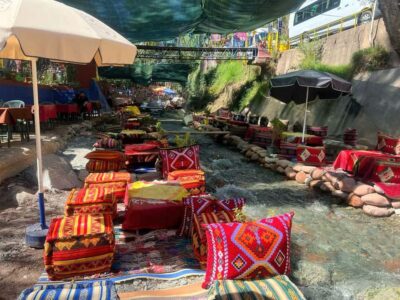
Ourika Valley & Waterfalls Guided Tour with Lunch
Read our review →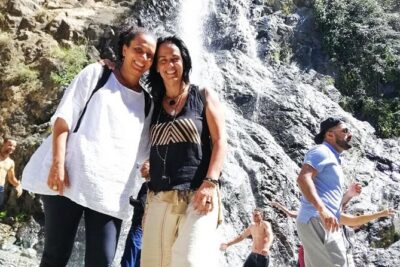
Atlas Mountains, Ourika Valley, Waterfall with Guide
Read our review →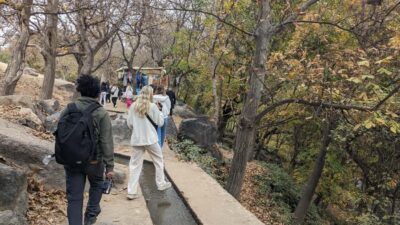
Atlas Mountains, Camel Ride, Waterfalls, & Lunch
Read our review →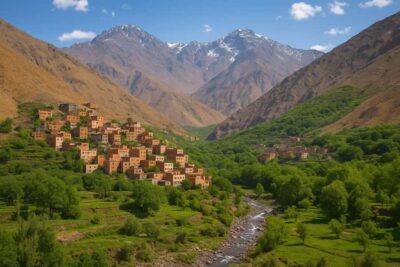
Atlas Mountains & Valleys Waterfall Hike w/ Lunch
Read our review →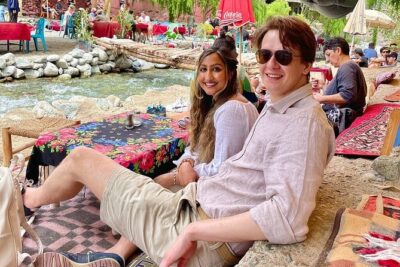
Ourika Valley, Atlas Mountains, Waterfalls & Lunch
Read our review →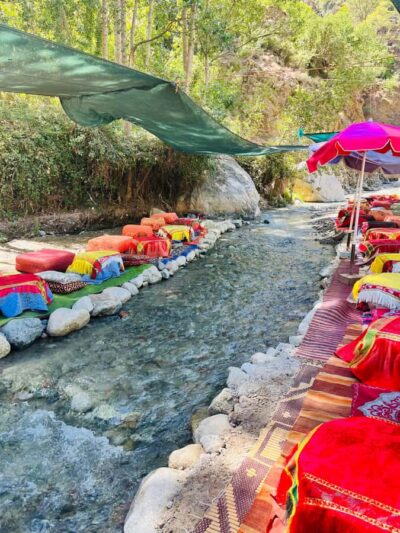
Ourika Valley Waterfalls & Atlas Mountains Trip
Read our review →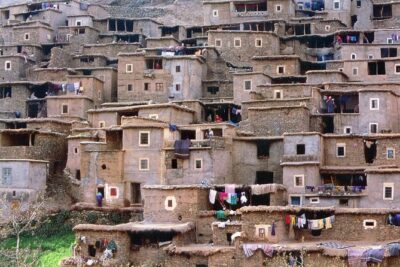
Atlas Mountains 4 Valleys, Waterfalls and Camel Ride
Read our review →Browse the lists this tour appears in