
Review · THAILAND WATERFALL TOURS
Chiang Rai Trek: 4 Hilltribes Villages & Waterfall Only Walk
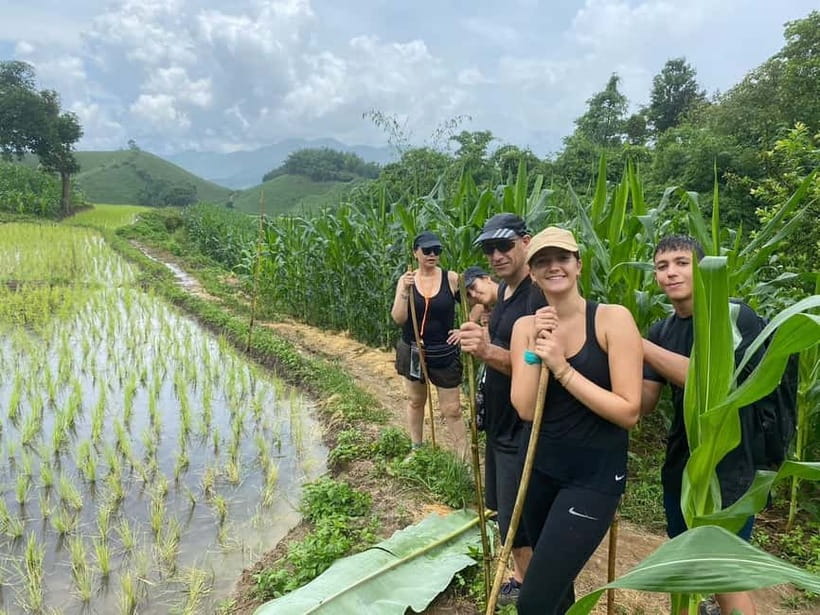
The best part of this Chiang Rai day is that the walking connects real rural places rather than a string of quick roadside stops. You move from a hot spring through forest and bamboo, reach Lisu, Chinese, Akha, and Lahu villages, and see farms growing tea, pineapple, rice, coffee, and other plants.
I especially like the firewood cooking lesson in a bamboo hut and the chance to swim at Huay Kaew Waterfall, said to be Chiang Rai’s second-largest. The guide adds real value by explaining plants, local customs, and village life. The catch is the physical effort: expect about 10 kilometers, some steep uphill sections, and no flat trail throughout.
Key points at a glance
- Four village communities in one walk: Visit Lisu, Chinese, Akha, and Lahu areas instead of simply driving between attractions.
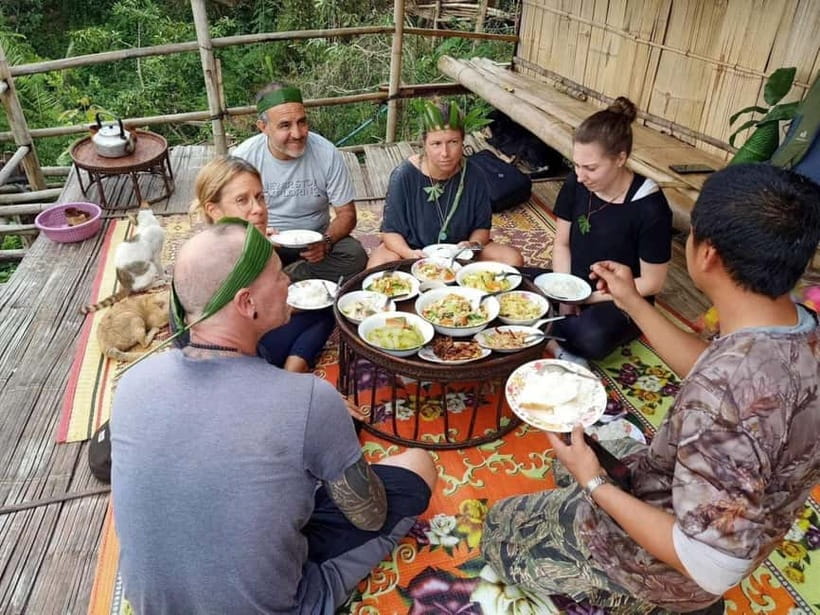
- Lunch cooked over firewood: Prepare food in a traditional bamboo kitchen with your guide and local hosts.
- Huay Kaew swimming stop: Bring swimwear for a refreshing break at Chiang Rai’s second-largest waterfall.
- Tea plantation in the Chinese village: The route includes tea fields along with pineapple, rice, coffee, and chocolate-growing areas.
- Hot spring finish: End the walk with a mineral bath before the return drive to Chiang Rai.
- A demanding but manageable day: The walk lasts around five hours, covers about 10 kilometers, and suits active people rather than young children or older visitors with mobility concerns.
A rural Chiang Rai day, not a quick photo stop
This is a full-day outing from Chiang Rai, with transport taking you to the trekking area in Lam Nam Kok National Park. The route then unfolds on foot, with the guide leading you through forest, bamboo stands, farmland, and village paths.
The day is built around contact with the countryside. You are not just looking at a village from a minibus window. You walk through places where people grow food, learn about plants, and cook lunch using a simple bamboo shelter and firewood stove.
That matters because northern Thailand can be easy to experience only from the main roads. This route gives you a better sense of how villages, forests, farms, and water sources fit together. It also keeps the schedule varied. You have walking, food, village visits, a waterfall, and a hot spring rather than five hours of scenery with no break.
The tour is offered as a small-group experience, which should make it easier to ask questions and keep a steady walking pace. The exact group size is not provided, so I would confirm it when booking if that detail affects your decision.
More Waterfall Hikes in Thailand
- Khao Sok: Private Waterfalls and Wildlife Half-Day Trek
★ 4.5 · 337 reviews - Chiang Mai: Full-Day Jungle Trek, Tubing & Waterfall Adventure
★ 5.0 · 216 reviews - Trekking to Waterfall Adventure Tubing 45 mins. (Only Khao lak)
★ 5.0 · 111 reviews
From the first hot spring into the forest
The walk starts near a hot spring after the car transfer from Chiang Rai. The route then heads into forest and bamboo areas toward a Lisu village.
This opening section sets the tone. You begin with vegetation and rural paths, not a formal attraction with signs and exhibits. Your guide can point out edible plants, herbs, fruits, and spices encountered along the way. Several people who took the tour particularly valued these explanations, so pay attention if you enjoy learning what grows in the forest.
The footing deserves respect. This is not a paved nature walk. You should expect uneven ground, uphill stretches, and sections without a level surface. A review of the route described it as about 10 kilometers, while the tour information estimates around five hours of walking. Those figures are consistent with an active day, but not with a gentle stroll.
Wear shoes with a firm sole and good grip. Sandals may be comfortable in the heat, but they are a poor choice for steep or rough sections. A hat, insect repellent, water, and a change of clothes belong in your day bag.
Cooking lunch in a Lisu bamboo hut
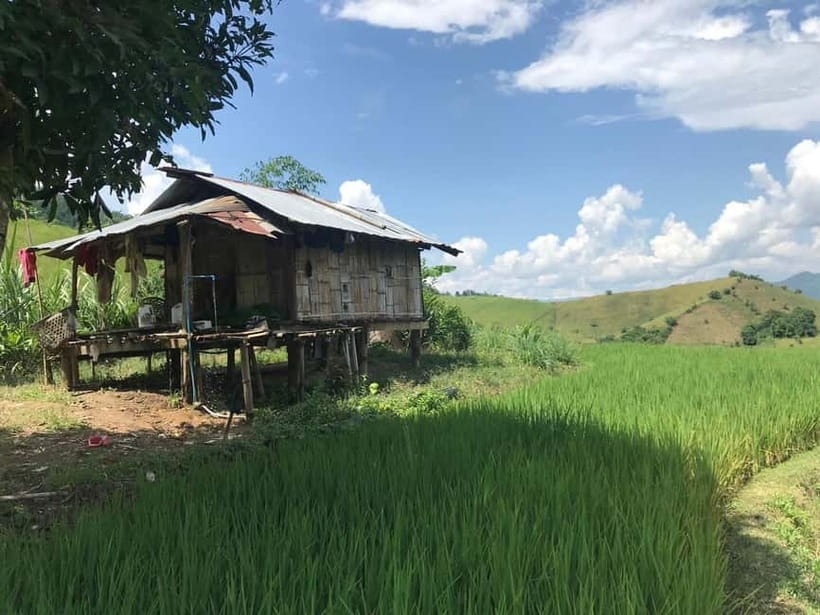
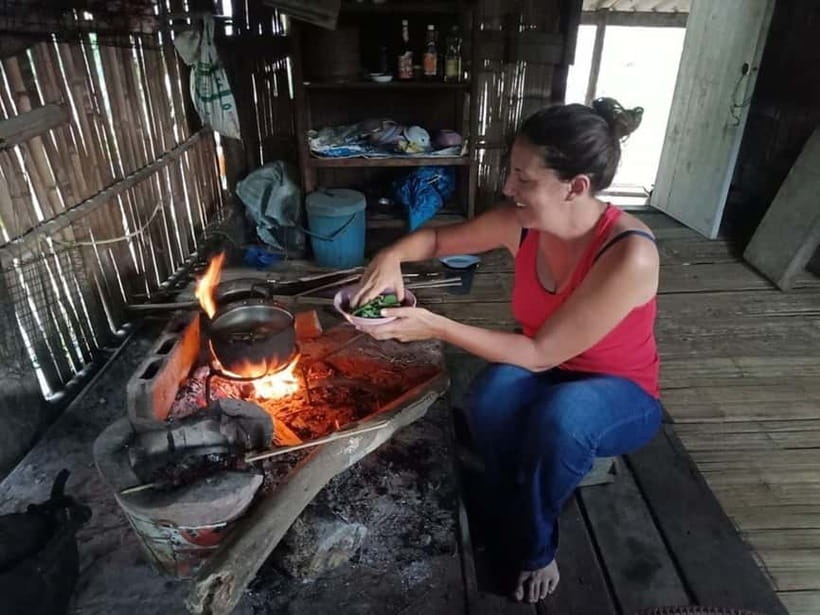
The most distinctive stop is lunch in a hilltribe bamboo hut. You do not simply receive a packaged meal at a restaurant. Instead, you help prepare food with the guide in a traditional kitchen, using firewood rather than LPG.
I like this part because it turns lunch into a useful cultural exchange. You get to see how a basic kitchen works, how food is prepared with limited equipment, and how an ordinary meal can become a shared activity. The guide may also identify plants and ingredients gathered locally, though the exact menu is not specified.
The cooking also breaks up the walk at the right time. Five hours on a forest route can feel long if there is no proper pause. Here, you have a hands-on stop and a meal in a village setting before continuing.
Bring an open mind, but keep expectations realistic. This is a traditional village cooking activity, not a polished Thai cooking school with individual workstations and printed recipes. You are paying for contact with a working rural setting and the chance to take part, not for a formal culinary class.
The Chinese village and its tea fields
After the Lisu section and lunch, the route continues to a Chinese village and tea plantation. The tea fields give this portion of the walk a different look from the bamboo forest and hill paths.
The countryside also includes farms growing pineapple, rice, coffee, and chocolate, according to the route details. You may taste freshly picked fruit, leaves, or spices when the guide finds suitable plants along the way. This is one of the tour’s strongest features for anyone interested in food and agriculture.
The word Chinese here refers to the village community included in the route. The activity information does not provide a detailed account of the community’s background, so you should treat the stop as a chance to observe the tea-growing area and ask your guide about local life rather than expect a formal cultural presentation.
The walk through working farmland is valuable because it shows northern Thailand as a productive rural region, not just a pretty backdrop. You see how daily life is linked to crops and terrain. If the weather is clear, the open sections should also provide some of the day’s best views, though no exact viewpoint is promised.
Same region, a different set of falls:
- Chiang Mai: Elephant Sanctuary, Waterfall & Bamboo Rafting
★ 4.9 · 9,160 reviews - Chiang Mai: Elephant Sanctuary & Waterfall Group Tour
★ 4.9 · 5,780 reviews - Chiang Mai: Elephant Sanctuary, Long Neck & Sticky Waterfall
★ 4.9 · 2,262 reviews - Doi Inthanon Waterfall and Royal Project Chiang Mai
★ 5.0 · 1,735 reviews
Huay Kaew Waterfall and the welcome swim
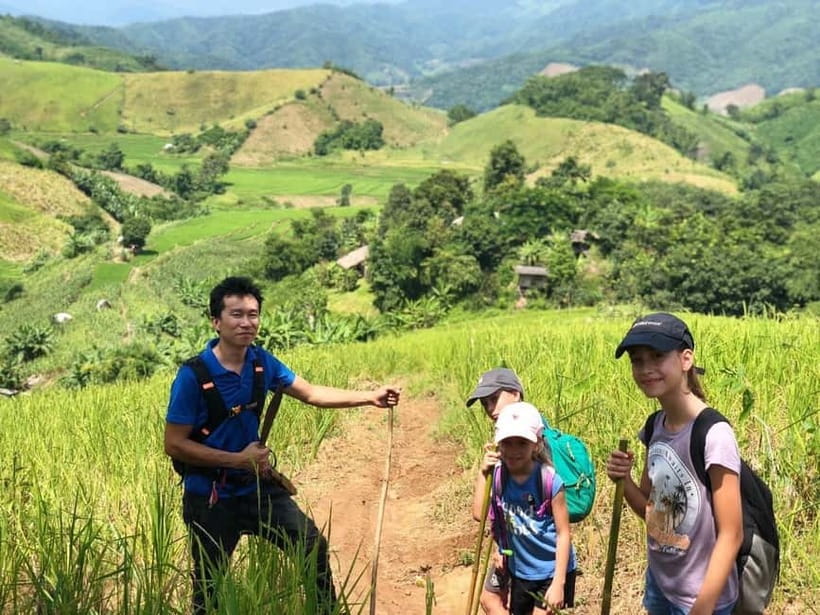
The route then reaches Huay Kaew Waterfall, described as the second-largest waterfall in Chiang Rai. This is the natural high point of the day, especially if the heat has built during the morning walk.
You can swim here, so pack swimwear and a towel or quick-drying layer. The stop is not only scenic. It gives your legs a genuine rest and lets you cool down before the route continues toward the Akha and Lahu areas.
The time available for swimming is not specified, and water conditions can vary. Do not assume you will have a long pool session. Still, the combination of a forest walk and a waterfall swim is a strong reason to choose this tour over a village visit by vehicle.
Bring a waterproof bag for valuables and a full change of clothes. The official packing advice includes swimwear and extra clothing, and both are sensible. Wet clothes are unpleasant on a later uphill section and during the ride back.
Akha farms, open countryside, and Lahu village life
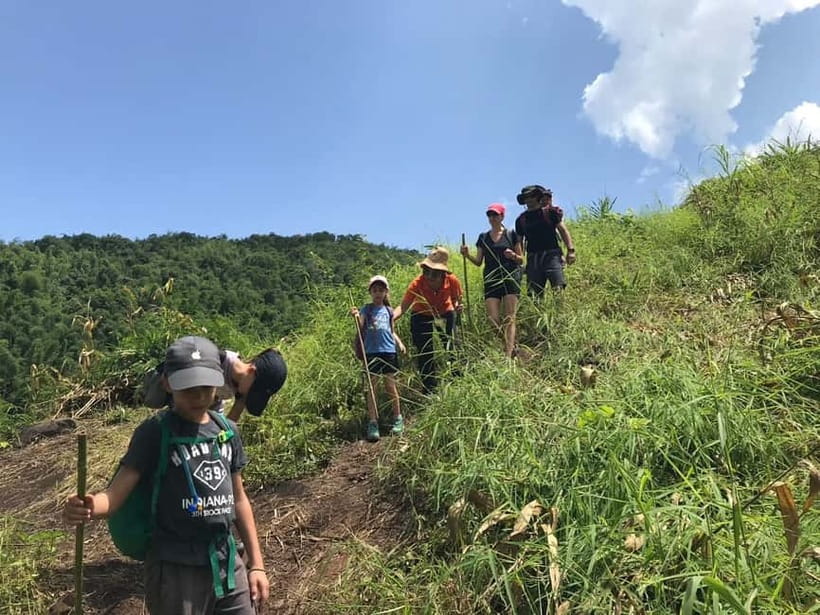
After the waterfall, the trail continues to Akha farmland and then to a Lahu village. This later section adds more open rural scenery after the enclosed forest and waterfall.
The route is designed to show the links between communities and agriculture. You may walk through fields, see changing crops, and watch the countryside shift from forest to cultivated land. The guide can explain village customs and ways of life, which helps turn the walk into something more than sightseeing.
I would approach this part with respect and patience. These are communities where people live and work, not themed attractions built for a tour. Follow your guide’s lead about where to walk and what is appropriate to photograph. The supplied information does not promise a particular ceremony, performance, or shopping stop, so do not book this expecting staged entertainment.
The Akha and Lahu sections also come late in the day, when tiredness may affect your attention. Pace yourself from the start. It is better to walk steadily and enjoy the details than to rush early and struggle on the final hills.
A mineral bath before the ride home
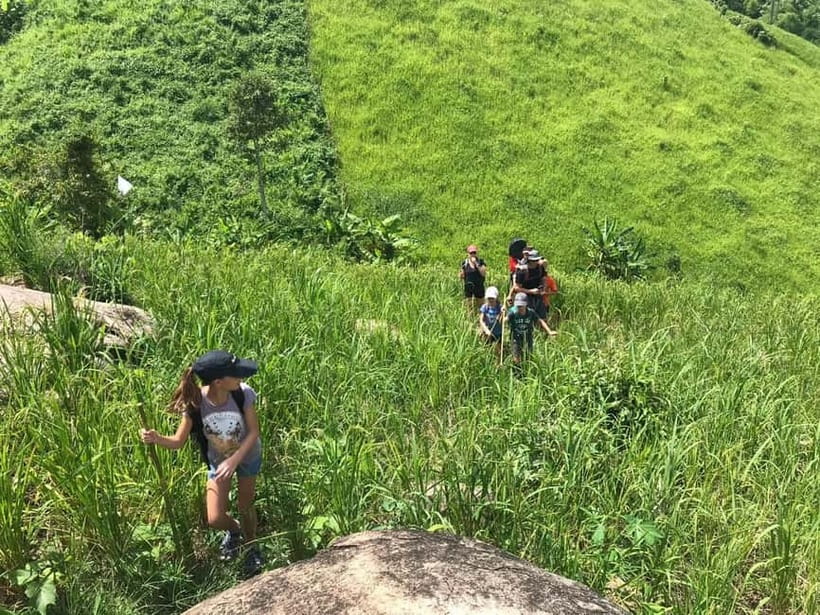
The tour returns to the hot spring area after the village and farm sections. You can take a mineral hot bath before the car brings you back to your Chiang Rai hotel.
This ending makes practical sense. A warm soak can feel good after several hours on uneven ground, and it gives the day a quiet finish. The hot spring is not a substitute for the waterfall swim. The waterfall is the cooling break, while the spring is the final rest stop.
The timing of the bath is not stated, so you should not expect a spa treatment or a long private soak. Think of it as a simple mineral hot spring stop included in the route. Bring modest swimwear and your change of clothes.
The car then returns you to Chiang Rai. Pickup and drop-off are included for hotels within the stated service area. If you are staying outside that radius, contact the provider before booking.
How difficult is the 10-kilometer walk?
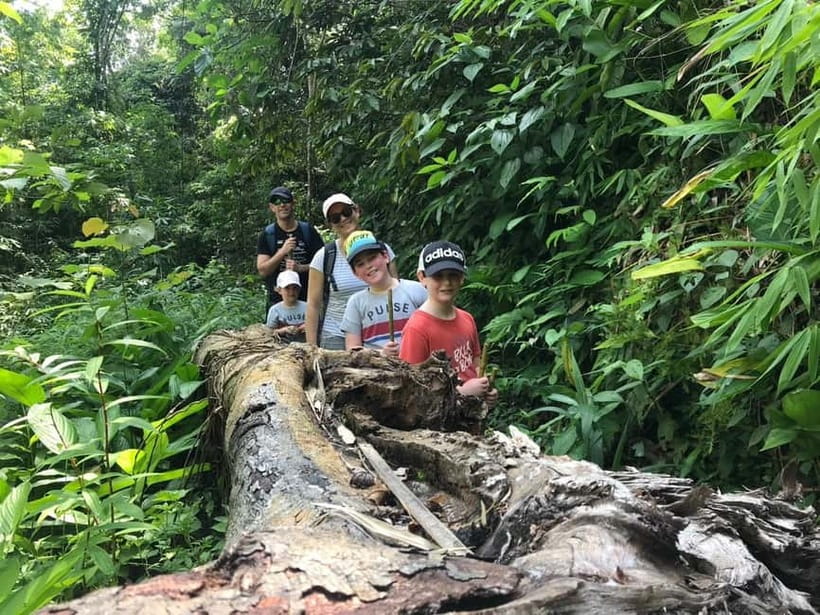
The walking is manageable for active people, but the distance and terrain should be taken seriously. The tour information estimates about five hours of walking, and the full day may last around eight hours once transport, lunch, stops, and the hot spring are included.
You will encounter steep uphill sections and uneven paths. There are no claims that the trail is paved, flat, or suitable for wheelchairs. The tour is not suitable for children under 10, wheelchair users, or people over 70.
That age guidance is broad, so fitness matters more than the number alone. A fit older person may find the route comfortable, while a younger person unused to long walks may struggle. If you have knee, balance, or mobility problems, this is not the right Chiang Rai outing.
The practical kit is simple:
- Hat and sun protection
- Insect repellent
- Water
- Swimwear
- A complete change of clothes
- Firm walking shoes
Drinking water is included, but carrying a personal bottle remains useful. Alcohol and drugs are not allowed, and pets cannot join the tour.
The guide makes the difference
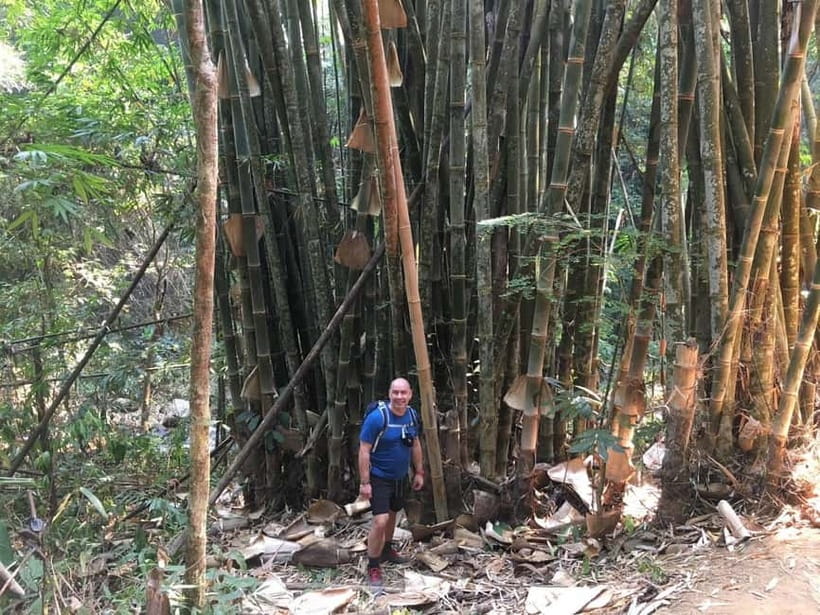
The English-speaking guide is central to the quality of this outing. The guide explains plants, animals, herbs, local customs, village life, and farming. That turns a walk through greenery into a lesson in how people use the forest and land around them.
The guide also helps with the cooking activity and manages the transitions between the villages, waterfall, farms, and hot spring. Several specific strengths come through in the experience: a friendly manner, care for participants, humor, and respect for local communities.
No guide name is provided, so I would not book this expecting a particular named host. Instead, ask for the guide’s name and confirm the pickup details after booking. One practical issue to watch is timing. The scheduled pickup window can be broad, and a delay of roughly 15 minutes was reported, with a much longer wait outside. Keep your phone available and allow extra patience during pickup.
Is $82 good value?
At $82 per person, the price is reasonable if you want a full day of guided walking rather than a single attraction. The fee includes transport, an English-speaking guide, lunch, drinking water, and travel insurance.
You are getting several elements in one package: a return ride from Chiang Rai, roughly five hours of walking, four village areas, a tea plantation, farmland, a waterfall swim, a bamboo cooking activity, and a hot spring bath. Paying separately for transport, a guide, lunch, and entry or access costs could quickly reduce the difference.
The value depends on your priorities. If you want polished facilities, a short itinerary, or a private vehicle with flexible stops, $82 may feel high. If you want a small-group route with local food preparation and plenty of time on foot, the price is easier to justify.
Other expenses are not included, so bring money for anything outside the listed services. No specific extra fees are stated.
Who should book this Chiang Rai trek?
I would choose this tour if you enjoy active days, rural food, plant life, and direct contact with local communities. It is a good match for couples, friends, and solo visitors who want to meet a small group and are comfortable walking for hours.
It is also a strong option if you have already seen Chiang Rai’s main temples and want something outdoors. The route gives you a different view of the province, with farms, forest, village paths, and water rather than city sights.
I would skip it if you want air-conditioned sightseeing, an easy walk, or a tightly timed schedule. I would also avoid it if you dislike getting wet, eating in simple settings, or walking on rough ground.
The route’s best qualities are its variety and human scale. You cook lunch instead of just photographing a village, learn about plants instead of merely passing through forest, and finish with both a waterfall and a hot spring. Its main weakness is the physical demand and the possibility of loose pickup timing.
Should you book it?
Book this Chiang Rai trek if you want a genuinely active day with village cooking, forest walking, and four hilltribe communities in one route. The guide’s plant knowledge and connection with local people add much more than basic transport and sightseeing.
Think twice if 10 kilometers, steep ground, and an eight-hour day sound tiring. For fit walkers who want northern Thailand beyond the usual stops, the combination of bamboo-kitchen lunch, tea fields, Huay Kaew Waterfall, and a hot spring makes this a strong-value choice at $82.
FAQ
Where does the tour start and finish?
The tour starts in Chiang Rai and ends back in Chiang Rai, with transportation included from the hotel pickup area.
Which villages are included?
The walking route includes Lisu, Chinese, Akha, and Lahu hilltribe villages or village areas.
How long is the walking portion?
The total walking time is around five hours. The route is approximately 10 kilometers and includes some steep uphill sections and uneven paths.
Is lunch included?
Yes. Lunch is included and is prepared in a hilltribe bamboo hut using a traditional firewood cooking method rather than LPG.
Can I swim during the tour?
Yes. You can swim at Huay Kaew Waterfall, described as the second-largest waterfall in Chiang Rai. Bring swimwear and a change of clothes.
Is a hot spring visit included?
Yes. The route returns to the hot spring area, where you can take a mineral hot bath before returning to Chiang Rai.
What should I bring?
Bring a hat, swimwear, a change of clothes, water, and insect repellent. Firm walking shoes are also sensible for the uneven trail.
Is the tour suitable for children or wheelchair users?
The tour is not suitable for children under 10 or wheelchair users. It is also not recommended for people over 70 because of the distance and uneven terrain.
Is hotel pickup available outside Chiang Rai?
Pickup and return are arranged from Chiang Rai. If you stay outside the stated pickup radius, contact the provider directly before booking to confirm possible arrangements.
More Waterfall Walks in Thailand
- Chiang Mai Untouched Elephant: Nature Walk & Waterfall Trek
★ 4.7 · 77 reviews - Chiang Rai: 2-Day Jungle Trek only walk with Waterfall
★ 4.8 · 17 reviews - From Sydney: Blue Mountains Tour with Waterfall Walk & Lunch
★ 4.8 · 2,400 reviews - Krka Waterfalls tour with Trogir Walking tour and Krka panoramic boat cruise
★ 5.0 · 1,659 reviews
Newest waterfall trips we have reviewed in Thailand
- Trek to a Jungle Waterfall★ 5.0 · 14 reviews
- Waterfall Wanderer Doi Inthanon Hiking Tour★ 5.0 · 15 reviews
- Private tour] Perfect day! Sticky waterfall + ChiangDao Cave + Wat BandenTemple★ 4.5 · 6 reviews
- Sticky Waterfall Cycling Tour★ 5.0 · 68 reviews
- Sticky Waterfalls Private Half Day Fun Escapades★ 4.5 · 8 reviews
- Private Tour: Bua Thong Sticky Waterfalls Tour★ 5.0 · 8 reviews
- ChiangMai 1DayTour:Elephant Sanctuary,king&queen pagoda,waterfall★ 5.0 · 23 reviews
- Private Doi Suthep Temple Handicraft Center and Sticky Waterfall★ 5.0 · 9 reviews
Waterfall Hikes, compared.
Multnomah Falls and Columbia River Gorge Half-Day Hiking Tour
Read our review →
Ouzoud Waterfalls Guided Hike and Boat Trip from Marrakech
Read our review →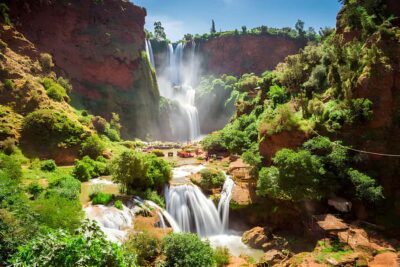
Ouzoud Waterfalls Trip with Hike & Boat Option
Read our review →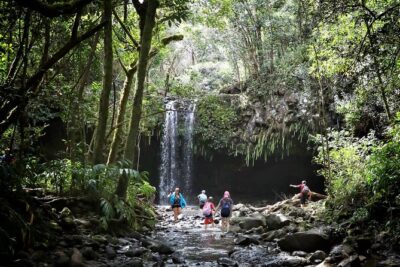
Small Group Waterfall and Rainforest Hiking Adventure on Maui
Read our review →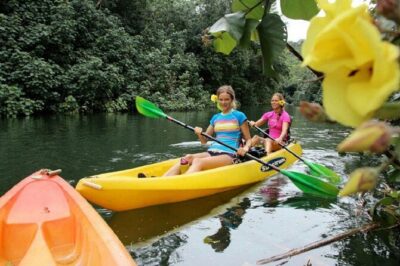

Rovaniemi: Korouoma Canyon Frozen Waterfalls Hike & BBQ
Read our review →
Kauai Adventure: Kayak & Hike to Secret Falls with Expert Guide
Read our review →Browse the lists this tour appears in