
Review · CHIANG MAI WATERFALL TOURS
Chiang Mai: Full Day Ethical Elephant Sanctuary & Waterfall
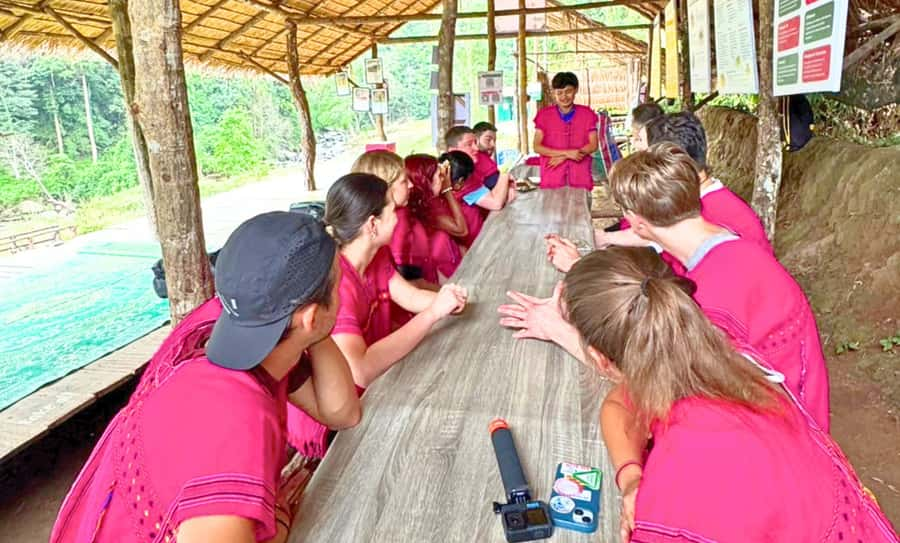
The best part of this Chiang Mai day is the chance to watch elephants behave freely, rather than rush through a short photo stop. You prepare food, feed the animals, see them forage, observe mud bathing, and learn how caretakers support their health. I like the hands-on herbal medicine ball activity, and I like that the day includes quiet time by a waterfall with tea. The main drawback is the long, curving van ride, plus a fairly light lunch according to one report.
I also like the clear focus on observation and care. You do not ride the elephants, and the program does not center on tricks or performances. Just keep your expectations in check: the closest contact is feeding and caretaking, not unlimited touching or bathing with the animals.
Key details before you book
- Elephants set the pace: You watch them walk, forage, and behave in their usual setting rather than follow a tightly staged show.
- Medicine balls are part of the lesson: You make herbal balls for the elephants, turning a simple activity into a practical look at animal care.
- The waterfall is a real pause: Tea, sightseeing, a walk, and elephant observation break up the active morning.
- Pickup saves time: Round-trip minivan service covers accommodations within 5 km of Chiang Mai’s Old City.
- The ride takes three hours total: Allow about 1.5 hours each way, with winding roads into Mae Wang District.
- The price covers the basics: At $70 per person, lunch, water, elephant food, insurance, a towel, guide service, and transfers are included.
Why the elephant encounter feels more responsible
Elephant tourism in Thailand can be confusing. A sign saying ethical does not tell you enough by itself. Here, the useful detail is what you actually do: prepare food, feed elephants, watch them walk and forage, help plant food, learn about health checks, and make herbal medicine balls.
That gives you a better sense of the daily work involved in keeping elephants healthy. You are not simply handed a basket of bananas and sent away with a photograph. The program connects feeding with broader caretaking tasks, which I find more meaningful.
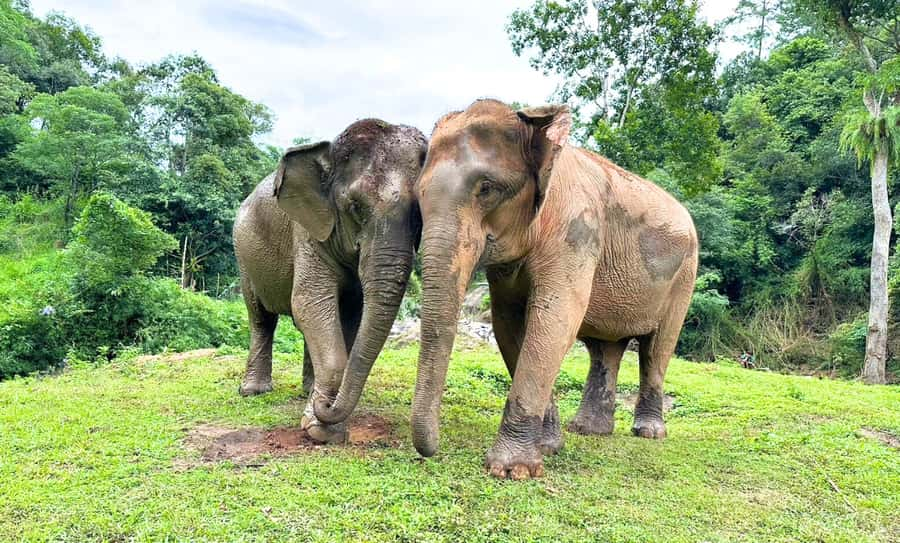
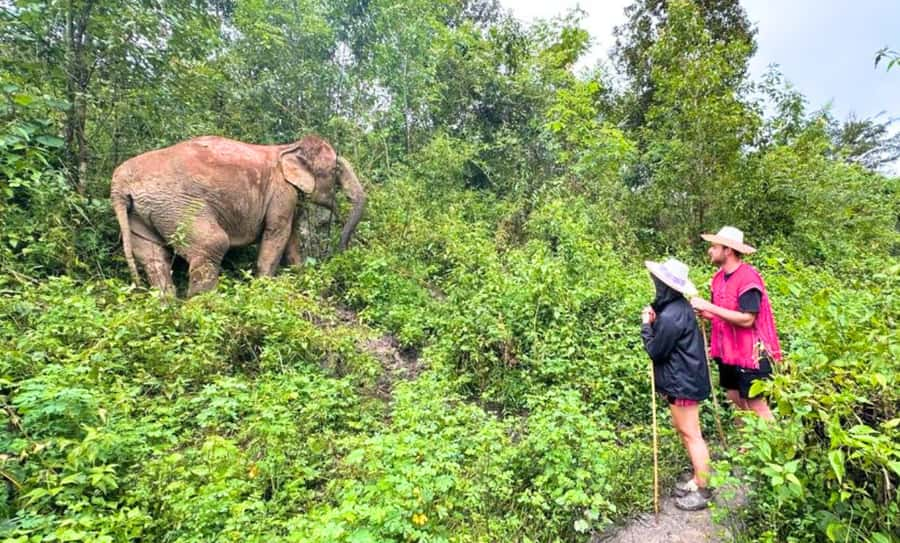
The strongest point is the emphasis on observation. You may see elephants moving through the jungle area, feeding themselves, or enjoying a mud bath. The schedule allows time to watch rather than constantly pose beside them. That matters because elephant behavior is the main attraction, not just elephant contact.
Still, be precise about the experience. The available information supports feeding, observing, and care activities. It does not promise riding, swimming with elephants, or extended hands-on bathing. One account described the contact as being close to the elephants but mainly feeding them. If you want a highly interactive animal encounter, you may find this program restrained. If you prefer a calmer visit, that restraint is a benefit.
More Full-Day Trips in Chiang Mai:
- The Best Full Day Tour: Doi Suthep, Wat Phalat, Sticky Waterfall
★ 5.0 · 35 reviews - Full-day with CHIANGMAI ELEPHANT CARE and Sticky waterfall
★ 5.0 · 22 reviews - Full Day Chiang Mai Zipline Adventure, Rafting, ATV-ing, and Sticky Waterfall
★ 3.5 · 9 reviews
The 1.5-hour ride from Chiang Mai
Your day begins with pickup in Mueang Chiang Mai District. The minivan service covers hotels and other accommodations within a 5 km radius of the Old City, so check your address before booking. If you are staying farther out, the stated pickup service may not apply.
The drive to Mae Wang District takes about 1.5 hours. This is not a quick suburban outing. The road has many curves, and one person specifically advised drivers to use more caution, reduce speed, and avoid passing on two-way roads. I would treat the ride as part of the cost of reaching a quieter rural setting, but anyone prone to motion sickness should prepare.
Bring water if you prefer a particular brand or temperature, though water is included. A small snack is also sensible. One person found lunch too limited and was glad to have brought extra food. The return ride takes another 1.5 hours, so this is a full day from hotel pickup to drop-off, not nine hours spent entirely with elephants.
The transport is useful for visitors who do not want to arrange a separate car or navigate rural roads. It also keeps the price easier to judge, since transfers can add up quickly in Chiang Mai. The tradeoff is a fixed schedule and shared minivan travel. The group size is not provided, so you should not book expecting a private tour.
Morning in Mae Wang: food, feeding, and elephant behavior
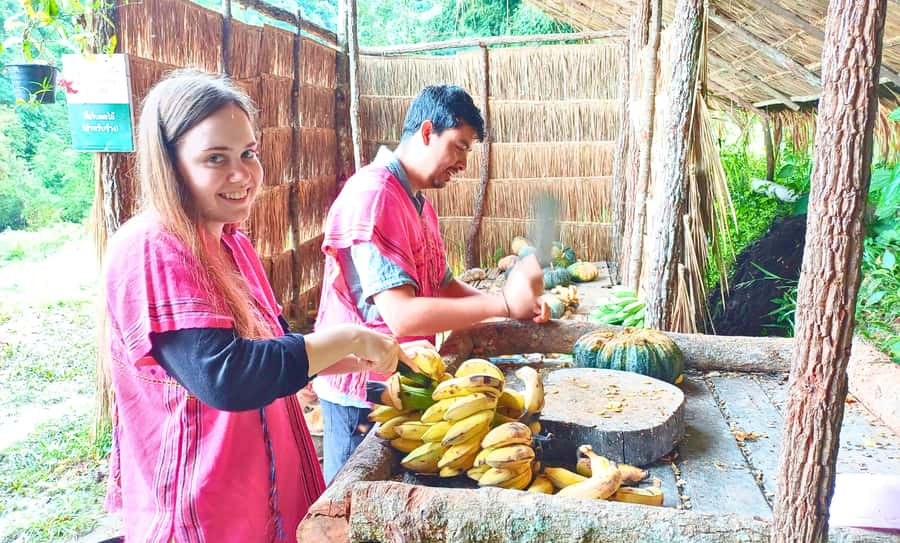
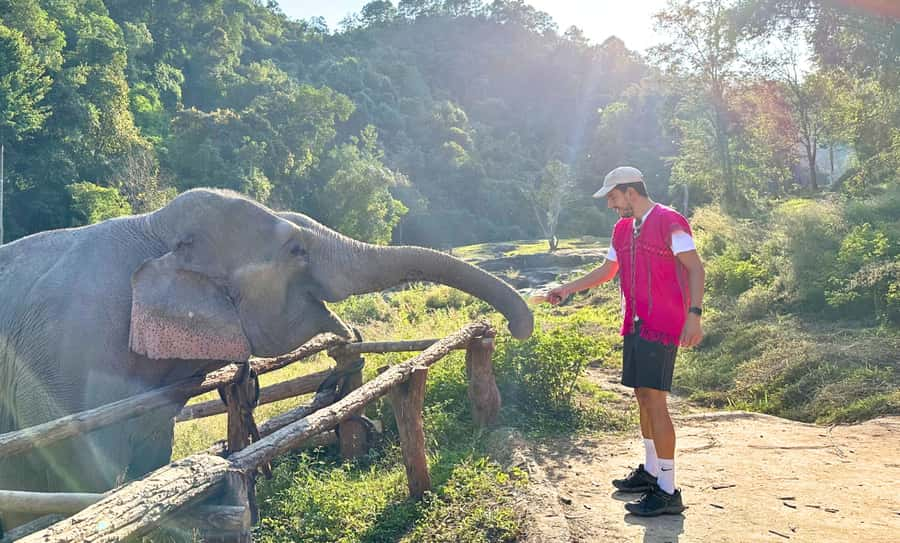
Once you reach the sanctuary area, the program gives you about 2.5 hours for the morning visit. The first tasks involve preparing elephant food and feeding the animals. This is likely to be the most direct contact of the day, so it is the part to anticipate if you want a close look at the elephants.
Feeding is easy to understand, but the surrounding explanation gives it more value. You learn what the animals eat, how food is prepared, and how caretakers support them. The guides speak English and explain the elephants’ behavior and care throughout the program.
The schedule also includes wildlife viewing. Instead of moving from one artificial station to another, you watch the elephants as they walk and forage in the jungle area. That can be less predictable than a staged show, but it also gives you a more honest view of their daily behavior. Bring patience. An elephant may be impressive even when it is doing something as ordinary as eating leaves or walking away from the group.
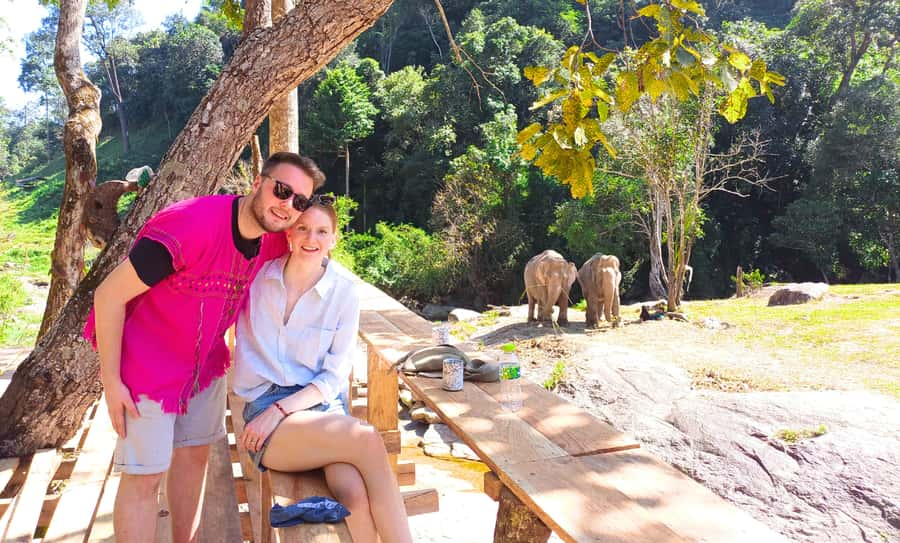
A strong part of the visit is the chance to observe without needing to force interaction. You may see the elephants near the waterfall later in the day, and one account described watching them during a mud bath. You should see that as a possible observation, not a guaranteed scheduled activity.
The sanctuary describes its work as ethical tourism through elephant observation programs. The practical signs of that approach are the absence of riding or performances in the listed activities, along with the focus on free movement, food, planting, health, and observation. I would still encourage you to listen closely to the guide’s instructions and avoid reaching toward an elephant unless invited.
Lunch, tea, and a waterfall break
Lunch lasts about 30 minutes. That is enough time for a straightforward meal, but it is not a long restaurant stop. Food is included, and one person described it as good, while another found the portion too small. My advice is simple: eat breakfast and carry a snack, especially if you have dietary needs or expect a late return to Chiang Mai.
After lunch, the day continues for about 2.5 hours with tea, a guided walk, sightseeing, wildlife viewing, and a workshop. The waterfall gives the schedule a welcome change of pace. You can take a break, enjoy herbal tea, and watch the surroundings rather than spend every minute in an activity.
Swimming appears in the suggested packing list through the request for swimwear, but the supplied details do not clearly promise swimming at the waterfall. Bring swimwear if you want the option, and bring a change of clothes and sandals. Do not assume the schedule is built around a swim.
The waterfall section also helps explain why this is a full-day outing rather than a short animal visit. You get time in a natural setting, a chance to cool down, and a slower interval between the animal-care activities. The towel included in the price is useful here, though you should still pack practical clothing and footwear.
More Waterfall Tours in Chiang Mai:
- Chiang Mai: Elephant Sanctuary, Waterfall & Bamboo Rafting
★ 4.9 · 9,160 reviews - Chiang Mai: Elephant Sanctuary & Waterfall Group Tour
★ 4.9 · 5,780 reviews - Chiang Mai: Elephant Sanctuary, Long Neck & Sticky Waterfall
★ 4.9 · 2,262 reviews - Doi Inthanon Waterfall and Royal Project Chiang Mai
★ 5.0 · 1,735 reviews
Making herbal medicine balls for elephants
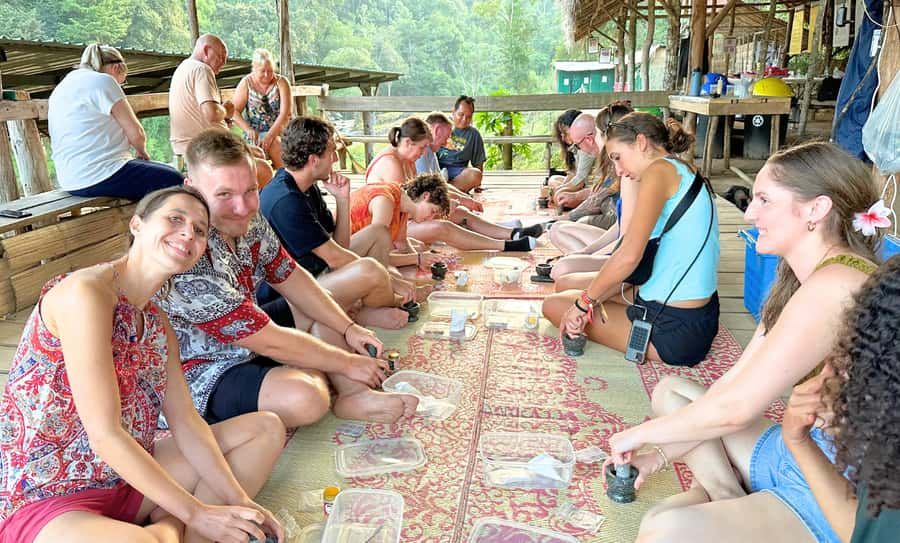
The herbal medicine ball workshop is one of the most distinctive parts of the program. You learn to combine herbs into a ball that can be fed to the elephants. It is a simple craft, but it shows how traditional ingredients can be part of animal care.
The activity has value beyond the souvenir factor. You are not only looking at an elephant from a few feet away. You are learning one small piece of the work done by the people responsible for its daily well-being. One person also made a breathing inhaler during the visit and was pleased after nearly buying a similar product in a shop the previous day.
That detail suggests the workshop may connect with local Thai herbal traditions as well as elephant care. Still, the exact ingredients and method are not specified, so I would not book this expecting a formal herbal medicine class. Think of it as a short, practical workshop within a broader sanctuary day.
You also take part in planting food and learning about basic health checks. These tasks are valuable because they shift the focus from spectacle to upkeep. Elephants need food, space, monitoring, and people willing to do ordinary work every day. This program lets you see some of that work in a visitor-friendly form.
A Thai handmade souvenir
The day includes a chance to craft your own Thai cultural handmade souvenir. This is a pleasant way to finish the active part of the visit, particularly if you prefer taking home something you made instead of another mass-produced item.
The precise craft is not identified, so I would not promise a particular object. The important point is that the workshop adds a local cultural element to an animal-focused day. It gives you something memorable without making the whole visit about shopping.
The souvenir activity also suits families and people who enjoy making things. Young children may need help with the craft, and anyone expecting a long period of elephant observation should know that the afternoon includes several different activities rather than one continuous wildlife session.
Is $70 good value for a full day?
At $70 per person, this is not the cheapest possible elephant outing in Chiang Mai. But the price includes a nine-hour schedule, hotel pickup and drop-off within the stated area, a guide, lunch, water, elephant food and snacks, insurance, and a towel.
The transport alone makes the cost easier to justify. You avoid arranging a private vehicle for a rural round trip, and the drive covers about three hours of the day. The program also includes several kinds of activity: feeding, observation, caretaking lessons, the herbal medicine ball workshop, tea, a waterfall break, and a handmade souvenir.
Value depends on what you want from an elephant visit. If you mainly want a short photo opportunity, nine hours and $70 may feel like too much. If you want a full day with animal care, nature, transport, and cultural activities, the price is reasonable.
I would also factor in the lunch limitation. Carrying snacks costs little and protects you from being hungry during the return drive. If you have allergies, bring your own medication, as specifically advised. The tour does not list special meal arrangements, so contact the provider before booking if food restrictions matter.
What to pack for the jungle day
Wear comfortable shoes for walking around the sanctuary and waterfall area. Sandals can be useful for wet conditions, but they should not replace secure footwear if the ground is uneven.
Pack swimwear and a change of clothes, even though swimming is not clearly promised. Sunscreen and insect repellent are essential practical items for a day outdoors. The sanctuary provides water and a towel, but you may prefer your own towel or extra layer for the van ride.
Bring snacks because lunch is only 30 minutes and portions may not satisfy everyone. If you need allergy medication, carry your own supply. Pets are not allowed, and explosive substances are prohibited, though the latter should not affect a normal sightseeing visit.
This activity is not suitable for wheelchair users. The walking, rural setting, van transfer, and waterfall stop may be difficult for anyone who needs fully accessible transport or paths. Ask the provider directly about any mobility concern before reserving.
Who will enjoy this experience most?
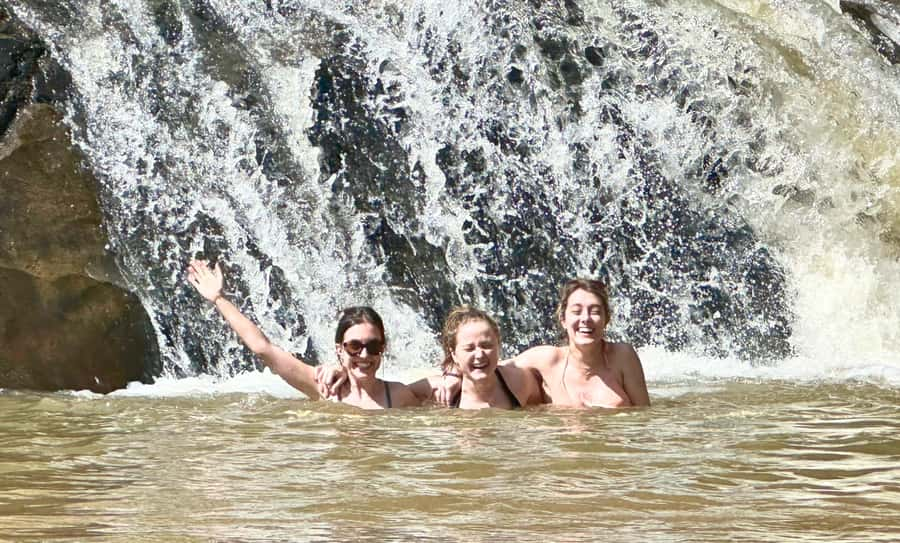
I would choose this program if you want to see elephants in a calmer setting and learn about their care. It suits people who value observation, animal welfare, and a full day outside more than quick contact or staged entertainment.
It also works well for visitors who want several experiences in one booking. You get a rural drive, elephant feeding, wildlife viewing, a waterfall break, herbal tea, a workshop, lunch, and a handmade Thai souvenir.
Families may appreciate the range of activities, though the long drive and winding road could test young children. People with motion sickness should plan carefully. Anyone who wants a private experience should also ask about group size, since the available details only confirm shared minivan transport.
I would not pick it if your main goal is swimming with elephants, riding them, or spending the entire day in the water. Those activities are not listed. The program is better for watching, feeding, learning, and helping with basic tasks.
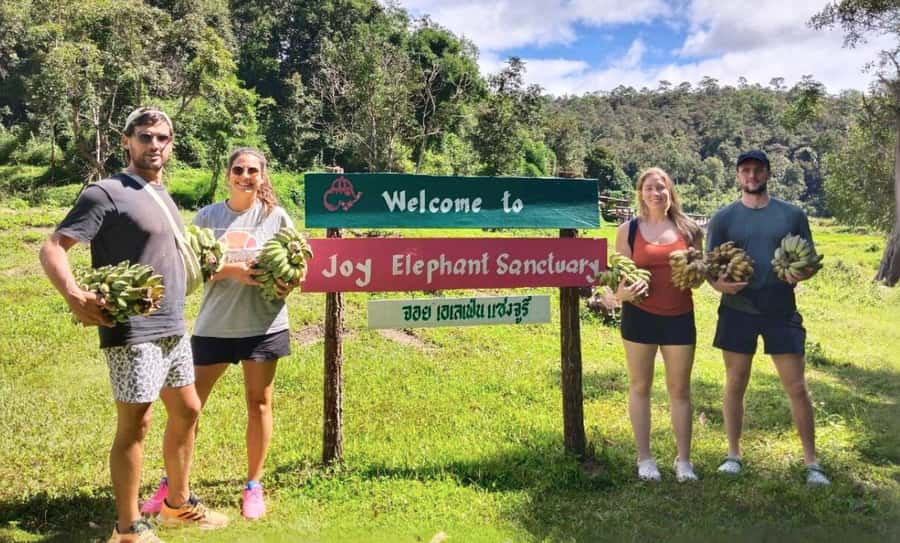
Should you book Joy Elephant Sanctuary?
Book this day if you want a care-focused elephant visit with enough time to observe natural behavior, plus a waterfall and cultural workshop. The strongest reasons are the non-performance format, the medicine ball lesson, and the chance to see elephants walk, forage, and possibly mud bathe.
Think twice if you dislike winding van rides, need a large lunch, or want a short and highly interactive encounter. Bring snacks, comfortable shoes, insect repellent, and a change of clothes. With those expectations in place, the $70 package offers a useful balance of elephant care, rural scenery, and included transport.
FAQ
How long does the Joy Elephant Sanctuary experience last?
The activity lasts nine hours, including about 1.5 hours of transport each way between Chiang Mai and Mae Wang District.
Where does hotel pickup take place?
Round-trip pickup and drop-off are available from accommodations within a 5 km radius of Chiang Mai’s Old City.
What language is the tour conducted in?
The live tour guide speaks English.
Are lunch and drinks included?
Lunch and water are included. Tea is also part of the afternoon program.
What activities can I do with the elephants?
You can prepare food, feed and observe the elephants, watch them walk and forage, help plant food, learn about health checks, and make herbal medicine balls for them.
Can I swim at the waterfall?
Swimwear is listed among the recommended items, but the supplied details do not clearly guarantee swimming at the waterfall.
What should I bring?
Bring comfortable shoes, swimwear, a change of clothes, sandals, sunscreen, insect repellent, and any allergy medication you need. Carrying a snack is also sensible.
Is the tour suitable for wheelchair users?
No. The activity is not suitable for wheelchair users.
Newest waterfall trips we have reviewed in Chiang Mai
- Trek to a Jungle Waterfall★ 5.0 · 14 reviews
- Waterfall Wanderer Doi Inthanon Hiking Tour★ 5.0 · 15 reviews
- Private tour] Perfect day! Sticky waterfall + ChiangDao Cave + Wat BandenTemple★ 4.5 · 6 reviews
- Sticky Waterfall Cycling Tour★ 5.0 · 68 reviews
- Sticky Waterfalls Private Half Day Fun Escapades★ 4.5 · 8 reviews
- Private Tour: Bua Thong Sticky Waterfalls Tour★ 5.0 · 8 reviews
- ChiangMai 1DayTour:Elephant Sanctuary,king&queen pagoda,waterfall★ 5.0 · 23 reviews
- Private Doi Suthep Temple Handicraft Center and Sticky Waterfall★ 5.0 · 9 reviews
Chiang Mai Waterfall Tours, compared.
Elephant Sanctuary, Long Neck & Sticky Waterfall
Read our review →
Doi Inthanon Waterfall and Royal Project Chiang Mai
Read our review →
Sticky Waterfall & Angel Waterfall Park Day Tour
Read our review →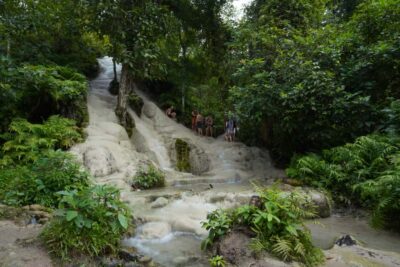
Bua Thong Sticky Waterfall & Huge Cave & Buffet
Read our review →
Chiang Mai Elephant Sanctuary, Bamboo Rafting and Waterfall Tour
Read our review →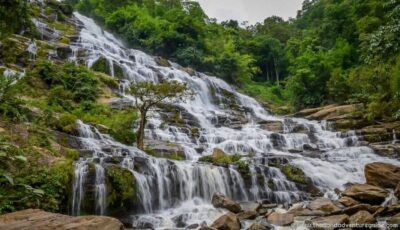
Doi Inthanon, Waterfalls, & Tribal Villages Tour
Read our review →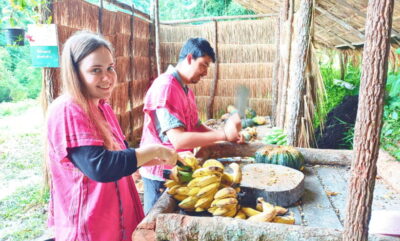
Ethical Half Day Elephant Sanctuary & Waterfall
Read our review →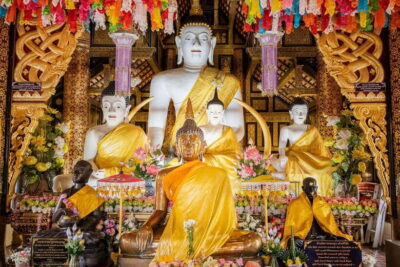
Doi Suthep Temple and Waterfall by Songtaew Trio
Read our review →Browse the lists this tour appears in