
Review · BALI WATERFALL TOURS
Bali: Hidden Canyon, Waterfall & Temples Small Group Tour
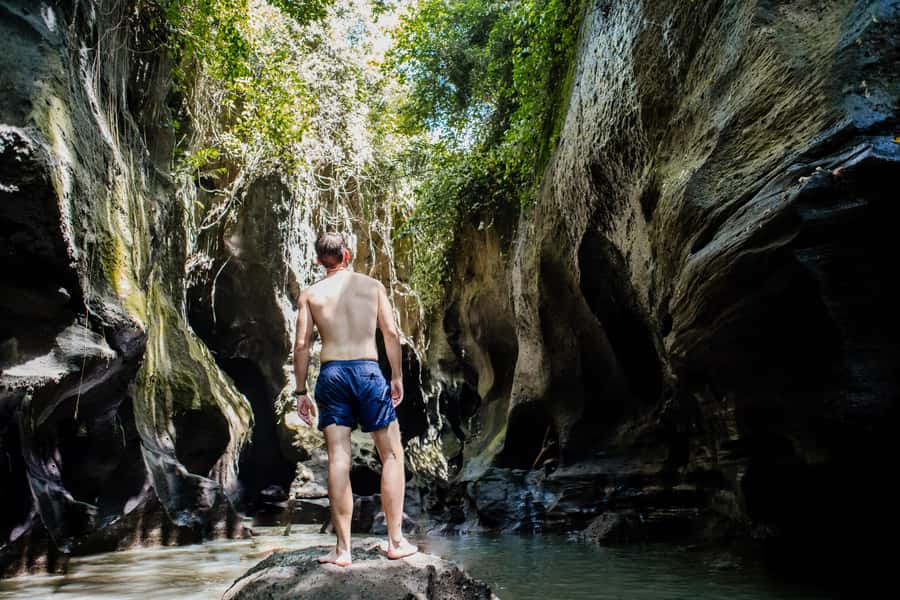
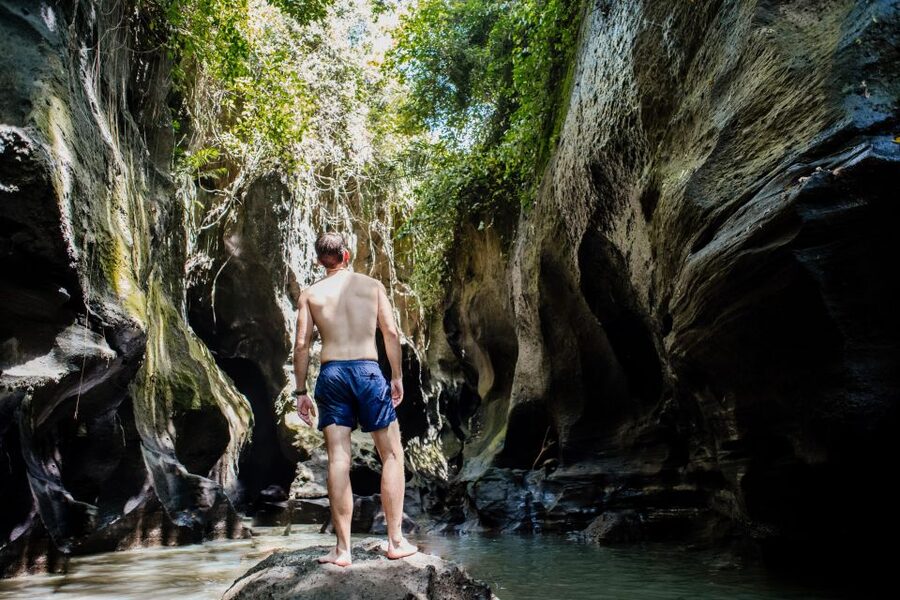
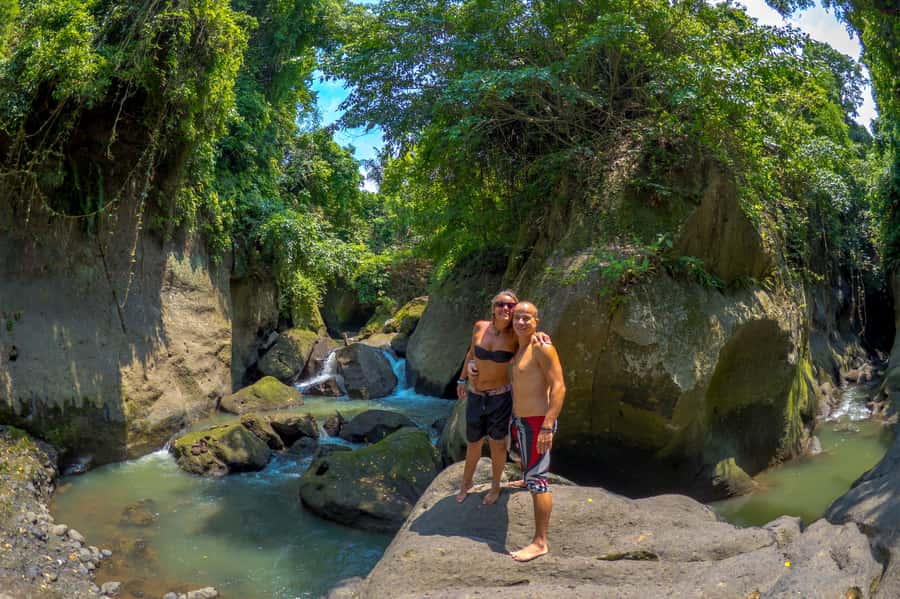
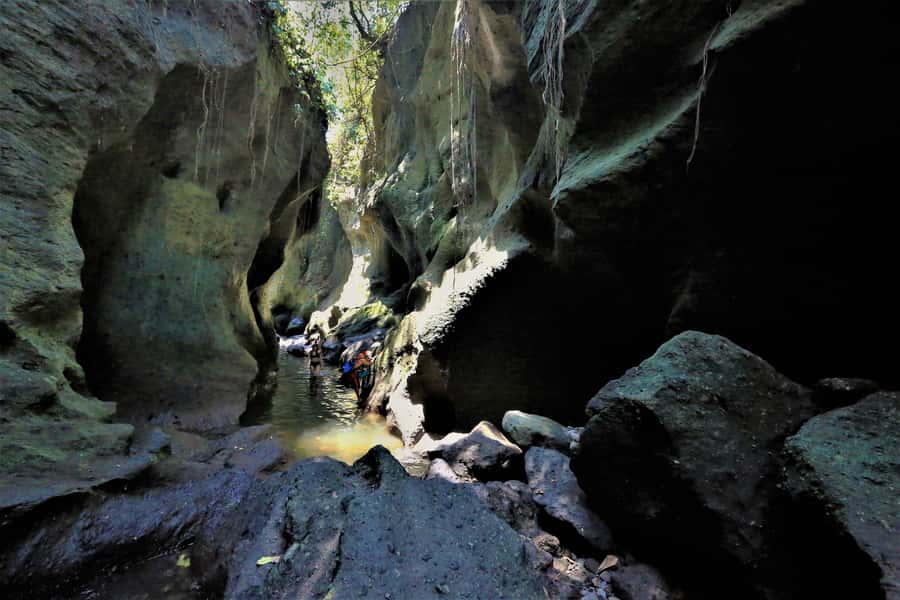
Beji Guwang Hidden Canyon is the reason to book this day. You will go barefoot or wear water shoes, wade and swim between rock walls, scramble over smooth and sharp stones, and follow a local canyon guide through narrow sections. I like the small group limit of five, which keeps the active part personal, and I like the way the day mixes outdoor action with Goa Gajah and Gunung Kawi rather than giving you one more temple-only excursion.
The main caution is that this is not a gentle sightseeing ride. Stronger currents, slippery rocks, climbing, and plenty of steps make the canyon unsuitable for people with mobility, heart, or respiratory problems, and it is not appropriate during pregnancy. Tegenungan can also be crowded, and rain may make its water too dirty for swimming.
Key points to know before booking
- The canyon is the physical highlight: Expect swimming, climbing, slippery rocks, and a guide who helps you choose safe footholds.
- Five people maximum: A small group gives you more room for questions, photos, and a flexible pace.
- Four very different stops: You get a wet canyon, a waterfall, an ancient cave temple, and riverside temple monuments.
- Budget extra cash: The standard option does not include lunch or entrance tickets. Listed fees total about IDR 420,000, including the IDR 300,000 Hidden Canyon fee and the three other admissions.
- Wear water shoes: This is the most useful packing tip for the canyon. A short-sleeved shirt and shorts also make sense.
- Expect a long day on Bali roads: Hotel pickup and drop-off cover many resort areas, but traffic and the spread-out pickup points can affect the schedule.
Beji Guwang Hidden Canyon: the day’s real adventure
The tour begins with hotel pickup in areas including Ubud, Kuta, Seminyak, Legian, Sanur, Jimbaran, Nusa Dua, Canggu, Kerobokan, and Uluwatu. You ride in an air-conditioned vehicle, with the driver collecting people from different parts of Bali. The exact pickup time is confirmed the evening before, so keep your phone available.
Once you reach Beji Guwang, the tone changes quickly. This is not a viewpoint where you take two photos and return to the van. You change into swimwear, store belongings in a locker if your selected option includes it, and enter the canyon with a local guide. Welcome drinks and towels are included with the Hidden Canyon options, but check the exact package before assuming they are part of your booking.
The route involves walking in water, swimming at some points, stepping over rocks, and using your hands for balance. The water can feel refreshing, but the stones may be pointed and slick. Several people found the activity more demanding than expected, especially when currents were strong. That is useful information: you should be comfortable in water, but you do not need to treat this like a technical climbing trip. The canyon guide stays close, points out safer routes, and helps you avoid losing your footing.
Water shoes are worth bringing. Mesh shoes with a secure sole protect your feet far better than bare feet or flimsy sandals. Wear a T-shirt rather than a swimsuit alone if you want some protection from rough stone, and bring dry clothes for the rest of the day. Oversize luggage is not allowed, so pack lightly.
The small group format matters most here. With no more than five participants, the guide can slow down for photos, offer a hand at tricky sections, and keep the group together. Guides also take pictures, a welcome help when both of your hands are busy. If you are alone, the setup can still work well, since the driver and canyon guide provide practical support throughout.
You should know your limits. This portion is not suitable for pregnant people, those with mobility impairments, or anyone with heart or respiratory problems. Children must be at least seven, but age alone does not tell you if a child is ready for slippery rocks and swimming. Confident swimmers and active families are the best match.
More Waterfall Tours in Bali:
- Ubud: Waterfall, Rice Terraces & Monkey Forest Private Tour
★ 4.9 · 4,894 reviews - Ubud: Spectacular Waterfalls Tour
★ 4.9 · 1,066 reviews - Ubud: Rice Terrace, Waterfall, & Elephant Cave
★ 4.9 · 862 reviews
Tegenungan Waterfall and more than 100 steps
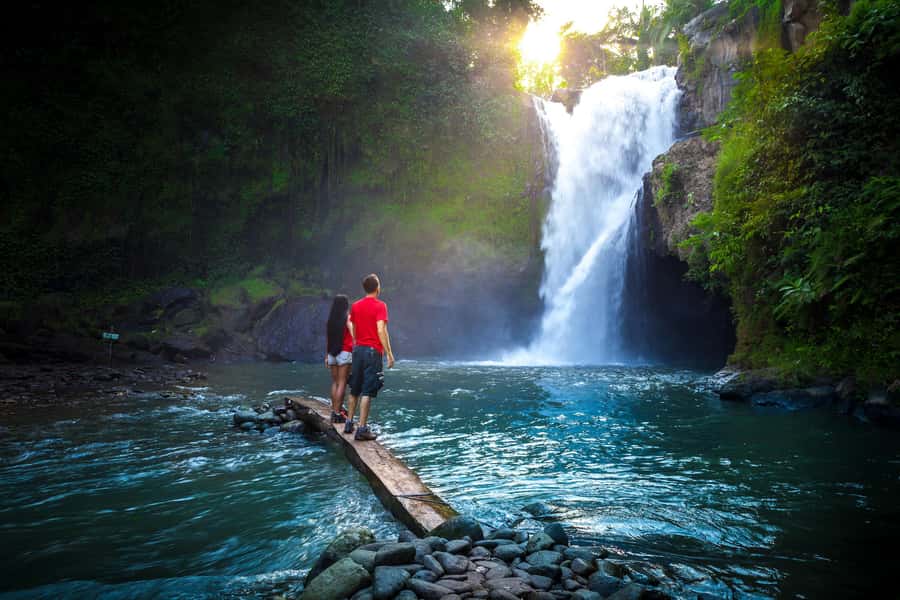
After the canyon, the tour continues to Tegenungan Waterfall, a short distance from Ubud. You walk down more than 100 steps to reach the area near the falls. That descent is manageable for many people, but remember that you must climb back up, often after already spending two and a half hours in the canyon.
Tegenungan is photogenic and easy to understand as a Bali stop: falling water, forested surroundings, and a chance to get close to one of the island’s best-known waterfalls. It gives the day a slower visual break after the canyon’s physical effort.
Crowds are the trade-off. This is a popular stop, and the waterfall may feel much busier than Beji Guwang. After heavy rain, the water can also turn muddy, and swimming may not be allowed or pleasant. Treat the waterfall as a scenic visit rather than counting on a swim.
The guide can help you manage the timing, and the small group makes it easier to pause for photos without losing people. Wear shoes with a good grip for the steps, and keep sunscreen, insect repellent, a hat, and water close by.
Lunch is simple, local, and not included
The schedule includes a break at a local restaurant, but meals are not part of the $73 price. Bring cash for lunch, drinks, and entrance fees. One previous stop included nasi goreng, so a straightforward Indonesian meal is possible, though the exact restaurant and menu are not specified.
This arrangement keeps the tour price from rising with a fixed meal, but it means your final cost will be higher than the headline price. If you choose the Standard Small Group Tour, the stated entrance fees are separate. The listed admissions are:
- Beji Guwang Hidden Canyon: IDR 300,000, including entry and guide
- Tegenungan Waterfall: IDR 20,000
- Goa Gajah: IDR 50,000
- Gunung Kawi: IDR 50,000
That adds up to about IDR 420,000 per person before lunch. Some booking options include entry tickets and Hidden Canyon fees, so read the selected option carefully. The price is still fair if you value hotel transfers, a private-feeling group, an air-conditioned vehicle, and guided help in the canyon. It is less attractive if you mainly want temple visits and do not plan to take part in the wet, active section.
Goa Gajah, the Elephant Cave near Ubud
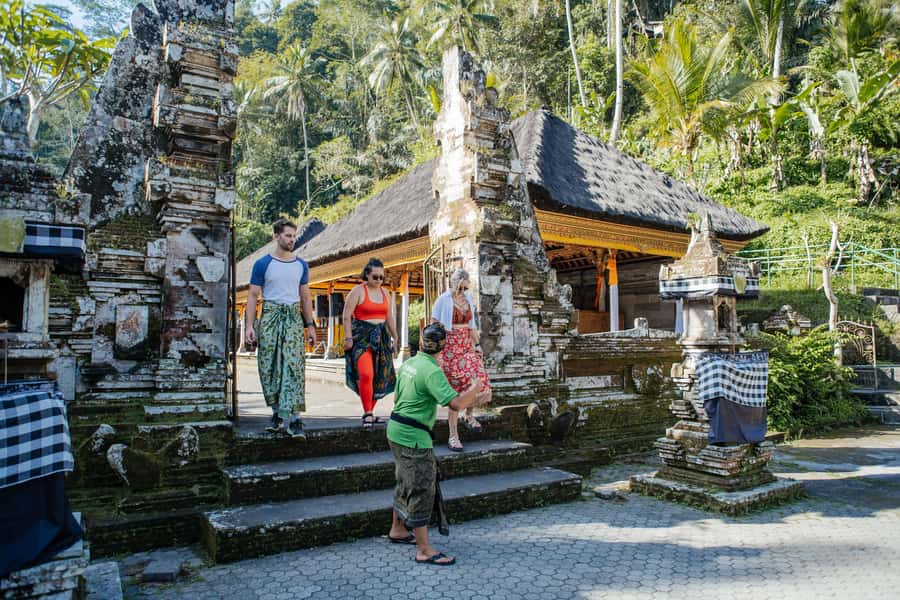
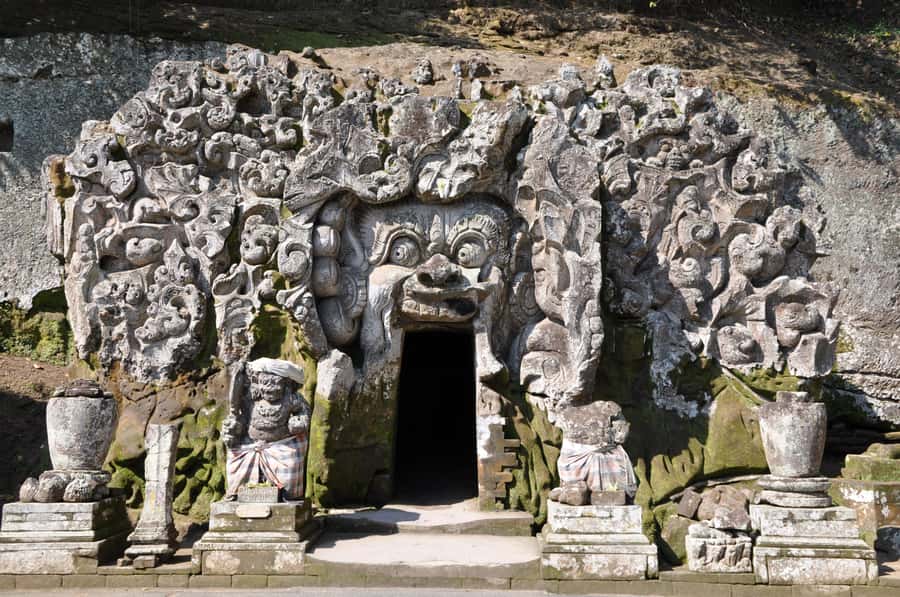
Goa Gajah is usually called the Elephant Cave, though the name and its carved entrance are more important than any expectation of finding a large underground chamber. The approach brings you into a temple setting decorated with unusual carvings and old tree roots. The roots give the place a dramatic, weathered look, somewhat reminiscent of Angkor-style ruins.
This is a useful cultural counterpoint to the canyon. Instead of simply seeing stone and taking pictures, you get an explanation of Balinese Hindu customs, temple design, and local traditions. Guides such as Komang, Dewa, Alit, Putu, and Depik have been praised for explaining culture in clear English and answering questions about everyday family life as well as religious practice.
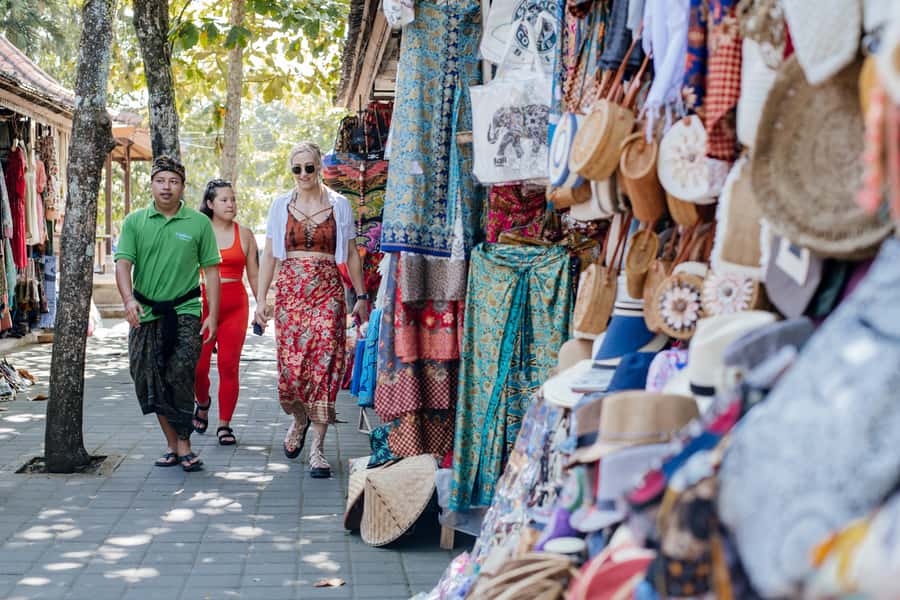
Dress respectfully. A sarong is required at Balinese temples, and you should bring one or confirm that the tour provides temple clothing. Comfortable shorts and a T-shirt work well for the outdoor portion, but you need to be ready to cover up at the sacred sites.
Rain can arrive quickly. One useful detail from the day’s experiences is that guides have helped with umbrellas during sudden showers. Keep your camera protected and do not assume the weather at Goa Gajah will match what you found at the canyon.
Same region, a different set of falls:
- North Bali: Sunrise Tour with Dolphins, Waterfalls & Temples
★ 4.6 · 831 reviews - Ubud: Private Scenic Waterfalls and Rice Terraces Tour
★ 4.9 · 719 reviews - Bali: Lake Bratan, Handara Gate, Waterfall & Swing Tour
★ 4.8 · 714 reviews - Bali: Mount Batur Sunrise Hike and Hidden Waterfall
★ 4.8 · 591 reviews
Gunung Kawi and Bali’s rice terraces
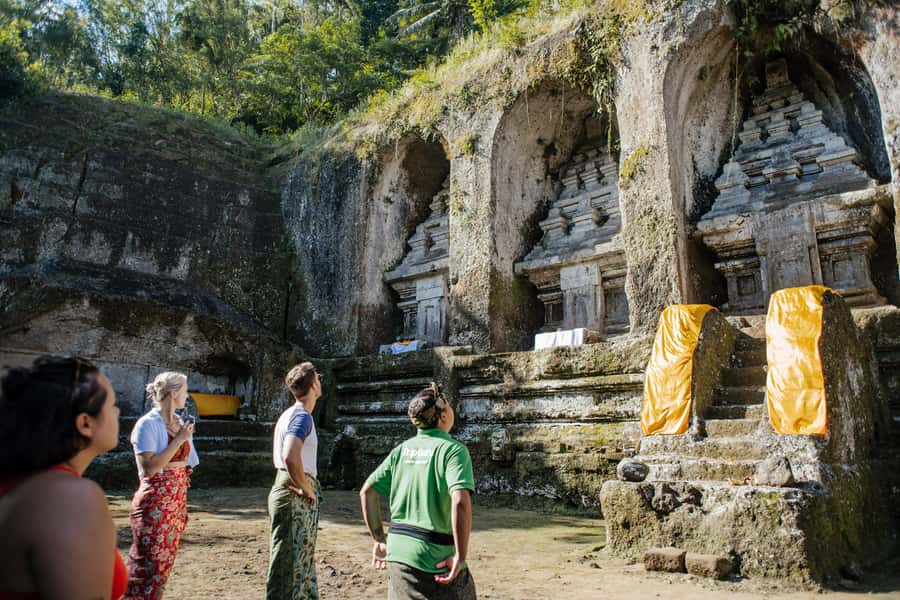
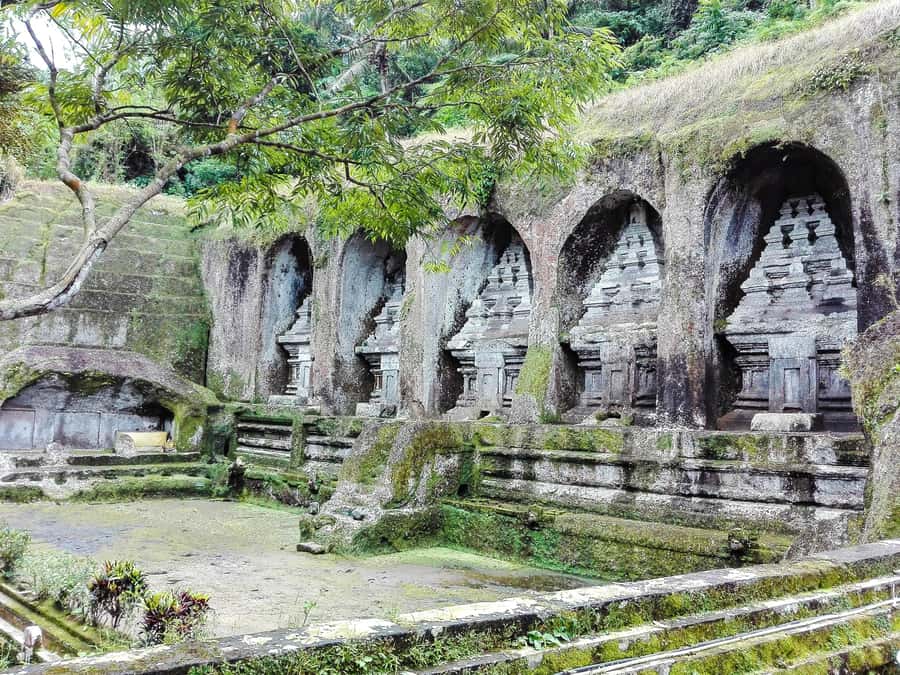
Gunung Kawi gives you a different kind of ancient site. You approach through Bali’s famous terraced rice fields, then walk down steps toward large carved monuments cut into the rock walls. The setting feels quieter and more spacious than Goa Gajah, though you must walk back up the same route.
For many people, this is the strongest temple stop because the monuments and valley setting create a clear sense of place. The attraction is not only the carvings. It is also the walk through working agricultural country and the view of how religious sites fit into Bali’s rural setting.
Plan your energy. By this point, you may have already walked through water, climbed over rocks, descended to a waterfall, and spent time in the heat. The temple visits are not strenuous in the same way as the canyon, but the steps can still matter. Take your time and carry water.
Both temple stops are valuable because they add context to the rest of the day. The canyon shows Bali’s natural side, while Goa Gajah and Gunung Kawi explain the island’s religious architecture and long cultural story. You return with more than a collection of scenic pictures.
What the guides add to the day
The driver is also your main guide between stops, and this is one of the tour’s strongest features. Guides named Komang appear often in the experience feedback, along with Dewa, Putu, Alit, Depik, Agus, Suma, Anom, and others. The important point is not one guaranteed individual, since assignments can change, but the level of help you should expect: explanations during the drive, answers about Balinese Hindu life, timing updates, photo help, and practical advice.
Komang in particular is noted for combining jokes and conversation with explanations of Bali’s culture and history. Dewa was praised for safe driving and for making a solo participant feel comfortable. Other guides adjusted the pace for lunch, waited during temple visits, and suggested extra stops when time allowed. Do not count on an additional stop, but a small group gives the guide more room to adapt than a large coach tour.
At the canyon, a separate local guide leads the water section. That division is sensible. Your driver knows the roads and wider cultural context, while the canyon guide knows the rocks, currents, and safest route through the gorge.
Transport, timing, and group size
The advertised duration is 510 minutes, or about eight and a half hours. That is a full day, and the route covers a wide area. Pickup from Uluwatu or another southern resort can involve a long ride before the first activity, while Ubud-based pickups may reach the central stops more quickly.
The vehicle is air-conditioned, a real comfort in Bali’s heat. The group is limited to five, although the exact vehicle arrangement depends on the pickup locations. Allow for traffic, especially when people are collected from several resorts or returned to different drop-off points.
The pace is active but not designed as a race. You get time for photos, temple explanations, and lunch, and the guides have been flexible about breaks. Still, four major stops in one day means you will not have unlimited time at any one place.
Free cancellation is available up to 24 hours before departure, and you can reserve now and pay later. The tour is offered in English, French, and German. These are useful safeguards when you are planning around uncertain Bali weather or a changing holiday schedule.
Who should book this Bali day trip?
I would choose this tour if you want a first look at Bali that combines nature, culture, and some physical effort. It suits active couples, solo visitors, and families with children aged seven or older who are confident in water and comfortable with uneven ground.
It is also a good choice early in a Bali holiday. The drive gives you a broad view of the island, while the guide can explain customs, temple etiquette, food, and other places to visit. Several guides have made the day feel personal by talking about their own villages and life in Bali, not just repeating dates and names.
I would skip it if you want a relaxed sightseeing day, dislike wet clothes, or have trouble with stairs. The Hidden Canyon is not a token add-on. It sets the physical tone for the day, and the waterfall and temple steps add more walking afterward.
Should you book this tour?
At $73 per person, this is good value if the Hidden Canyon is your priority and your selected option includes the main entry costs. Even when the Standard option leaves admissions and lunch separate, the combination of transport, a maximum group of five, a canyon guide, temple visits, and hotel pickup gives you a useful full-day package.
Book it for the canyon, the helpful guide support, and the balance between adventure and culture. Bring water shoes, a change of clothes, cash, a sarong, sun protection, and modest clothing. If you are not a confident swimmer or want a quiet day, choose a temple and waterfall tour without the canyon instead.
FAQ
How long does the tour last?
The advertised duration is 510 minutes, or about eight and a half hours. Pickup locations and traffic can affect the exact schedule.
What is the main activity at Beji Guwang Hidden Canyon?
You walk, swim, and climb through the canyon, moving over rocks and through sections of water with help from a local guide.
Is the Hidden Canyon suitable for beginners?
The activity requires comfort in water, balance on slippery rocks, and some climbing. A canyon guide assists you, but it is not suitable for people with mobility, heart, or respiratory problems.
Do I need to be a strong swimmer?
You should be confident in water because swimming is part of the canyon route, and currents can sometimes be strong.
Are water shoes necessary?
They are strongly advisable. The rocks can be sharp and slippery, and water shoes make walking through the canyon easier.
Are lunch and entrance fees included?
Meals are not included. On the Standard Small Group Tour, entrance tickets are also not included. Prepare cash for lunch and the listed admission fees unless your chosen option includes them.
What are the listed entrance fees?
The stated fees are IDR 300,000 for Beji Guwang Hidden Canyon, IDR 20,000 for Tegenungan Waterfall, IDR 50,000 for Goa Gajah, and IDR 50,000 for Gunung Kawi.
Does hotel pickup come with the tour?
Yes. Pickup and drop-off are available for hotels in areas including Kuta, Legian, Seminyak, Jimbaran, Sanur, Kerobokan, Canggu, Nusa Dua, and Ubud. The exact time is confirmed the evening before.
What should I wear?
Wear comfortable shorts and a T-shirt for the active section. Bring swimwear, a change of clothes, comfortable or hiking shoes, a sarong, and water shoes.
What languages are available?
The tour is offered with live guides speaking English, French, or German.
Newest waterfall trips we have reviewed in Bali
- Bali: Water Temple, Waterfalls and Unesco Rice Terrace Tour★ 4.9 · 66 reviews
- Bali: Secret Garden, Ulun Danu Temple and Waterfall Tour★ 4.8 · 12 reviews
- Bali: Sambangan Waterfalls Trekking, Sliding, & Jumping Trip★ 5.0 · 31 reviews
- Bali: 3 Waterfalls and Tegalalang Rice Terrace Private Tour★ 4.6 · 57 reviews
- Bali: Penglipuran Village, Rice Terrace & Waterfall Tour★ 5.0 · 60 reviews
- Bali: Gitgit and Alingaling Waterfalls Small Group Tour★ 4.7 · 14 reviews
- Bali: Kintamani Cafe, Waterfall, Temple and Cretya Ubud Tour★ 5.0 · 100 reviews
- Bali: Hidden Waterfalls Private Tour (All-Inclusive)★ 4.9 · 14 reviews
Bali Waterfall Tours, compared.
Waterfall, Rice Terraces & Monkey Forest Private Tour
Read our review →
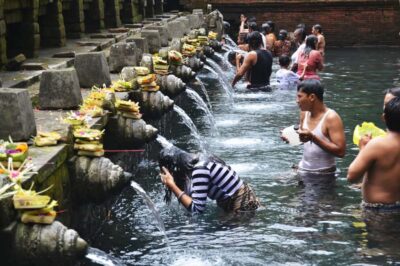

North Bali: Sunrise Tour with Dolphins, Waterfalls & Temples
Read our review →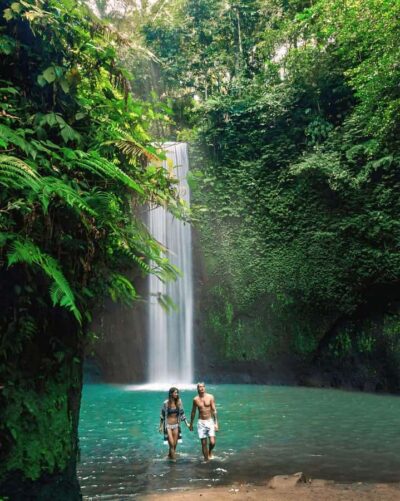
Private Scenic Waterfalls and Rice Terraces Tour
Read our review →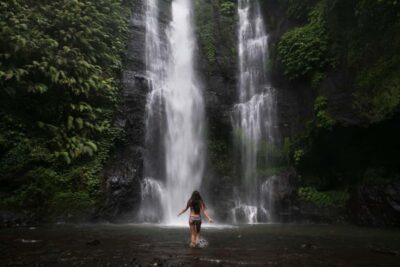
Lake Bratan, Handara Gate, Waterfall & Swing Tour
Read our review →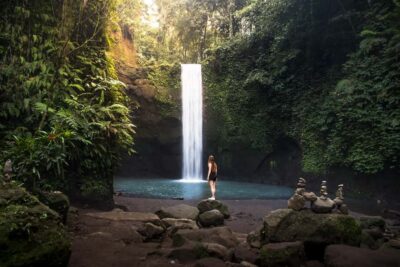
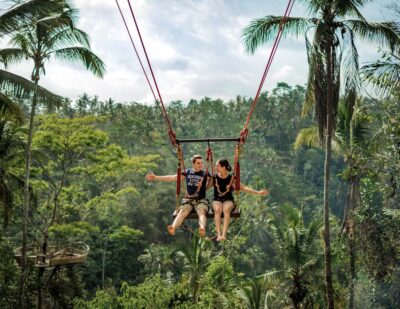
Swing with Falls, Rice Terrace, & Monkey Forest Option
Read our review →Browse the lists this tour appears in