
Review · RICE TERRACE & BALI WATERFALL TOURS
Yogyakarta: Selogriyo Temple, Rice Terraces & Waterfall Tour
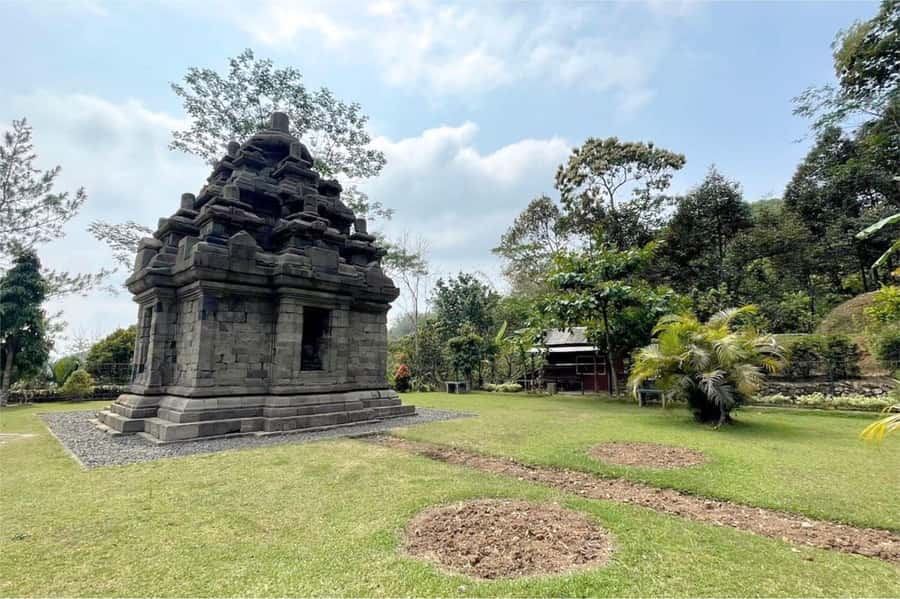
Selogriyo Temple is the star here, but the walk to reach it is the real treat. You leave Yogyakarta’s city streets behind and follow narrow paths through Java’s farm country, where rice, beans, and corn grow on steep terraces. The small hilltop temple appears almost as an afterthought, quiet and green rather than grand and crowded.
I like the peaceful countryside setting and the way guides such as Haidar and Atok explain ordinary village life, from farming methods to local customs. I also like the cool reward at Kedung Kayang Waterfall, where you can swim beneath the falls with a volcano rising in the distance.
The main drawback is physical, not cultural. The day includes a moderate amount of walking, muddy patches, and a steep descent and climb at the waterfall. At $65 per person, the tour is good value if you want transport, a guide, entrance fees, and a full day away from the city, though one recent visitor felt it was expensive for the sights alone.
Key points at a glance
- Follow farmers’ paths to Selogriyo Temple: The walk through working rice terraces is more memorable than the small temple itself.
- Expect a quiet hilltop shrine: Selogriyo is secluded and peaceful, with scenery that rewards the effort of getting there.
- Learn about Java’s agriculture: Guides explain paddy, beans, corn, plants, insects, soil care, and integrated farming.
- Bring proper footwear for Kedung Kayang: The route down to the waterfall can be steep and slippery, especially in muddy conditions.
- Plan for a full eight-hour outing: Hotel pickup and return make this easy from Yogyakarta or Borobudur.
- Value depends on what you want: It suits you if you value local contact, countryside, and a thoughtful guide more than big monuments.
Why this day outside Yogyakarta feels different
This is a countryside tour rather than a monument checklist. You spend time seeing how people live and work, not just stopping at a photo point before climbing back into a vehicle.
Pickup is included from your accommodation in Yogyakarta or the Borobudur area. The drive takes you toward a quieter part of Java, with the city giving way to village roads and cultivated hills. The exact starting time depends on availability, but the total outing lasts about eight hours, including transport, walking, the temple, waterfall, and return journey.
The group is limited to eight people. That matters here because the guide can stop to explain a plant, answer questions, or adjust the walking pace without trying to manage a busload. If your group is small, you may receive an almost private outing. One booking with Imam, for example, was a private day because no other participants joined.
The English-speaking guides are one of the strongest parts of this experience. Haidar is repeatedly singled out for his explanations of farming, religion, culture, plants, and village life. Atok is praised for his English and lively explanations, while Kin is noted for providing water, breaks, photos, coffee, and purple tea. Yuni and Imam also lead tours, so your experience will depend partly on who is assigned that day.
More Rice Terrace and Bali Waterfall Tours in Indonesia:
- Ubud: Waterfalls, Water Temple & Rice Terraces Private Tour
★ 5.0 · 5,484 reviews - Ubud: Waterfall, Rice Terraces & Monkey Forest Private Tour
★ 4.9 · 4,894 reviews - Best of Bali Waterfalls: Tibumana, Tukad Cepung and Tegenungan
★ 5.0 · 3,047 reviews
Walking through the rice terraces to Selogriyo
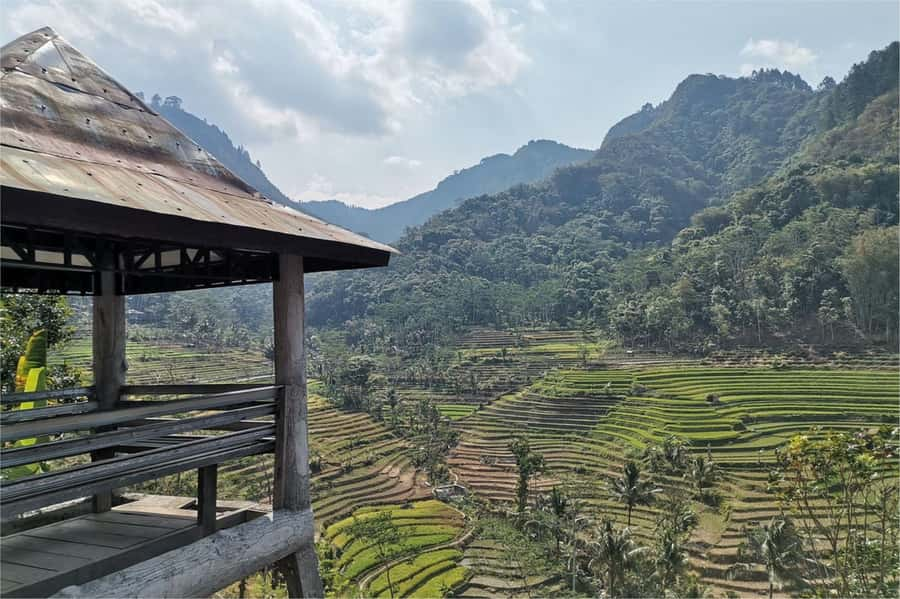
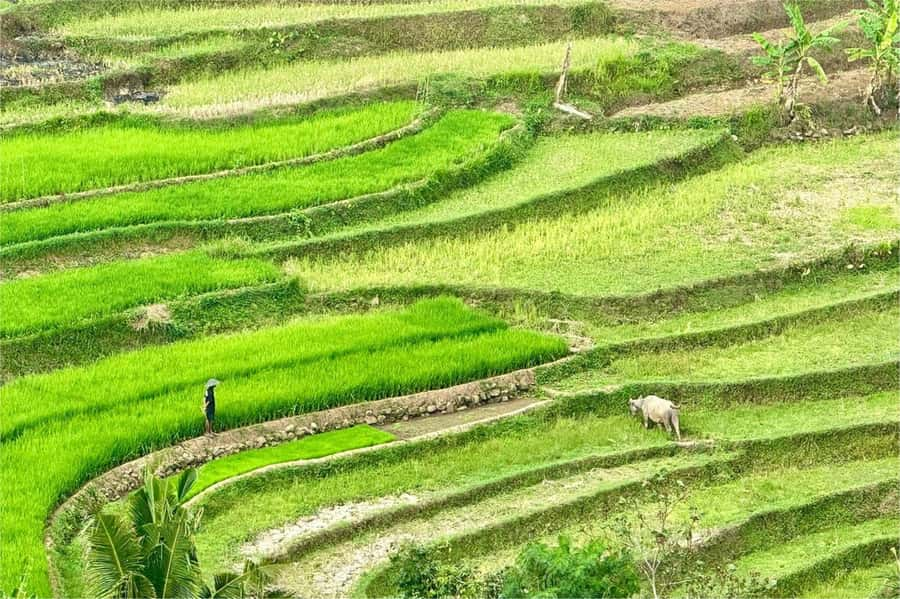
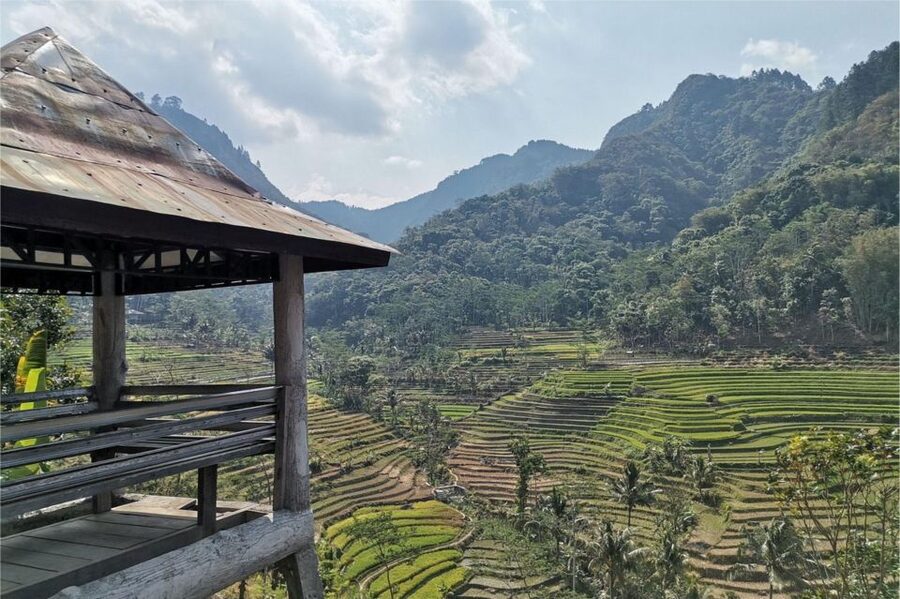
The approach to Selogriyo Temple is the part I would focus on most when deciding to book. You walk along paths beside rice terraces rather than arriving at a grand entrance by coach. The route offers broad views of Java’s countryside and a close look at fields growing paddy, beans, corn, and other crops.
This is working farmland, not a decorated park. You may see local people tending crops and going about their daily business. Guides explain how farmers combine different plants and techniques to manage pests and improve soil nutrients. That practical detail turns a pretty walk into a lesson in how food is grown in Java.
The route has a moderate level of difficulty. Some sections can be muddy, and the surface may not be even. You do not need to be an athlete, but you should be comfortable walking for part of the day on rural paths. Wear shoes with a good grip, and do not choose delicate sandals simply because the weather looks dry at breakfast.
The pace is an important advantage. Haidar is praised for allowing enough time to look around rather than hurrying from one stop to the next. Guides also stop to answer questions about plants, insects, farming techniques, and village customs. If you enjoy asking questions, this is the sort of outing where curiosity pays off.
You may also meet local residents along the way. The contact is informal and connected to the walk, rather than arranged as a staged cultural show. That makes the experience feel more genuine, though you should still be polite about photographs and let your guide handle introductions.
Selogriyo Temple, small but wonderfully quiet
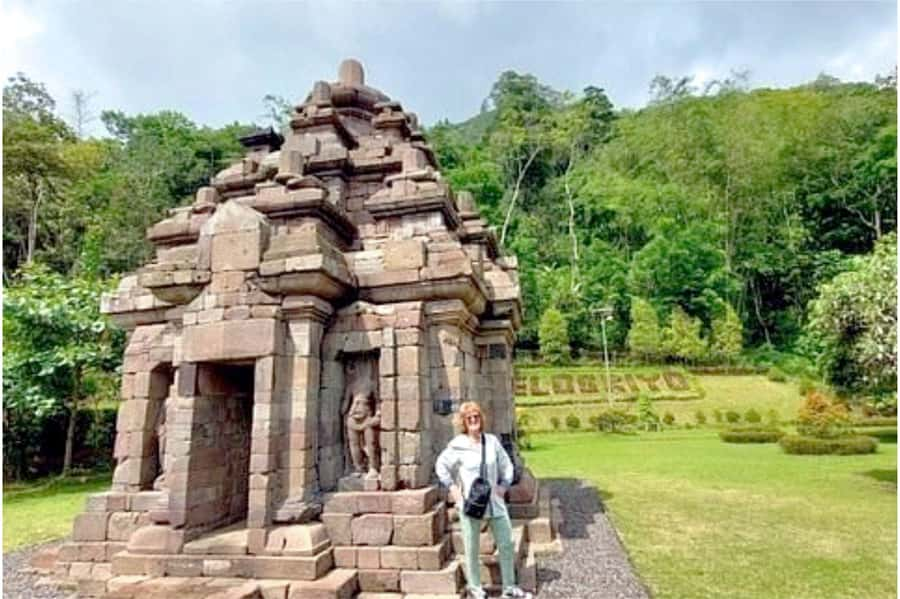
Selogriyo Temple is not a vast complex. Set expectations correctly and you will appreciate it more. Its appeal comes from its hilltop position, surrounding fields, and silence rather than from a long list of buildings or ornate displays.
The temple sits in a secluded setting reached on foot, and the approach gives it a storybook quality. After the walk, the calm can feel almost like a reward. The small scale also means you can look closely, sit quietly, and take in the setting without the pressure of moving through a major tourist site.
The temple provides a useful window into Hindu worship in Java. Your guide can explain aspects of the site and answer questions about religion and local practice. Several guides are praised for making this part accessible, even for people who do not arrive with much background knowledge.
I would not book this tour if your main goal is to see a monumental temple complex. Selogriyo is modest compared with Java’s better-known sites. Book it for the setting, the walk, and the chance to experience a quiet religious place within a working rural area.
Coffee, tea, and a welcome pause in the fields
The day may include a stop at a small café overlooking the rice terraces. This is a useful pause after walking, and the setting gives you another way to enjoy the countryside without rushing through it.
Past participants describe interesting coffee and purple tea, and one particularly unusual drink is cat poo coffee. You do not have to treat that as a dare, but it is part of the local food and drink angle that makes the day more personal. Some guides also make special stops for Yogyakarta food and drinks when time allows.
Food and drinks are not included in the $65 price, so carry some spending money. The tour provides transport, entrance fees, parking, and an English-speaking guide, but you pay separately for anything you eat or drink.
This café stop is not the main attraction, and the exact arrangement may vary. Think of it as a pleasant break with a view, not a formal tasting session. It is especially welcome if you have spent the morning walking in warm weather.
More Waterfall Tours in Indonesia:
- Ubud: Full-Day Rice Terrace, Monkey Forest & Waterfall
★ 5.0 · 2,634 reviews - ATV Quad Bike Through Tunnel and Waterfall in Bali
★ 5.0 · 2,098 reviews - ATV Quad Bike Bali with Waterfall Gorilla Cave and Lunch
★ 5.0 · 1,925 reviews - Bali: Lempuyang Quick Access, Waterfall, Water Palace & More
★ 4.7 · 1,072 reviews
Kedung Kayang Waterfall and the steep final walk
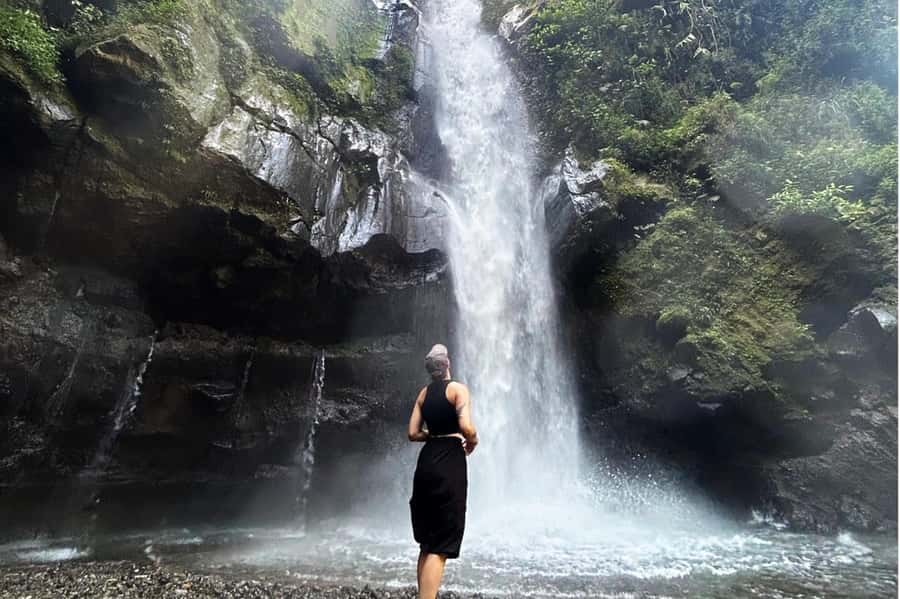
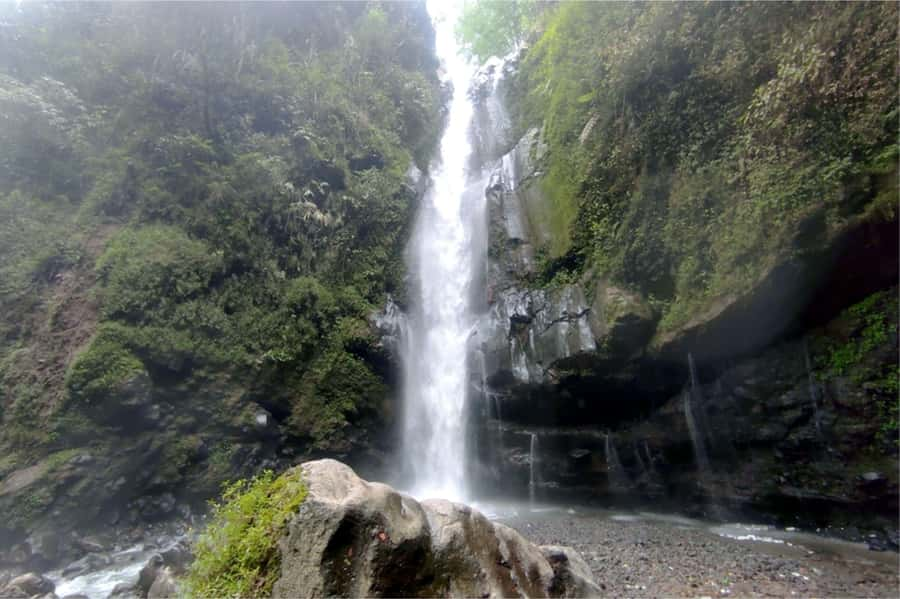
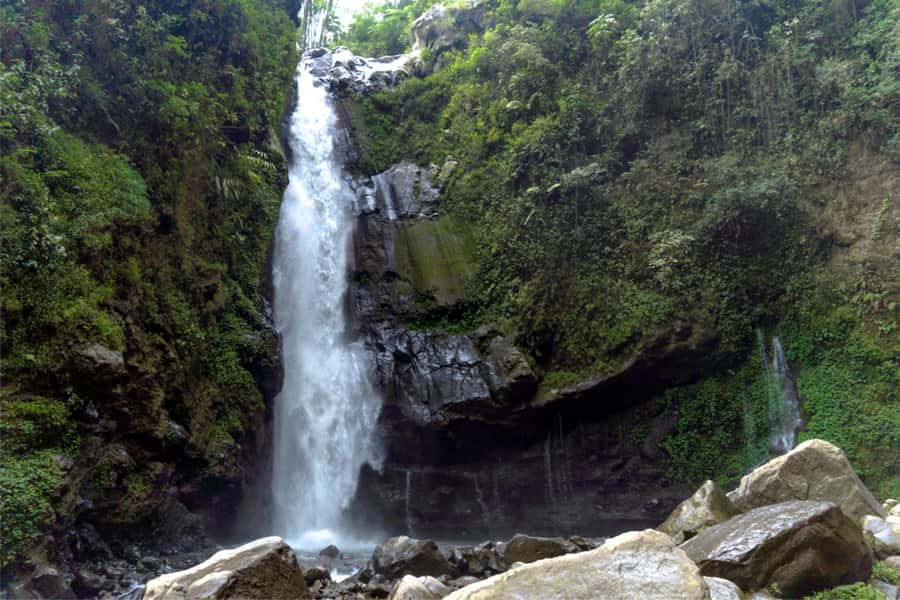
The waterfall adds a change of pace after the temple and terraces. Kedung Kayang is surrounded by forested scenery, and the water creates a natural place to cool off. You can swim beneath the falls if conditions suit you and you are comfortable in the water.
The approach requires care. The route from the starting point down to the waterfall is steep in places, followed by the climb back up. One detailed account describes the descent and return as demanding enough to require good shoes or sandals. Water shoes would be useful if you have them, especially for wet ground and slippery areas near the water.
The waterfall is also valued for its view toward a volcano. This gives the stop more than a simple swimming-hole feel. You can enjoy the water, take photographs, and look back at Java’s dramatic mountain scenery.
Do not underestimate the return climb just because the swim feels relaxing. Save a little energy, keep your footing secure, and follow the guide’s instructions. If you have limited mobility or dislike steep paths, the waterfall may be the deciding factor against this tour.
Swimming is optional. You can enjoy the setting without getting into the water, but bring suitable clothing if you plan to swim. The supplied information does not specify changing facilities, so it is sensible to ask the operator about arrangements before departure.
What the $65 price includes
At $65 per person, this is not the cheapest way to see a temple and waterfall. It is also not simply an entrance ticket with a driver. The price covers hotel pickup and drop-off, entrance fees, parking, and an English-speaking guide for an eight-hour day.
That package has real value if you are staying in Yogyakarta or Borobudur and would otherwise need to arrange a car, driver, entrances, and local help separately. You also receive interpretation during the farm walk, which is the part most likely to be missed on a self-guided visit.
The value is weaker if you only want a quick look at Selogriyo Temple. The temple is small, and the waterfall requires extra walking. You are paying for the entire day, the transport, and the human context around the sights.
One visitor felt too much of the price went elsewhere rather than to the guide. That is a fair consideration for anyone focused on how tour money is distributed. You can ask the operator what is included in the cost and how guide tips are handled. Tips are not included, so budget separately if your guide provides a strong day.
An airport-area pickup from Yogyakarta costs an additional IDR300,000. That surcharge is important when comparing the total price, since standard pickup is described for accommodation in Yogyakarta or the Borobudur area.
Who will enjoy this tour most
I would recommend this day to you if you want to get beyond Yogyakarta’s main sights and see a quieter side of Java. It suits people who enjoy walking, photography, village scenery, plants, farming, and conversation with a local guide.
It is also a good choice for couples, solo visitors, families with older children, and small groups who prefer a flexible pace. The guide can explain details that would be easy to miss, and the group limit of eight keeps the experience personal.
You should think twice if you dislike uneven paths, muddy ground, or steep climbs. The waterfall section is not a flat stroll, and the rice terrace route calls for a moderate level of fitness.
The tour also works best for people who see a small temple as part of a wider day rather than the sole reason to go. If you want grand architecture, Selogriyo may feel underwhelming. If you want quiet scenery and a better sense of rural Java, it is a strong match.
Practical advice for a smoother day
Wear shoes that can handle mud and wet ground. A pair with firm grip is more useful than stylish travel footwear, and water shoes are worth packing if you plan to swim at Kedung Kayang.
Bring water, sun protection, and a change of clothes for the waterfall. Food and drinks are extra, and the café stop may not replace a full meal, so ask about the day’s eating arrangements when you book.
Keep your schedule flexible after the tour. The experience lasts eight hours, and driving times, walking pace, photo stops, and weather can affect the return time. Pickup and drop-off are included, which removes much of the transport planning, but it does not make the day short.
Guides often take photographs during the outing, and this can be helpful if you are traveling alone or want pictures of the walk. Still, bring your own phone or camera and ask before photographing local people.
Free cancellation is available up to 24 hours before departure, and you can reserve now and pay later. Those terms are useful if your Java plans may shift, though you should confirm the available starting time before booking.
Should you book the Selogriyo and waterfall tour?
Book it if you want quiet countryside, a thoughtful guide, and a moderate outdoor day rather than another crowded monument. The rice terrace walk is the heart of the experience, and guides such as Haidar, Atok, Kin, Yuni, and Imam add much of its value through stories about farming, religion, language, food, and daily life.
Skip it if you want a grand temple, a gentle walk, or a low-cost half-day outing. The $65 price makes sense when you use the transport, guide, entrance fees, and full schedule. It is less compelling if you are interested only in the small temple or are not prepared for the steep waterfall route.
For the right person, this is a memorable way to see Java beyond Yogyakarta’s city center: fields under cultivation, a quiet shrine, local conversation, coffee with a view, and cool water beneath Kedung Kayang.
FAQ
How long does the tour last?
The tour lasts eight hours, including pickup, transport, walking, sightseeing, the waterfall visit, and return to your accommodation.
Where does hotel pickup take place?
Pickup is available from accommodation in Yogyakarta or the Borobudur area.
Is airport pickup included?
Pickup from the Yogyakarta airport area costs an additional IDR300,000.
Is an English-speaking guide provided?
Yes. The tour includes a live English-speaking guide.
How large is the group?
The group is limited to eight participants. Depending on bookings, you may have a smaller group or a private day.
What is included in the price?
The price includes hotel pickup and drop-off, entrance fees, parking, and an English-speaking guide.
Are food and drinks included?
No. Food and drinks are not included. Some tours may stop at a café or make food and drink stops, but you pay separately.
How difficult is the walking?
A moderate amount of walking is involved. The rice terrace route may be muddy, and the waterfall route includes a steep walk down and back up.
Can I swim at Kedung Kayang Waterfall?
You can take a swim beneath the waterfall if you choose. Bring suitable clothing and footwear, since the route and area near the water can be wet.
Can I cancel for a full refund?
You can cancel up to 24 hours in advance for a full refund. You can also reserve the tour and pay later.
Newest waterfall trips we have reviewed in Indonesia
- Lombok Private Tour Waterfall And Traditional Village Including Beach★ 5.0 · 14 reviews
- Bali ATV Ride with Waterfall Dragon Cave and Lunch by Penidago★ 4.5 · 7 reviews
- Monkey Forest, Ubud, Waterfall and Rice Terrace★ 4.5 · 53 reviews
- Ubud ATV Ride with Waterfall, Dragon Cave & Lunch – 2 Hours★ 5.0 · 5 reviews
- Bali: Tirta Gangga, Taman Ujung and Cepung Waterfall Trip★ 4.8 · 101 reviews
- Tetebatu: Waterfalls, Spices, Rice Terrace, Monkey forest★ 4.9 · 55 reviews
- Tetebatu: Rice Fields, Waterfall, & Monkey Forest Day Tour★ 4.9 · 170 reviews
- Tetebatu : Waterfall, Rice Fields & Monkey Forest Full day★ 4.9 · 14 reviews
Rice Terrace & Bali Waterfall Tours, compared.
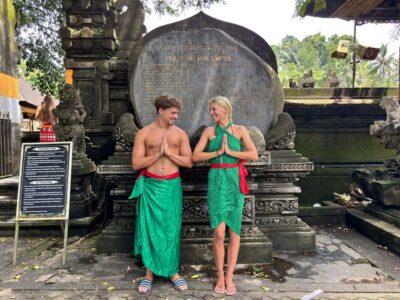
Waterfalls, Water Temple & Rice Terraces Private Tour
Read our review →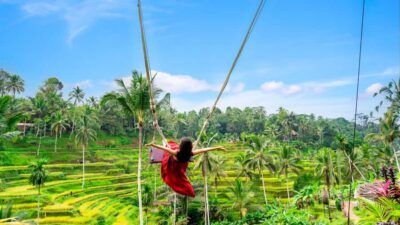
Waterfall, Rice Terraces & Monkey Forest Private Tour
Read our review →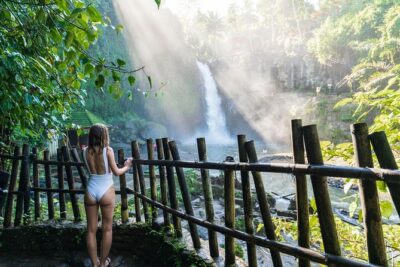
Best of Bali Waterfalls: Tibumana, Tukad Cepung and Tegenungan
Read our review →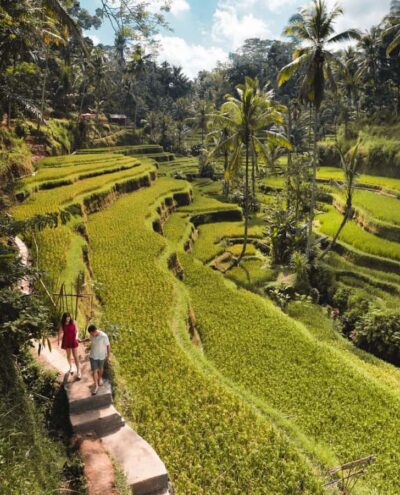
Full-Day Rice Terrace, Monkey Forest & Waterfall
Read our review →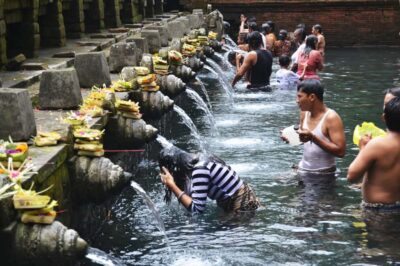
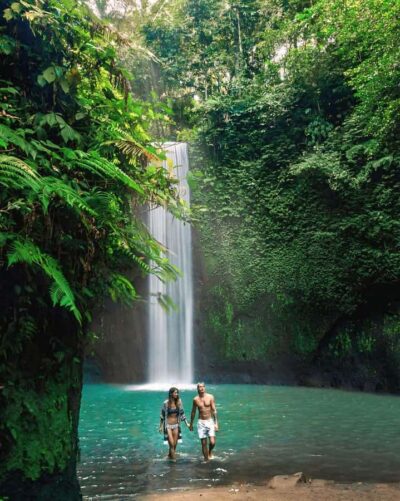
Private Scenic Waterfalls and Rice Terraces Tour
Read our review →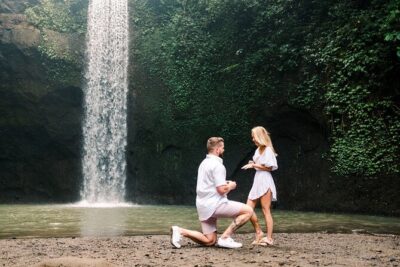
Blue Lagoon Snorkeling – Lunch – Kantolampo – Tibumana Waterfall
Read our review →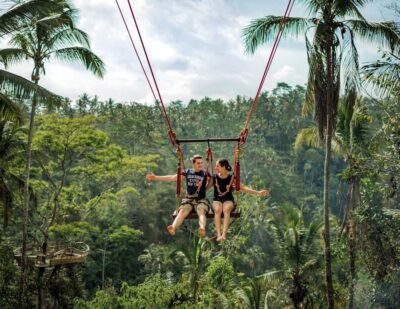
Swing with Falls, Rice Terrace, & Monkey Forest Option
Read our review →Browse the lists this tour appears in