
Review · DA LAT WATERFALL TOURS
7-hour Datanla waterfall, Clay Tunnel and Holy See temple
Da Lat’s best sights are scattered across hills, pine country, and the city outskirts. This 7.5-hour motorbike tour links the strange, colorful Clay Tunnel with waterfalls, temples, a French-era railway station, and broad views around Tuyen Lam Lake. It gives you a useful first look at a city often called Le Petit Paris.
I like the way the route mixes odd modern attractions with genuine religious and historic places, instead of filling the day with one type of sight. I also like the friendly local guiding style associated with Hiep, Lee, Le, Chung, Tri, and Tintin, who explain Da Lat’s past and adjust the pace when needed. The drawback is a full schedule, and entrance fees, lunch, and drinks cost extra.
Key points to know before you book
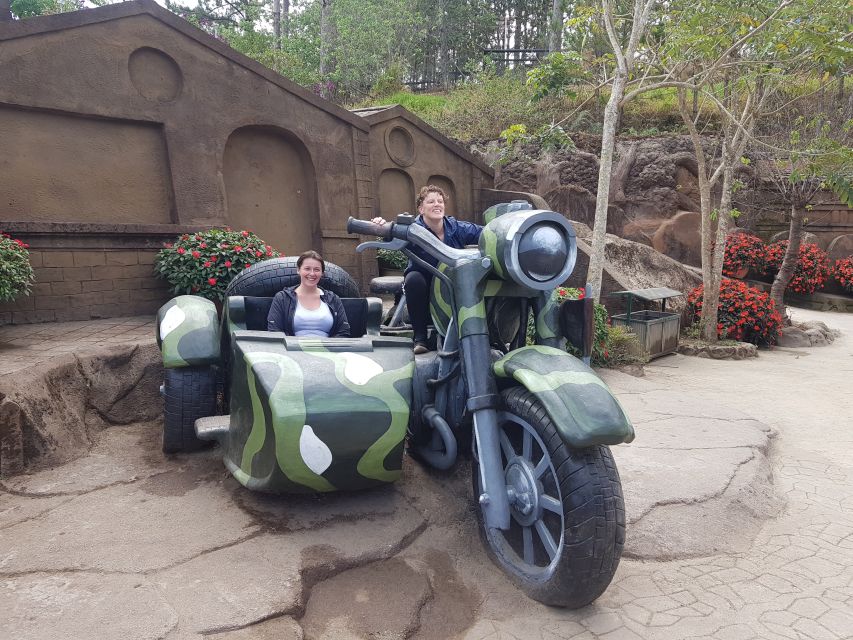
- Clay Tunnel first: Giant clay sculptures of Da Lat, trains, lizards, and motorbikes make this a playful opening stop and a good place for photos.
- Motorbike freedom: Riding with a guide lets you cover scattered sights and enjoy more of the countryside than you could on foot.
- Nine major stops: Waterfalls, pagodas, temples, a lake, railway history, and the city center all fit into one day.
- Entrance fees are extra: The $38 price covers transport and guiding, but not admission tickets, lunch, or soft drinks.
- Guides matter: Hiep, Lee, Le, Chung, Tri, and Tintin are named guides connected with this experience, with English, Vietnamese, French, and Chinese available.
- Good for first-time visitors: You get a broad introduction to Da Lat, but the pace may feel busy if you prefer long, quiet visits.
Why this route works for seeing Da Lat
Da Lat is not a city you understand from one central square. Its sights spread from the hills around Tuyen Lam Lake to the eastern edge of town, with temples, waterfalls, and colonial-era buildings in between. A car can cover the distance, but a motorbike gives the day a more open, local feel.
You can choose a motorcycle or a car or 4×4 vehicle. On the motorbike option, you may ride your own bike if that is part of the selected arrangement, or travel as a passenger with a guide. Helmets and other safety gear are included, along with fuel, mineral water, tissues, hotel pickup, and drop-off.
I would choose the motorbike for the scenery and the sense of movement. It is also practical because the route includes several places that are not close together. If you do not like riding, prefer more protection from the weather, or are traveling with people who want a calmer day, the car option makes more sense.
The tour has a strong people-centered feel. Guides such as Hiep and Le are described as careful drivers who explain local history in clear English and take photos along the way. Lee, Chung, and Tri are also named as guides who combine sightseeing with conversation and humor. That personal contact can make a large difference on a day with so many stops.
More Waterfall Tours in Dalat:
- Da Lat Countryside Minivan Shared Tour (Three Waterfalls)
★ 5.0 · 1,894 reviews - Da Lat: 3 Waterfalls Tour (Datanla – Elephant – Pongour)
★ 5.0 · 1,840 reviews - Dalat: Three Waterfalls Small Group Tour – Alpine Coaster
★ 4.9 · 1,256 reviews
Clay Tunnel: Da Lat in oversized clay
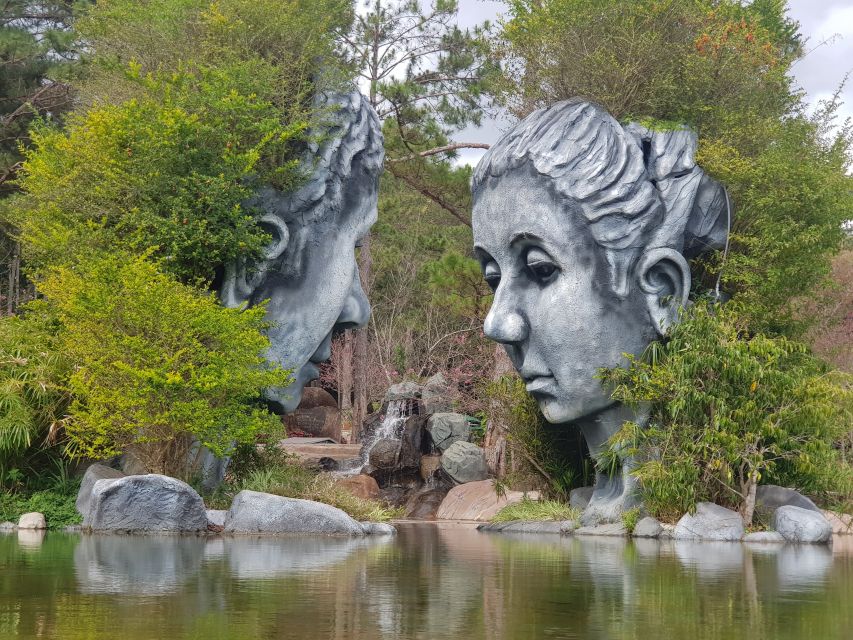
The Clay Tunnel, also called the artificial clay art area, is the most unusual stop on the route. You see large clay models linked to Da Lat, including miniature city scenes, trains, giant motorbikes, and lizards. The designs are made for looking at from several angles, so allow yourself time to walk around rather than simply stopping for one photograph.
This is a good first stop because it sets a playful mood. The sculptures are not an old monument or a traditional temple. They are a modern attraction built around Da Lat’s identity, with recognizable local forms turned into oversized art.
The one-hour visit is useful. The Clay Tunnel is popular for photographs, and starting here can help you reach it before larger groups. Bring a phone or camera, but do not expect a quiet museum visit. The appeal is visual and curious, not scholarly.
Truc Lam Zen Monastery and Tuyen Lam Lake
Truc Lam Zen Monastery is one of the most important religious stops of the day. It is described as the largest monastery in Lam Dong, and its setting gives you a calmer change of pace after the Clay Tunnel. You have about 30 minutes here, enough for a look at the pagodas and grounds, though not enough for a slow, detailed visit.
Dress and behave respectfully at religious sites. The tour includes several temples, so simple clothing and a quiet manner will serve you well. Your guide can add context about Buddhist practice and the role of the monastery in the area.
The next stop is Tuyen Lam Lake, Da Lat’s largest freshwater lake, covering about 320 hectares. The scheduled visit is only 15 minutes, so treat it as a photo stop rather than a lake excursion. You get a chance to look across the water and see why this area is part of Da Lat’s wider appeal, but you will not have time for an extended walk or other lake activity.
That short stop is one of the tradeoffs of the itinerary. You see many places, but some receive only a quick introduction. If Tuyen Lam Lake is a main reason for your visit, you may want separate time there.
Datanla Waterfall and the adventure option
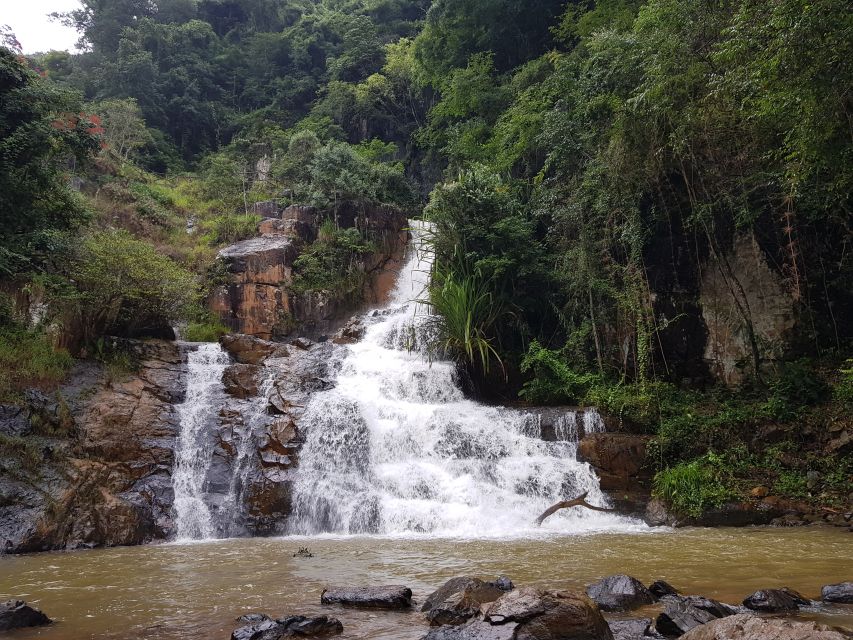
Datanla Waterfall sits in the Datanla tourist area, about 10 kilometers from Da Lat. The waterfall stop lasts around an hour and brings the day’s main outdoor attraction. The area combines natural scenery with adventure tourism, so it feels more active than the monastery and railway station visits.
The route includes the chance to use the local roller coaster for the approach to the waterfall, with the entrance fee paid separately. The ride can save you a walk and adds a little fun, but you should not treat it as part of the included $38 cost. Ask your guide about the current ticket arrangements before you choose it.
Datanla is a strong stop for people who want more than architecture and history. Still, it is part of a developed tourist area, not an isolated wilderness walk. You get a straightforward waterfall visit with optional adventure elements, not a long trek through the forest.
Wear shoes that are comfortable for walking and bring some protection from the sun. The operator provides water, but lunch and soft drinks are not included, so plan to buy or arrange food during the day. Guides have shown flexibility with lunch timing, including stopping at a local vegetarian restaurant, but the exact restaurant is not fixed.
Same region, a different set of falls:
- Dalat: 3 Waterfalls Day Tour — Datanla, Pongour & Elephant
★ 4.9 · 931 reviews - Da Lat’s Countryside & Waterfalls Day Tour by Motorbike
★ 5.0 · 462 reviews - Dalat Top Tourists Sights – Waterfall & Go kart-Mario Kart
★ 5.0 · 380 reviews - Dalat: Countryside Tour with Silk Village & Elephant Falls
★ 5.0 · 300 reviews
Cao Dai Temple: a small Holy See in Da Lat
Cao Dai Temple is a miniature version of the Tay Ninh Holy See. That makes it a particularly interesting stop for anyone who wants to understand Vietnam’s religious variety. Cao Dai combines elements associated with Buddhism, Taoism, Confucianism, Christianity, and other traditions.
The temple’s symbolism includes five levels of human development: human, god, saint, fairy, and Buddha. The five colors associated with the Cao Dai religion also appear in its visual identity. You do not need to be an expert in religion to appreciate the building. The value is seeing how a distinctly Vietnamese faith presents its ideas through architecture and color.
The visit lasts about 30 minutes. Your guide can explain what you are seeing, which is useful because the symbolism may not be obvious from the outside. Keep the visit respectful and follow any instructions about where to stand or walk.
Linh Phuoc Pagoda and its bottle dragon
Linh Phuoc Pagoda is one of Da Lat’s most memorable religious buildings. It is also known as the Glass Bottle Pagoda because its courtyard includes a 49-meter dragon made from 12,000 former Tiger beer bottles. This is a remarkable example of ceramic mosaic decoration, and it gives the pagoda a look unlike the quieter wood and stone temples elsewhere on the route.
You have about 45 minutes here. That is enough time to see the dragon, examine the mosaic work, and walk through the temple area with an explanation from your guide. The details reward a closer look, so do not rush straight to the most obvious photograph.
Linh Phuoc is an important contrast with Truc Lam. Truc Lam offers a more restrained Zen setting, while Linh Phuoc is highly decorative and full of visual detail. Seeing both helps you understand that Da Lat’s religious sites are not all alike.
Da Lat Railway Station and the old cog railway
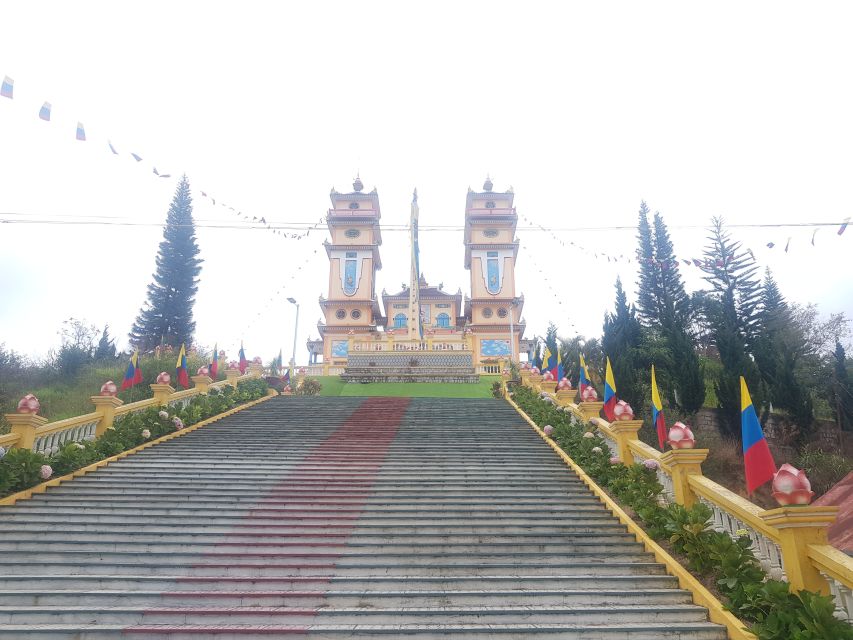
The railway station is one of the strongest architectural stops. Built in the 1930s, it has three pyramid-shaped roofs, often interpreted as a reference to the three peaks of Langbiang Mountain or to a communal house in the Central Highlands.
The station also connects to Da Lat’s unusual cog railway system. The cog railway is a notable piece of engineering associated with the city, and the station gives you a chance to see that history in place rather than only hearing about it. The visit lasts about 45 minutes.
If riding a train matters to you, tell the guide early. One guide adjusted the order of stops so a visitor could ride the train, showing why it is worth discussing your priorities before the day begins. The train ride is not listed as included, and availability is not guaranteed, so think of it as an optional extra rather than a promise of the tour.
The station is also a welcome change after several outdoor and religious stops. You can slow down, look at the structure, and take photographs without needing to manage a long walk.
Lam Vien Square and the end of the route
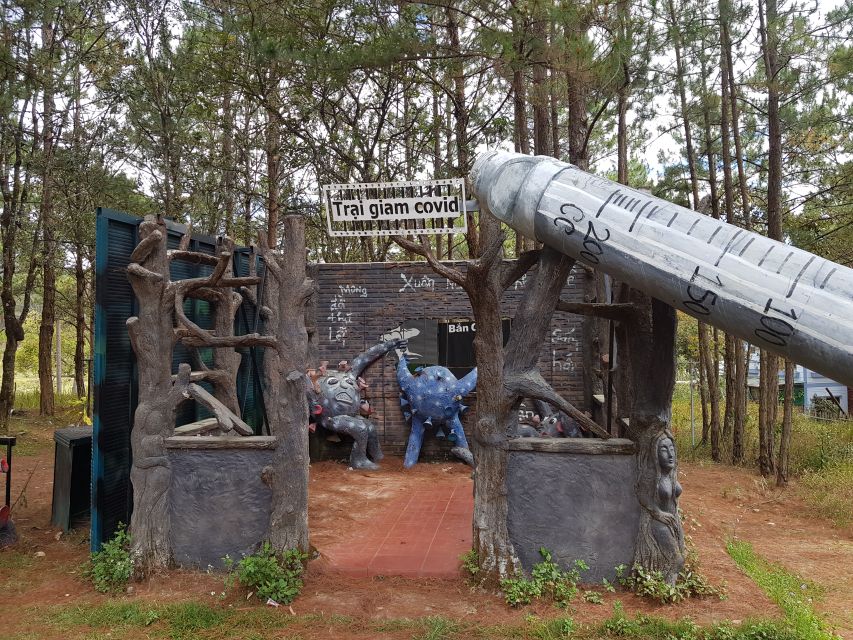
Lam Vien Square is the final sightseeing stop. It surrounds Xuan Huong Lake and is marked by two large artichoke towers and wild sunflower designs, both closely tied to Da Lat’s public image.
The square is more urban than the earlier stops. It gives you a final look at the city center and a chance to photograph the lakefront setting. The planned 30-minute visit is enough for a walk and pictures, though it is not meant to be a full evening in town.
After Lam Vien Square, you return to Da Lat and are dropped at your hotel or the agreed meeting point. Confirm the pickup address and time after booking, and wait in the hotel lobby at least 10 minutes before departure. Same-day bookings should be communicated by WhatsApp as soon as possible.
What the $38 price really covers
At $38 per person, this is good value if you want one organized day covering distant sights. The price includes an English-speaking guide, transportation by motorbike or car, fuel, helmets and safety gear, motorbike rental for the self-ride option, water, tissues, hotel pickup, and hotel drop-off.
The important extra costs are entrance tickets, personal spending, lunch, and soft drinks. Datanla’s roller coaster and any train ride also require separate attention. Your final cost will therefore be higher than $38, especially if you choose several paid attractions.
The value is strongest for first-time visitors with limited time. You are paying not only for transport but also for someone to connect the temples, colonial architecture, religious traditions, and modern attractions. It is less attractive if you already have transportation and want to spend most of the day at one place.
The activity has a 4.7 rating from 47 reviews, and the most consistent strengths are clear: careful motorcycle driving, friendly guides, strong local history explanations, flexible breaks, and help with photographs. That does not remove the need to confirm your vehicle choice and schedule, but it points to the human side of the experience as its main asset.
Who should book this Da Lat day tour?
I would recommend it to first-time visitors, couples, solo visitors, and families with older children who want to see a lot in one day. It suits you especially well if riding a motorcycle sounds fun but you do not want to plan routes between scattered sights.
It is also useful for anyone who wants cultural context. The schedule moves from Buddhist and Cao Dai sites to a Catholic-influenced mosaic pagoda, railway history, and Da Lat’s modern public spaces. Guides such as Hiep and Le have been particularly noted for explaining local history, including wartime context, while keeping the day relaxed.
I would think twice if you dislike motorcycles, need long quiet periods at each sight, or want a serious hiking day. The tour offers a waterfall visit, but it is not built around extended walking. It is a sightseeing circuit with short visits, road time, and several changes of subject.
Private groups are available, which may help if you want more control over breaks, lunch, photographs, or the order of stops. Free cancellation is available up to 24 hours before departure, and you can reserve now and pay later, which is useful when your Vietnam route is still changing.
Final decision
Book this tour if you want Da Lat’s major sights connected into one practical day, especially by motorbike. The combination of the Clay Tunnel, Datanla Waterfall, Truc Lam Monastery, Linh Phuoc Pagoda, Cao Dai Temple, railway station, and Lam Vien Square gives you a broad introduction with plenty of visual variety.
Skip it if your idea of a good day means lingering at one temple, hiking for hours, or avoiding all extra entrance fees. For most first-time visitors, though, the route is well chosen, the price is fair for the transport and guiding, and a careful local guide can turn a long list of stops into a memorable introduction to Da Lat.
FAQ
How long does the Da Lat tour last?
The activity lasts about 7.5 hours, with pickup and drop-off in Da Lat. Starting times depend on availability.
What transportation is used?
You can travel by motorcycle or by car or 4×4 vehicle. Helmets and other safety equipment are provided, and motorcycle rental is included for the self-ride option.
Are entrance fees included in the $38 price?
No. Entrance fees are separate. Personal expenses, lunch, soft drinks, and other costs not listed as included are also separate.
Which places does the tour visit?
The route includes the Clay Tunnel, Truc Lam Buddhist Monastery, Tuyen Lam Lake, Datanla Waterfall, Cao Dai Temple of Da Lat, Linh Phuoc Pagoda, Da Lat Railway Station, and Lam Vien Square.
Which languages are available for the guide?
Live guides are available in English, Vietnamese, French, and Chinese.
Is hotel pickup available?
Yes. Hotel pickup and drop-off are included, but you should provide your hotel name and address and confirm the pickup details before the tour. Wait in the hotel lobby at least 10 minutes before the agreed time.
Newest waterfall trips we have reviewed in Dalat
- Da Lat Full-day Tour with Langbiang Mountain, Datanla Waterfall, Crazy House★ 3.5 · 11 reviews
- VIP Dalat 3 waterfalls – Datanla, Elephant Pongour & Coffee Tour★ 5.0 · 8 reviews
- Dalat Waterfall Tour★ 5.0 · 9 reviews
- Vietnamese Culture: Phin-Making Tour Beyond Elephant Falls, Dalat★ 5.0 · 19 reviews
- Da Lat: Half-Day Morning – Clay Tunnel, Crazy House, Datanla Fall★ 5.0 · 43 reviews
- Da Lat Countryside & Pongour Waterfall Tours ( small group)★ 5.0 · 256 reviews
- Da Lat Easy Rider Group Waterfall Motorcycle Adventure★ 5.0 · 38 reviews
- Dalat Countryside with Pongour & Elephant waterfalls tour – 1Day★ 5.0 · 5 reviews
Da Lat Waterfall Tours, compared.
Da Lat Countryside Minivan Shared Tour (Three Waterfalls)
Read our review →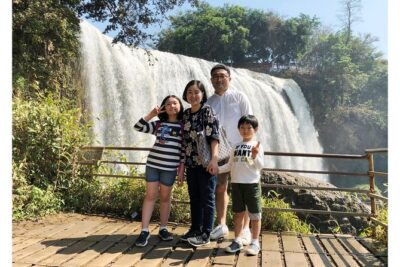
3 Waterfalls Tour (Datanla – Elephant – Pongour)
Read our review →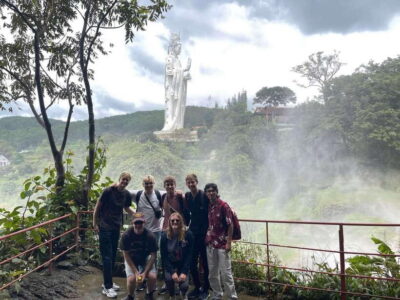
Dalat: Three Waterfalls Small Group Tour – Alpine Coaster
Read our review →
Dalat: 3 Waterfalls Day Tour — Datanla, Pongour & Elephant
Read our review →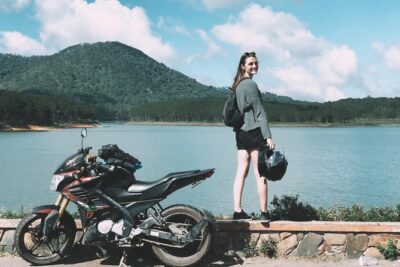
Da Lat’s Countryside & Waterfalls Day Tour by Motorbike
Read our review →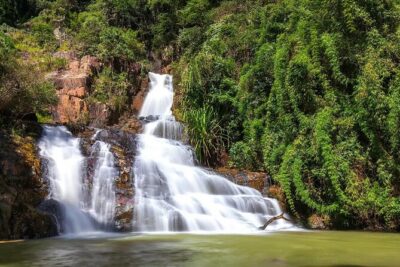
Dalat Top Tourists Sights – Waterfall & Go kart-Mario Kart
Read our review →
Dalat: Countryside Tour with Silk Village & Elephant Falls
Read our review →
Browse the lists this tour appears in